Last updated: August 30, 2026
Florida has one of the largest concentrations of cardiology practices in the country, which makes building an accurate, current list of interventional cardiologists both valuable and genuinely difficult. Recruiters, medical device sales teams, and healthcare marketers all run into the same problem: physician directories go stale fast, and contact details published online are often outdated by the time you use them.
This guide covers what interventional cardiologists actually do, why Florida’s healthcare landscape makes this specialty worth targeting, the practical obstacles to compiling reliable contact data, and how a purpose-built database like Heartbeat can shorten that process.
What’s on this page:
Get an Email List of Interventional Cardiologists in Florida from Heartbeat
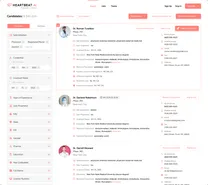
Heartbeat.ai maintains contact records for licensed healthcare professionals across the United States, including interventional cardiologists in Florida. You can apply filters to narrow results by location, specialty, and other criteria, then export or reach out directly.
Cardiology contact lists are rarely one-size-fits-all. Depending on your use case, you may need a different subset of the specialty:
- Non-invasive cardiologists who run diagnostic tests but do not perform invasive procedures themselves.
- Interventional cardiologists who perform catheter-based procedures such as angioplasty and stent placement.
- Electrophysiologists who focus on diagnosing and treating irregular heart rhythms.
- Cardiovascular surgeons who perform open cardiac surgery when catheter-based treatment isn’t an option.
Knowing which of these groups you actually need before you pull a list saves time and prevents wasted outreach to the wrong specialty.
Overview of the Cardiology Landscape in Florida
Florida’s healthcare system includes a large number of interventional cardiologists working across hospital systems and outpatient cardiac catheterization labs. Academic medical centers in the state, including Tampa General Hospital, run dedicated interventional cardiology programs offering services such as coronary angioplasty, stenting, and structural heart interventions. Tampa General’s interventional cardiology center, for example, performs more than 1,000 percutaneous coronary intervention procedures each year, which gives a sense of the procedure volume running through the state’s larger cardiac centers.
Facilities like this attract specialized physicians and support staff, which in turn expands the pool of interventional cardiologists practicing in the state. That density is exactly why Florida-specific contact data is useful for recruiters and vendors trying to reach this specialty efficiently, rather than sorting through a national list by hand.
Why Accurate Contact Information Matters
Outdated or incomplete contact data has real costs, and they show up differently depending on who’s using the list.
For recruiters, an old email or disconnected phone number means a candidate never sees an outreach message, or a hospital misses a partnership opportunity because the right person was never contacted. For medical device and pharma sales teams, inaccurate territory data wastes call time and skews pipeline reporting. For event organizers and professional associations, bad contact data means lower attendance and weaker engagement from the specialists you’re trying to reach.
None of this is medical advice territory — it’s a data quality problem, and it compounds the longer a list sits unused. Physician contact information changes as people move between practices, hospitals merge, and phone systems get replaced.
Why It’s Hard to Find a Current List of Interventional Cardiologists in Florida
A few structural issues make this specialty harder to track than it looks:
- High turnover in affiliations. Physicians move between hospital systems, private practices, and academic centers more often than static directories reflect.
- Privacy restrictions. Direct contact details, especially personal cell numbers and emails, aren’t published in most public directories.
- Fragmented sources. Hospital websites, state licensing boards, professional associations, and directories like Healthgrades each hold partial information, and none of them are complete on their own.
- Manual verification is slow. Cross-checking names against licensing status and current practice location takes time most teams don’t have.
Aggregated databases that pull from licensing records, public filings, and other verified sources can close some of these gaps faster than manual research, provided the underlying data is refreshed regularly rather than scraped once and left static.
What You Get with Heartbeat’s Interventional Cardiologist Contact Data
Heartbeat’s database is built to reduce the manual work described above by consolidating provider records into a searchable format. Instead of piecing together information from multiple sites, users can filter directly by specialty and state.
Each record typically includes:
- Interventional cardiologist name
- Location
- Contact numbers (work, cell, mobile)
- Email address
- Specialization
- Years of experience
- Sole proprietor status
- Licensed states
- License number
- Fax
- Address
 Accuracy & coverage of personal contact info were unrivaled by other platforms… this gives any healthcare recruiter a competitive advantage when engaging hard-to-reach healthcare providers.
Senior Growth Strategist






Interventional Cardiologist Lists by State
Browse contact data for interventional cardiologists in other states:
| Interventional cardiologists list by state |
|---|
| Interventional cardiologists list in Alabama |
| Interventional cardiologists list in Alaska |
| Interventional cardiologists list in Arizona |
| Interventional cardiologists list in Arkansas |
| Interventional cardiologists list in California |
| Interventional cardiologists list in Colorado |
| Interventional cardiologists list in Connecticut |
| Interventional cardiologists list in Delaware |
| Interventional cardiologists list in Florida |
| Interventional cardiologists list in Georgia |
| Interventional cardiologists list in Hawaii |
| Interventional cardiologists list in Idaho |
| Interventional cardiologists list in Illinois |
| Interventional cardiologists list in Indiana |
| Interventional cardiologists list in Iowa |
| Interventional cardiologists list in Kansas |
| Interventional cardiologists list in Kentucky |
| Interventional cardiologists list in Louisiana |
| Interventional cardiologists list in Maine |
| Interventional cardiologists list in Maryland |
| Interventional cardiologists list in Massachusetts |
| Interventional cardiologists list in Michigan |
| Interventional cardiologists list in Minnesota |
| Interventional cardiologists list in Mississippi |
| Interventional cardiologists list in Missouri |
| Interventional cardiologists list in Montana |
| Interventional cardiologists list in Nebraska |
| Interventional cardiologists list in Nevada |
| Interventional cardiologists list in New hampshire |
| Interventional cardiologists list in New jersey |
| Interventional cardiologists list in New mexico |
| Interventional cardiologists list in New york |
| Interventional cardiologists list in North carolina |
| Interventional cardiologists list in North dakota |
| Interventional cardiologists list in Ohio |
| Interventional cardiologists list in Oklahoma |
| Interventional cardiologists list in Oregon |
| Interventional cardiologists list in Pennsylvania |
| Interventional cardiologists list in Rhode island |
| Interventional cardiologists list in South carolina |
| Interventional cardiologists list in South dakota |
| Interventional cardiologists list in Tennessee |
| Interventional cardiologists list in Texas |
| Interventional cardiologists list in Utah |
| Interventional cardiologists list in Vermont |
| Interventional cardiologists list in Virginia |
| Interventional cardiologists list in Washington |
| Interventional cardiologists list in West virginia |
| Interventional cardiologists list in Wisconsin |
| Interventional cardiologists list in Wyoming |
How the Data Is Compiled
Heartbeat’s provider data draws from a mix of official, private, and public sources, then cross-references records to keep entries current as physicians change affiliations or locations. No aggregation method is perfect — phone numbers and emails can still lag behind a recent job change — so it’s worth spot-checking a sample of records against a hospital directory or state license lookup before running a large campaign.
Who Uses Interventional Cardiologist Contact Lists
The people pulling this kind of list vary by goal:
- Healthcare recruiters sourcing candidates for cath lab or cardiology department openings.
- Medical device and pharma sales teams building territory-based outreach.
- Conference and CME organizers inviting specialists to speak or attend.
- Researchers recruiting physician participants for studies.
- Healthcare marketing agencies running campaigns on behalf of hospital clients.
Anyone using this kind of data should stay within applicable privacy and communication regulations, including consent and opt-out requirements for email and phone outreach.
Using the List Effectively
A few practical habits separate outreach that gets a response from outreach that gets ignored or flagged as spam:
- Segment by sub-specialty first — an interventional cardiologist recruiter message is different from an electrophysiology device pitch.
- Keep messages short and specific about why you’re reaching out.
- Always include a clear opt-out or unsubscribe option.
- Verify licensing and current practice location before high-stakes outreach like recruiting.
- Refresh your list periodically rather than treating a single export as permanent.
Frequently Asked Questions
What is an interventional cardiologist?
An interventional cardiologist is a heart specialist trained to perform catheter-based procedures, such as angioplasty and stent placement, to treat cardiovascular conditions without open surgery.
Where can I find a list of interventional cardiologists in Florida?
Public directories such as Healthgrades, Zocdoc, and the American College of Cardiology’s physician finder list individual providers, though contact details are often limited. Aggregated databases like Heartbeat compile broader, more current contact data for recruiting and outreach purposes.
What conditions do interventional cardiologists treat?
Interventional cardiologists commonly treat coronary artery disease, heart attacks, heart valve disease, peripheral vascular disease, and structural heart abnormalities.