Last updated: August 30, 2026
Interventional cardiologists in Pennsylvania handle catheter-based diagnosis and treatment of coronary artery disease, structural heart problems, and related conditions. For recruiters, medical device and pharma sales teams, and healthcare marketers, reaching this specialty group depends on having contact records that are actually current — outdated phone numbers and old email addresses waste outreach budget and slow down hiring timelines.
This guide covers what accurate contact data means for outreach to this specialty, the practical obstacles to building a Pennsylvania-specific list, and what to expect from a vetted contact database like Heartbeat.
What’s on this page:
Get an Email List of Interventional Cardiologists in Pennsylvania from Heartbeat
Heartbeat.ai’s platform lets you search licensed healthcare professionals across the United States and apply filters — specialty, state, license status, and more — to build a targeted list quickly.
Interventional cardiology is not a single, uniform role. When building or buying a list, it helps to know which sub-groups you’re actually targeting:
- Adult interventional cardiologists: diagnose and treat cardiovascular disease in adult patients using catheter-based procedures.
- Pediatric interventional cardiologists: focus on cardiovascular conditions in children and adolescents.
- Non-invasive cardiologists: rely primarily on imaging and non-surgical diagnostic methods, with limited procedural work.
- Invasive, non-interventional cardiologists: perform diagnostic invasive tests and often refer patients on to interventional colleagues.
- Electrophysiologists: a related specialty focused on diagnosing and treating heart rhythm disorders.
Knowing which of these groups your campaign or recruitment effort actually needs helps narrow a list before you start dialing or emailing.
Pennsylvania’s Healthcare Landscape
Pennsylvania has a large, varied healthcare system that includes major academic medical centers such as the University of Pennsylvania Health System and Children’s Hospital of Philadelphia, alongside regional hospital networks and community practices. Interventional cardiologists practice across this mix of urban academic centers and smaller regional and rural facilities, which matters for outreach — a list skewed toward Philadelphia or Pittsburgh systems will miss a meaningful share of practicing cardiologists elsewhere in the state.
Why Accurate Contact Information Matters
Bad contact data has a direct cost. A few practical examples:
- Recruitment: Recruiters working from an outdated list spend hours confirming whether a provider still practices at a given facility before they can even make first contact.
- Vendor and pharma outreach: Device and pharmaceutical reps trying to schedule product demonstrations need a direct line, not a hospital switchboard number that routes through several transfers.
- Professional networking: Cardiologists collaborating on referrals or research need reliable ways to reach each other without going through administrative gatekeepers.
None of this is medical advice or a substitute for verifying a provider’s current credentials and standing — it’s about making outreach and recruitment workflows more efficient.
Why Finding a Pennsylvania-Specific List Is Hard
Building a comprehensive, current list of interventional cardiologists in one state runs into a few recurring problems:
- Fragmented records: Hospital systems, licensing boards, and specialty societies each keep their own data, and none of them is a single authoritative directory.
- Turnover and mobility: Physicians change practices, join new hospital systems, or relocate, and public directories often lag behind these moves.
- Privacy constraints: Personal contact details like cell numbers and direct emails aren’t published in public directories, for good reason, which limits what manual research can turn up.
Modern data platforms address this by pulling from many public and licensed sources — board certifications, hospital affiliations, license records — and reconciling them into a single, more current profile. That doesn’t eliminate the need for periodic re-verification, but it narrows the gap between what’s public and what’s usable for outreach.
What a Heartbeat Contact List Includes
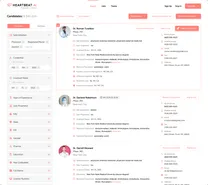
Heartbeat’s provider records are built to solve the two problems above: stale contact details and imprecise specialty targeting. A typical record includes:
- Interventional cardiologist name
- Location
- Contact numbers (work, cell, mobile)
- Email address
- Specialization
- Years of experience
- Sole proprietor status
- Licensed states
- License number
- Fax
- Address
Interventional Cardiologist Lists by State
Browse contact lists for interventional cardiologists in other states below.
| Interventional cardiologists list by states |
|---|
| Interventional cardiologists list in Alabama |
| Interventional cardiologists list in Alaska |
| Interventional cardiologists list in Arizona |
| Interventional cardiologists list in Arkansas |
| Interventional cardiologists list in California |
| Interventional cardiologists list in Colorado |
| Interventional cardiologists list in Connecticut |
| Interventional cardiologists list in Delaware |
| Interventional cardiologists list in Florida |
| Interventional cardiologists list in Georgia |
| Interventional cardiologists list in Hawaii |
| Interventional cardiologists list in Idaho |
| Interventional cardiologists list in Illinois |
| Interventional cardiologists list in Indiana |
| Interventional cardiologists list in Iowa |
| Interventional cardiologists list in Kansas |
| Interventional cardiologists list in Kentucky |
| Interventional cardiologists list in Louisiana |
| Interventional cardiologists list in Maine |
| Interventional cardiologists list in Maryland |
| Interventional cardiologists list in Massachusetts |
| Interventional cardiologists list in Michigan |
| Interventional cardiologists list in Minnesota |
| Interventional cardiologists list in Mississippi |
| Interventional cardiologists list in Missouri |
| Interventional cardiologists list in Montana |
| Interventional cardiologists list in Nebraska |
| Interventional cardiologists list in Nevada |
| Interventional cardiologists list in New hampshire |
| Interventional cardiologists list in New jersey |
| Interventional cardiologists list in New mexico |
| Interventional cardiologists list in New york |
| Interventional cardiologists list in North carolina |
| Interventional cardiologists list in North dakota |
| Interventional cardiologists list in Ohio |
| Interventional cardiologists list in Oklahoma |
| Interventional cardiologists list in Oregon |
| Interventional cardiologists list in Pennsylvania |
| Interventional cardiologists list in Rhode island |
| Interventional cardiologists list in South carolina |
| Interventional cardiologists list in South dakota |
| Interventional cardiologists list in Tennessee |
| Interventional cardiologists list in Texas |
| Interventional cardiologists list in Utah |
| Interventional cardiologists list in Vermont |
| Interventional cardiologists list in Virginia |
| Interventional cardiologists list in Washington |
| Interventional cardiologists list in West virginia |
| Interventional cardiologists list in Wisconsin |
| Interventional cardiologists list in Wyoming |
How Heartbeat Compiles Contact Data
Heartbeat pulls from a wide network of official, private, and public sources and cross-references them to keep provider records current rather than relying on a single static directory. Because contact data changes constantly as providers switch practices or update numbers, no dataset is ever perfectly complete — treating any purchased list as a starting point for verification, rather than a final answer, is the safer approach for both recruitment and marketing use cases.
A Practical Checklist Before You Buy a List
- Confirm the list can be filtered by state and by specific cardiology subspecialty, not just “cardiologist” broadly.
- Ask how frequently records are refreshed and what happens when a provider changes practices.
- Check whether the list includes both direct cell numbers and personal emails, since hospital switchboard numbers and generic inboxes rarely reach the individual physician.
- Plan for a verification step — a quick call or email confirmation — before large-scale outreach, since even well-maintained databases will have some outdated entries.
Who Uses This Kind of Contact List
Interventional cardiologist contact lists get used by a range of people: healthcare recruiters filling open positions, medical device and pharmaceutical sales teams scheduling product conversations, marketing teams promoting relevant services, and researchers or fellow physicians reaching out for collaboration. Anyone using this kind of list should stay within applicable privacy and consent rules — HIPAA governs patient health information, and general marketing consent laws still apply to unsolicited outreach.
Using the List Effectively
A few practices make outreach to this specialty more productive:
- Keep initial messages short and specific to the recipient’s subspecialty — a pediatric interventional cardiologist doesn’t need a pitch written for adult cardiology.
- Get consent before adding anyone to a recurring mailing list.
- Lead with something concrete and relevant, not a generic introduction.
- Respect that these are practicing clinicians with limited time between procedures and patient care.
Conclusion
Accurate, current contact data for interventional cardiologists in Pennsylvania makes recruitment, vendor outreach, and professional networking measurably more efficient — but no single free directory captures the full, up-to-date picture. A maintained database like Heartbeat’s, combined with a habit of periodic verification, is a practical way to close that gap.
Frequently Asked Questions
What is an interventional cardiologist?
Interventional cardiologists are heart specialists who diagnose and treat cardiovascular conditions using minimally invasive, catheter-based procedures.
Where can I find a list of interventional cardiologists in Pennsylvania?
Medical directories, hospital system websites, specialty society databases, and insurance provider directories are common starting points; maintained contact databases like Heartbeat consolidate this information for outreach purposes.
What procedures do interventional cardiologists perform?
Common procedures include angioplasty, stenting, and cardiac catheterization, among other minimally invasive techniques used to diagnose and treat heart conditions.
What qualifications do interventional cardiologists hold?
They complete medical school, an internal medicine residency, and additional fellowship training in interventional cardiology, along with board certification in cardiology.