Last updated: August 31, 2026
Interventional cardiologists in Vermont perform catheter-based procedures for coronary artery disease, structural heart conditions, and related cardiovascular issues. For recruiters, medical device and pharma teams, and healthcare marketers, finding accurate contact details for this specialist group is often harder than it should be given Vermont’s small population and limited number of practicing specialists.
This guide covers what to look for in a contact list, the practical challenges of sourcing this data in a low-density state like Vermont, and how a data provider like Heartbeat.ai fits into an outreach workflow.
What’s on this page:
Vermont’s Healthcare Landscape for Cardiac Care
Vermont’s healthcare system is anchored by a small number of major facilities rather than a large network of competing hospitals. The University of Vermont Medical Center and Rutland Regional Medical Center are among the state’s key institutions supporting cardiovascular care, and both play a role in coordinating specialist referrals across the state.
Because Vermont is one of the least populous states, the total number of interventional cardiologists practicing there is small compared to states like Massachusetts or New York. This has a direct effect on list-building: there simply isn’t a large volume of contacts to work with, so accuracy and freshness of each individual record matter more than volume.
Why Accurate Contact Data Matters
Outdated or incorrect contact information wastes time on both sides of an outreach effort. A few practical scenarios where this shows up:
- Recruiting: Health systems and staffing firms trying to fill an interventional cardiology role need a direct line to candidates, not a front-desk number that goes into a general queue.
- Device and pharma sales: Reps introducing new catheterization equipment, stents, or cardiac medications need to reach the physicians actually making purchasing or prescribing decisions.
- Conference and CME outreach: Event organizers inviting specialists to speak or attend need working emails, since generic hospital inboxes rarely forward personal invitations.
- Research and referral networking: Colleagues coordinating on patient referrals or clinical collaboration benefit from having a direct, current contact rather than relying on outdated directory listings.
Why Sourcing This Data in Vermont Is Harder Than in Larger States
A few factors make Vermont a tougher state for building an accurate specialist list:
- Small specialist pool: Fewer interventional cardiologists means less redundancy if one contact record goes stale.
- Turnover and relocation: Career moves, retirements, and affiliation changes can make a list obsolete within months.
- Privacy restrictions: Confidentiality agreements and institutional policy often limit what direct contact details hospitals will publish.
- Rural geography: Many providers are affiliated with a handful of regional centers rather than independent practices, which changes how contact information gets published and updated.
General-purpose directories, such as the American Medical Association’s physician lookup tools, can confirm licensure and basic practice information but typically don’t include direct cell numbers or personal emails. Professional networks like LinkedIn can help identify a specialist but usually require a separate step to find a usable contact method.
What a Heartbeat.ai Contact Record Typically Includes
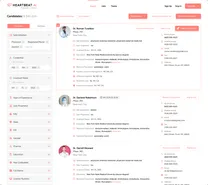
Heartbeat.ai’s database is built to fill the gap between basic directory listings and outreach-ready contact information. A typical record includes:
- Name
- Location
- Contact numbers (work, cell, mobile)
- Email address
- Specialization
- Years of experience
- Sole proprietor status
- Licensed states
- License number
- Fax
- Address
Interventional Cardiologist Lists by State
Browse available state-level lists below.
| Interventional cardiologists list by states |
|---|
| Interventional cardiologists list in Alabama |
| Interventional cardiologists list in Alaska |
| Interventional cardiologists list in Arizona |
| Interventional cardiologists list in Arkansas |
| Interventional cardiologists list in California |
| Interventional cardiologists list in Colorado |
| Interventional cardiologists list in Connecticut |
| Interventional cardiologists list in Delaware |
| Interventional cardiologists list in Florida |
| Interventional cardiologists list in Georgia |
| Interventional cardiologists list in Hawaii |
| Interventional cardiologists list in Idaho |
| Interventional cardiologists list in Illinois |
| Interventional cardiologists list in Indiana |
| Interventional cardiologists list in Iowa |
| Interventional cardiologists list in Kansas |
| Interventional cardiologists list in Kentucky |
| Interventional cardiologists list in Louisiana |
| Interventional cardiologists list in Maine |
| Interventional cardiologists list in Maryland |
| Interventional cardiologists list in Massachusetts |
| Interventional cardiologists list in Michigan |
| Interventional cardiologists list in Minnesota |
| Interventional cardiologists list in Mississippi |
| Interventional cardiologists list in Missouri |
| Interventional cardiologists list in Montana |
| Interventional cardiologists list in Nebraska |
| Interventional cardiologists list in Nevada |
| Interventional cardiologists list in New hampshire |
| Interventional cardiologists list in New jersey |
| Interventional cardiologists list in New mexico |
| Interventional cardiologists list in New york |
| Interventional cardiologists list in North carolina |
| Interventional cardiologists list in North dakota |
| Interventional cardiologists list in Ohio |
| Interventional cardiologists list in Oklahoma |
| Interventional cardiologists list in Oregon |
| Interventional cardiologists list in Pennsylvania |
| Interventional cardiologists list in Rhode island |
| Interventional cardiologists list in South carolina |
| Interventional cardiologists list in South dakota |
| Interventional cardiologists list in Tennessee |
| Interventional cardiologists list in Texas |
| Interventional cardiologists list in Utah |
| Interventional cardiologists list in Vermont |
| Interventional cardiologists list in Virginia |
| Interventional cardiologists list in Washington |
| Interventional cardiologists list in West virginia |
| Interventional cardiologists list in Wisconsin |
| Interventional cardiologists list in Wyoming |
How This Data Is Compiled
Heartbeat.ai builds its provider database by cross-referencing information from over 200 official, public, and private sources, then applies predictive modeling to fill gaps where a direct contact detail isn’t publicly listed. According to Heartbeat, this approach has produced a database covering millions of U.S. healthcare professionals, including direct cell numbers and personal email addresses, with reported prediction accuracy rates in the 80s and 90s percent range for cell numbers and emails respectively. These figures come from the vendor and should be treated as vendor-reported rather than independently audited.
Who Uses These Contact Lists
Typical users include HR and recruiting teams filling clinical roles, medical device and pharmaceutical sales reps, conference and CME organizers, and researchers coordinating with specialists across institutions. Any use of purchased contact data should comply with applicable privacy regulations and anti-spam laws, including opt-out mechanisms for email outreach.
A Practical Checklist Before Using a Contact List
- Confirm the list is filtered to the correct specialty and state before purchase, since interventional cardiology overlaps with general cardiology in many directories.
- Ask how frequently the underlying data is refreshed, especially for a low-turnover state like Vermont where a single retirement can meaningfully shrink an already small list.
- Cross-check a sample of records against a hospital’s public staff directory before a large outreach campaign.
- Keep messaging brief, relevant, and professional; cardiologists have limited time for unsolicited contact.
- Track response and bounce rates so you can flag stale records back to your data provider.
Conclusion
Vermont’s small number of practicing interventional cardiologists makes precision more important than volume when building a contact list. A data provider that combines multiple sourcing methods and regular refresh cycles, used alongside basic verification steps on your end, gives recruiters, sales teams, and event organizers a workable path to reaching this specialist group directly.
Frequently Asked Questions
What is interventional cardiology?
Interventional cardiology is a branch of cardiology focused on catheter-based, minimally invasive procedures to diagnose and treat cardiovascular disease.
How can I find interventional cardiologists in Vermont?
Hospital staff directories, state medical board lookups, and specialized contact databases are the main starting points; each has different strengths in terms of completeness and how current the information is.
Why is Vermont harder to source contact data for than larger states?
Vermont has a smaller overall pool of interventional cardiologists concentrated around a handful of major medical centers, so any single retirement, relocation, or affiliation change has a proportionally larger effect on list accuracy.