What’s on this page:
Key takeaways
- Hospital decision-making roles can vary by organization and by the decision being made.
- A useful outreach list may include both executive and department-level contacts.
- Verify high-value contact details before relying on them for a major campaign.
- Ask data vendors how often records are updated and what validation steps they use.
- Check applicable privacy and communication requirements before contacting people.
Last updated: August 30, 2026
California has a large, fragmented hospital system, which can make building a reliable contact list of hospital decision-makers challenging. Titles change, mergers happen, and a name that was accurate six months ago may already belong to someone else. This guide covers what a hospital decision-makers list includes, why contact accuracy matters, and how Heartbeat.ai describes its approach.
Get a Hospital Decision-Makers Email List from Heartbeat
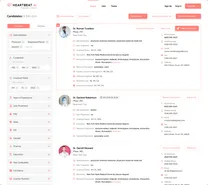
Heartbeat.ai says its platform lets users search healthcare professionals across the United States and filter for roles and locations relevant to California hospitals. The platform is presented as a way to find contact details without relying solely on manual research.
Heartbeat.ai’s hospital decision-makers list is organized around roles that may influence purchasing, hiring, and partnership decisions, including Chief Executive Officers, Chief Financial Officers, Chief Information Officers, Chief Medical Officers, and Administrative Directors. The people involved in approvals vary by hospital and decision.
Below the C-suite, the list also covers department-level roles such as Directors of Nursing, Directors of Surgery, Radiology Managers, and Laboratory Managers. These contacts may influence decisions within their departments, making them relevant for outreach about department-specific products or services.
The list also includes functional leaders such as Pharmacy Directors and Human Resource Directors. Their responsibilities may be relevant to outreach about pharmacy supply chains or workforce tools.
Whether you’re introducing a new hospital to your business for the first time or expanding an existing relationship, matching your outreach to the right title inside the organization tends to matter more than the volume of contacts you have.
California’s Hospital Landscape at a Glance
California has hundreds of hospitals, ranging from large academic medical centers to small rural facilities.
Academic systems such as UC Davis Health and UCLA Health combine patient care with teaching and research, so their decision-making may involve both clinical and academic leadership. Large health systems such as Kaiser Permanente and Cedars-Sinai operate at a different scale from many community and district hospitals. Community and district hospitals also serve local care needs and may have leaner decision-making teams. Structures vary by organization, so verify the relevant roles before outreach.
This mix matters when building outreach lists: a pitch suited to a large academic system’s procurement process may not translate to a smaller rural hospital, where leaders may have broader responsibilities.
Why Contact Accuracy Matters More Than It Seems
Outdated contact information doesn’t just waste an email send — it costs real time. In healthcare recruitment specifically, a message that never reaches the right inbox can mean losing a candidate to a competing offer before you even get a response.
Accurate contacts can also support routine business needs, such as following up on a service issue or reaching a department head about a partnership. In networking, a working phone number or email may help start a conversation instead of relying on a general hospital switchboard.
Bad data can waste time and outreach budget. Invalid or misdirected email addresses may also affect sender reputation, so verify important contacts and use sound email practices.
Why Finding Accurate Lists Is Harder in California
A few factors make California specifically difficult:
- Scale: with hundreds of facilities statewide, manually tracking leadership changes across even a fraction of them is impractical.
- Personnel turnover: healthcare executive roles change more frequently than public directories are updated.
- Privacy and confidentiality rules: not all contact information is publicly listed, and data protection laws limit how it can be collected and used.
- Fragmented ownership: a mix of academic, non-profit, for-profit, and public hospital systems means no single directory covers everyone.
Technology can help manage some of these gaps. Some data tools combine information from public and licensed sources, while database systems can help filter contacts by role or department. Providers may also offer record validation or CRM integration. These features vary, so ask vendors how their data is collected, updated, and checked.
What’s Included in Heartbeat’s Hospital Decision-Makers Data
Heartbeat.ai says its database draws on official, private, and public sources and is intended to reduce manual research when building a hospital outreach list. A contact record may include:
- Name
- Location
- Contact numbers (work, cell, mobile)
- Email address
- Specialization
- Years of experience
- Sole proprietor status
- Licensed states
- License number
- Fax
- Address
Hospital Decision-Makers Lists by State
Explore state-specific hospital decision-maker contact lists below.
| Hospital decision makers lists by states |
|---|
| Hospital decision makers lists in Alabama |
| Hospital decision makers lists in Alaska |
| Hospital decision makers lists in Arizona |
| Hospital decision makers lists in Arkansas |
| Hospital decision makers lists in California |
| Hospital decision makers lists in Colorado |
| Hospital decision makers lists in Connecticut |
| Hospital decision makers lists in Delaware |
| Hospital decision makers lists in Florida |
| Hospital decision makers lists in Georgia |
| Hospital decision makers lists in Hawaii |
| Hospital decision makers lists in Idaho |
| Hospital decision makers lists in Illinois |
| Hospital decision makers lists in Indiana |
| Hospital decision makers lists in Iowa |
| Hospital decision makers lists in Kansas |
| Hospital decision makers lists in Kentucky |
| Hospital decision makers lists in Louisiana |
| Hospital decision makers lists in Maine |
| Hospital decision makers lists in Maryland |
| Hospital decision makers lists in Massachusetts |
| Hospital decision makers lists in Michigan |
| Hospital decision makers lists in Minnesota |
| Hospital decision makers lists in Mississippi |
| Hospital decision makers lists in Missouri |
| Hospital decision makers lists in Montana |
| Hospital decision makers lists in Nebraska |
| Hospital decision makers lists in Nevada |
| Hospital decision makers lists in New hampshire |
| Hospital decision makers lists in New jersey |
| Hospital decision makers lists in New mexico |
| Hospital decision makers lists in New york |
| Hospital decision makers lists in North carolina |
| Hospital decision makers lists in North dakota |
| Hospital decision makers lists in Ohio |
| Hospital decision makers lists in Oklahoma |
| Hospital decision makers lists in Oregon |
| Hospital decision makers lists in Pennsylvania |
| Hospital decision makers lists in Rhode island |
| Hospital decision makers lists in South carolina |
| Hospital decision makers lists in South dakota |
| Hospital decision makers lists in Tennessee |
| Hospital decision makers lists in Texas |
| Hospital decision makers lists in Utah |
| Hospital decision makers lists in Vermont |
| Hospital decision makers lists in Virginia |
| Hospital decision makers lists in Washington |
| Hospital decision makers lists in West virginia |
| Hospital decision makers lists in Wisconsin |
| Hospital decision makers lists in Wyoming |
How the Data Gets Compiled
Heartbeat.ai says it builds its healthcare provider database from official, private, and public sources. Records may include direct phone numbers and personal email addresses as well as standard work listings. Ask the provider how these details are sourced, updated, and validated before relying on them for outreach.
No provider can guarantee perfect accuracy on every record — healthcare staffing changes too often for that. What matters in practice is how quickly a database refreshes and how it’s validated before it reaches you. Ask any data vendor, including Heartbeat, how frequently records are updated and what verification steps are applied before you rely on a list for a time-sensitive campaign.
A Quick Checklist Before You Buy a List
- Confirm how recently the data was refreshed and how often updates happen.
- Check whether the list includes both cell numbers and emails, or only one channel.
- Verify the list can be filtered by title, department, and facility type, not just by state.
- Ask what percentage of records include direct contact details versus general hospital lines.
- Make sure your outreach plan complies with applicable data privacy and telemarketing regulations before you start dialing or emailing.
Who Uses These Lists
Potential users of hospital decision-maker contact lists include marketing teams, recruiters, sales representatives, and researchers. Medical device and software companies may use them to identify purchasing contacts; staffing firms may use them to reach clinical and administrative leaders; and non-profits or advocacy groups may use them for campaigns aimed at health system leadership.
Whatever the use case, outreach should stay within applicable data privacy laws and professional communication norms — this is a business tool, not a substitute for verified credentialing or legal compliance checks.
Making Outreach Actually Land
Having the right contact is only step one. These practices may help make outreach more relevant once you have a list:
- Match your message to the recipient’s role — a pitch to a CFO should look different from one to a Director of Nursing.
- Keep initial outreach short; hospital decision-makers are typically working under tight time constraints.
- Avoid heavy medical jargon unless you’re writing to a clinical specialist who expects it.
- Follow up once or twice, but don’t over-email — hospital inboxes are already crowded.
Bottom Line
Building a hospital decision-makers list for California means accounting for a large, fragmented market where titles change and not every contact is publicly listed. Heartbeat.ai says it consolidates multiple data sources into a searchable database to reduce manual research. No list stays perfectly current forever, so verify high-value contacts before major outreach and keep your own records updated.
Frequently Asked Questions
What is a hospital decision-makers list?
A hospital decision-makers list is a compilation of contact information for people with the authority to make purchasing, hiring, or partnership decisions at hospitals — such as executives, department heads, and administrative directors — in California.
Why is having a hospital decision-makers list important?
It lets businesses and organizations reach the specific people responsible for a decision rather than routing through a general hospital line, which speeds up both sales and recruitment processes.
Where can I find hospital decision-makers lists in California?
Specialized data providers, including Heartbeat.ai, compile and maintain these lists. Some professional associations and industry directories also offer partial access, though coverage and update frequency vary widely.