What’s on this page:
Key takeaways
- Provider contact details and hospital affiliations can change, so verify important information before outreach.
- Heartbeat’s database can be filtered by specialty, location, or credential, and records may include phone numbers, mailing addresses, and email contacts.
- The article describes neurosurgical services in Mississippi as geographically concentrated, making referral and outreach planning important.
- Segment outreach by subspecialty and use a concise message tailored to the intended audience.
- Follow applicable privacy and communication rules when contacting healthcare professionals.
Last updated: August 30, 2026
Neurosurgeons are a specialized group within Mississippi’s healthcare workforce, and finding the right contacts can take extra effort. Job titles, hospital affiliations, and contact details can change, so generic directories may not always be current.
For recruiters staffing a hospital system, device or pharma reps building territory lists, or researchers looking to connect with specialists, outdated contact information can mean wasted outreach and missed opportunities. This article covers Mississippi’s neurosurgery landscape, why accurate contact data matters, and how a service like Heartbeat’s contact database may fit into that workflow.
Get the Best Email List of Neurosurgeons in Mississippi from Heartbeat
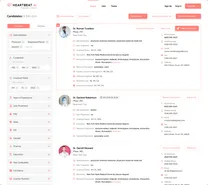
Heartbeat.ai’s database lets you search licensed healthcare professionals across the United States and filter down to the specific specialty, location, or credential you need. For neurosurgeons in Mississippi, that includes general neurosurgeons, pediatric neurosurgeons, spine and vascular specialists, functional neurosurgeons, neuro-oncologists, and skull base surgeons.
Records may include phone numbers, mailing addresses, and email contacts, so outreach may not depend on a single channel. Browse the available lists on the Heartbeat.ai site, filter to the specialty and state you need, and reach out to the team if you have a more specific request than the standard filters cover.
Neurosurgery Care in Mississippi: A Brief Overview
Mississippi has a limited number of neurosurgical providers relative to its population, and most of them practice out of a handful of hospital systems. The University of Mississippi Medical Center in Jackson operates the state’s only academic medical center and, according to UMMC, as part of the state’s only academic medical center, offers the only Level 1 trauma center, Level 4 epilepsy center, multidisciplinary neuroendocrine tumor service and pediatric neurosurgery services in the state. UMMC’s neurosurgery faculty covers subspecialties including cerebrovascular disease, neuro-oncology, pediatric neurosurgery, skull base, spinal disease, and neurotrauma.
Other facilities, including North Mississippi Health Services and St. Dominic’s Jackson Memorial Hospital, provide neurological and surgical services outside the Jackson metro area. Mississippi’s rural geography can make access to specialized care and provider outreach more challenging, particularly where services are concentrated in urban centers.
Why Accurate Contact Data Matters More for a Specialty This Small
When the pool of qualified specialists in a subspecialty is small, one incorrect phone number or expired email address can affect a meaningful share of your potential audience. That matters for recruiters and marketers working in this niche.
- Recruitment: A single missed connection with a fellowship-trained neurosurgeon can mean months of delay filling a critical role, especially in a state with a documented shortage of specialists.
- Referral networks: Surgeons who can’t be reached efficiently are less likely to be included in cross-referral relationships, which affects patient access to specialized care in underserved regions.
- Vendor and device outreach: Sales and marketing teams targeting a small provider pool need every contact to count; low deliverability rates compound quickly when the total universe of prospects is small.
Common Obstacles to Finding Neurosurgeons in Mississippi
A few recurring problems show up when sourcing neurosurgeon contacts in this state:
- Geographic concentration: Most specialists practice in or near Jackson, leaving large rural areas without a local point of contact, which pushes outreach toward hospital switchboards rather than direct lines.
- Small provider pool: With few active neurosurgeons statewide, standard directories often list outdated affiliations or physicians who have since relocated or retired.
- Fragmented public data: Licensing boards, hospital directories, and NPI registries each hold a partial picture; none function as a single source of truth for current contact details.
Telehealth consultations may help patients and referring physicians connect with specialists without an in-person visit for an initial consultation, where available and appropriate. For recruitment and marketing, a maintained contact database can provide one searchable resource for information drawn from multiple records, but its details should be checked before important outreach.
What’s Included in a Heartbeat Neurosurgeons Contact List
Each record in Heartbeat’s neurosurgeon list is built to support both clinical outreach and business development use cases. Typical fields include:
- Neurosurgeon’s name
- Location
- Contact numbers (work, cell, mobile)
- Email address
- Specialization
- Years of experience
- Sole proprietor status
- Licensed states
- License number
- Fax
- Address
Available Neurosurgeons in Our Contact List by State
Heartbeat maintains neurosurgeon contact lists for states across the U.S. Use the table below to find a specific state’s list.
| Neurosurgeons by states |
|---|
| Neurosurgeons in Alabama |
| Neurosurgeons in Alaska |
| Neurosurgeons in Arizona |
| Neurosurgeons in Arkansas |
| Neurosurgeons in California |
| Neurosurgeons in Colorado |
| Neurosurgeons in Connecticut |
| Neurosurgeons in Delaware |
| Neurosurgeons in Florida |
| Neurosurgeons in Georgia |
| Neurosurgeons in Hawaii |
| Neurosurgeons in Idaho |
| Neurosurgeons in Illinois |
| Neurosurgeons in Indiana |
| Neurosurgeons in Iowa |
| Neurosurgeons in Kansas |
| Neurosurgeons in Kentucky |
| Neurosurgeons in Louisiana |
| Neurosurgeons in Maine |
| Neurosurgeons in Maryland |
| Neurosurgeons in Massachusetts |
| Neurosurgeons in Michigan |
| Neurosurgeons in Minnesota |
| Neurosurgeons in Mississippi |
| Neurosurgeons in Missouri |
| Neurosurgeons in Montana |
| Neurosurgeons in Nebraska |
| Neurosurgeons in Nevada |
| Neurosurgeons in New hampshire |
| Neurosurgeons in New jersey |
| Neurosurgeons in New mexico |
| Neurosurgeons in New york |
| Neurosurgeons in North carolina |
| Neurosurgeons in North dakota |
| Neurosurgeons in Ohio |
| Neurosurgeons in Oklahoma |
| Neurosurgeons in Oregon |
| Neurosurgeons in Pennsylvania |
| Neurosurgeons in Rhode island |
| Neurosurgeons in South carolina |
| Neurosurgeons in South dakota |
| Neurosurgeons in Tennessee |
| Neurosurgeons in Texas |
| Neurosurgeons in Utah |
| Neurosurgeons in Vermont |
| Neurosurgeons in Virginia |
| Neurosurgeons in Washington |
| Neurosurgeons in West virginia |
| Neurosurgeons in Wisconsin |
| Neurosurgeons in Wyoming |
How Heartbeat Compiles Its Neurosurgeon Contact Data
Heartbeat says its database draws on official, private, and public sources to build and maintain healthcare-provider contact records nationwide. The goal is to give recruiters and outreach teams a searchable resource rather than requiring them to assemble information from licensing boards, hospital directories, and other listings. Confirm the availability and permitted use of specific contact fields, especially personal email addresses and cell phone numbers, before outreach.
Heartbeat says predictive modeling helps fill gaps where public records are incomplete. No contact database can guarantee 100% accuracy for every record, so verifying a critical contact before time-sensitive outreach, such as a final recruitment offer, is good practice.
Who Uses a Neurosurgeon Contact List
These lists get used by a range of teams, not just recruiters. Hospital HR and physician recruiters use them to source and vet candidates for open positions. Medical device and pharmaceutical sales teams use them to build territory outreach lists. Marketing teams promoting continuing education, conferences, or clinical products target relevant specialists directly. Nonprofit health organizations use similar data for fundraising or awareness campaigns aimed at physician audiences.
How to Use a Neurosurgeon Contact List Without Wasting It
A good contact list only pays off if the outreach around it is disciplined. A few practical guidelines:
- Segment by subspecialty before you reach out. A pediatric neurosurgeon and a spine specialist have different priorities; a generic message to both reads as noise.
- Keep initial messages short. Neurosurgeons have limited time between cases and clinic hours; a concise, specific ask gets a better response rate than a long pitch.
- Use the channel that matches the intent. Time-sensitive recruitment conversations usually warrant a phone call; informational or promotional outreach is better suited to email.
- Respect response timelines. Following up once after a reasonable interval is normal; repeated unsolicited contact is not.
- Stay within applicable privacy and communication regulations when contacting healthcare professionals, particularly for any commercial email or text outreach.
Limitations to Keep in Mind
No contact database, including Heartbeat’s, replaces direct verification for high-stakes use cases such as final job offers or credentialing. Contact details can change when a provider relocates or changes hospital affiliation, so cross-checking recent listings before a major outreach campaign is worthwhile.
Frequently Asked Questions
What qualifications do neurosurgeons in Mississippi typically have?
Neurosurgeons practicing in Mississippi typically complete medical school followed by a neurosurgery residency, and many pursue additional fellowship training in a subspecialty such as pediatric, spine, or vascular neurosurgery.
How can I find a reputable neurosurgeon in Mississippi?
Start with referrals from a primary care physician, check hospital system directories such as UMMC’s, and review board certification status before scheduling a consultation.
What common conditions do neurosurgeons in Mississippi treat?
Neurosurgeons in the state commonly treat brain tumors, spinal cord injuries, epilepsy, and herniated discs, among other neurological and spinal conditions.
Do neurosurgeons in Mississippi accept insurance?
Most do, but coverage varies by provider and plan, so it’s best to verify directly with the practice and your insurance carrier before scheduling care.