Last updated: August 31, 2026
Finding a reliable way to reach neurosurgeons in California is a recurring problem for healthcare recruiters, medical device and pharma sales teams, and researchers running outreach campaigns. Public directories often list outdated phone numbers or generic hospital switchboard lines instead of direct contact details, which slows down hiring and business development work.
This guide covers what an accurate neurosurgeon contact list should include, why direct contact data matters more than general directory listings, the practical challenges of reaching specialists in a large state like California, and how Heartbeat’s database approaches this problem.
What’s on this page:
Get an Email List of Neurosurgeons in California from Heartbeat
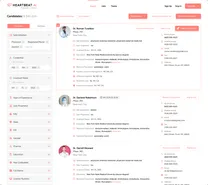
Heartbeat.ai’s platform lets you search for licensed healthcare professionals across the United States, including neurosurgeons, using filters for specialty, location, and other criteria to narrow down the right contacts quickly.
Neurosurgery is not one uniform specialty. The database is organized by sub-specialty, covering pediatric neurosurgeons, spine neurosurgeons, skull base neurosurgeons, neuro-oncologists, and other focus areas, so outreach can be targeted to the right kind of practitioner rather than a generic list.
You can browse the platform directly at Heartbeat.ai to see current filters and coverage for California.
Healthcare in California: A Quick Overview
California has one of the largest and most complex healthcare systems in the country, with major academic medical centers such as Stanford Health Care and UCSF Medical Center supporting neurosurgical research and treatment. These institutions also play a role in training new neurosurgeons and extending specialist access into underserved parts of the state.
Given the state’s size and population density differences between urban centers and rural counties, contact data that’s actually current matters more here than in smaller states — a neurosurgeon’s practice location or affiliation can change without directories catching up.
Why Accurate Contact Information Matters
There are a few distinct use cases where getting this right has real consequences:
- Patient care coordination: consistent, direct communication supports follow-up care and reduces delays during time-sensitive situations.
- Recruitment: hospitals and practices filling neurosurgery positions need to reach qualified candidates directly rather than through slow institutional channels, which shortens time-to-hire.
- Professional networking: neurosurgeons who stay connected with peers are better positioned to keep up with new techniques and research developments in their field.
Challenges in Reaching Neurosurgeons in California
A few practical obstacles come up repeatedly when trying to build outreach lists for this specialty:
- Geographic distribution: rural and lower-income areas of California tend to have fewer neurosurgeons nearby, making direct outreach and referral networks more important than in urban centers.
- Workforce demographics: as more neurosurgeons approach retirement age, the pool of active practitioners in some regions may tighten, which affects both hiring timelines and patient access.
- Directory decay: hospital staff directories and public listings go stale quickly as physicians change affiliations, making manual list-building unreliable over time.
Consolidated, regularly refreshed databases and telehealth-enabled outreach can help close some of these gaps by giving recruiters and referral coordinators a clearer, more current picture of who’s practicing where.
What’s Included in Heartbeat’s Neurosurgeon Contact Lists
Heartbeat’s database is built to reduce the manual work of tracking down verified contact details for healthcare providers. A typical neurosurgeon profile includes:
- Neurosurgeon’s name
- Location
- Contact numbers (work, cell, mobile)
- Email address
- Specialization
- Years of experience
- Sole proprietor status
- Licensed states
- License number
- Fax
- Address
Neurosurgeons Available by State
Browse comparable contact lists for neurosurgeons in other states below.
| Neurosurgeons by states |
|---|
| Neurosurgeons in Alabama |
| Neurosurgeons in Alaska |
| Neurosurgeons in Arizona |
| Neurosurgeons in Arkansas |
| Neurosurgeons in California |
| Neurosurgeons in Colorado |
| Neurosurgeons in Connecticut |
| Neurosurgeons in Delaware |
| Neurosurgeons in Florida |
| Neurosurgeons in Georgia |
| Neurosurgeons in Hawaii |
| Neurosurgeons in Idaho |
| Neurosurgeons in Illinois |
| Neurosurgeons in Indiana |
| Neurosurgeons in Iowa |
| Neurosurgeons in Kansas |
| Neurosurgeons in Kentucky |
| Neurosurgeons in Louisiana |
| Neurosurgeons in Maine |
| Neurosurgeons in Maryland |
| Neurosurgeons in Massachusetts |
| Neurosurgeons in Michigan |
| Neurosurgeons in Minnesota |
| Neurosurgeons in Mississippi |
| Neurosurgeons in Missouri |
| Neurosurgeons in Montana |
| Neurosurgeons in Nebraska |
| Neurosurgeons in Nevada |
| Neurosurgeons in New hampshire |
| Neurosurgeons in New jersey |
| Neurosurgeons in New mexico |
| Neurosurgeons in New york |
| Neurosurgeons in North carolina |
| Neurosurgeons in North dakota |
| Neurosurgeons in Ohio |
| Neurosurgeons in Oklahoma |
| Neurosurgeons in Oregon |
| Neurosurgeons in Pennsylvania |
| Neurosurgeons in Rhode island |
| Neurosurgeons in South carolina |
| Neurosurgeons in South dakota |
| Neurosurgeons in Tennessee |
| Neurosurgeons in Texas |
| Neurosurgeons in Utah |
| Neurosurgeons in Vermont |
| Neurosurgeons in Virginia |
| Neurosurgeons in Washington |
| Neurosurgeons in West virginia |
| Neurosurgeons in Wisconsin |
| Neurosurgeons in Wyoming |
How Heartbeat Builds Its Neurosurgeon Contact Data
Heartbeat aggregates provider information from a wide range of official, private, and public sources, then applies predictive modeling to fill in contact details where public records are incomplete. The goal is to keep the dataset current as physicians change practices, move locations, or update credentials, rather than relying on a static snapshot that goes stale within months.
No contact database is perfect. Predictive matching for cell phone numbers and personal email addresses carries some margin of error, and users should treat hit rates as directional rather than guaranteed for every individual record.
Who Uses Neurosurgeon Contact Lists?
Typical users include healthcare recruiters, medical sales and marketing teams, PR and communications firms, researchers coordinating studies, event planners organizing continuing education programs, and business consultants working with hospital systems. Nonprofit health organizations and independent contractors doing physician outreach also rely on this kind of data.
Anyone using contact lists like this should follow applicable privacy and communication regulations — including relevant provisions of laws such as TCPA for phone outreach and CAN-SPAM for email — rather than treating the list as an open invitation to mass-contact providers.
How to Use a Neurosurgeon Contact List Effectively
A few practices separate outreach that gets responses from outreach that gets ignored or flagged as spam:
- Keep messages short and specific to the recipient’s sub-specialty — a generic pitch to a pediatric neurosurgeon about adult spine devices wastes everyone’s time.
- Respect the fact that most neurosurgeons have limited administrative time; lead with the point of the message in the first sentence.
- For recruitment outreach, be upfront about the role, location, and institution early rather than requiring a call to get basic details.
- For sales or research outreach, confirm consent and opt-out mechanisms are in place before sending bulk communications.
Conclusion
Reaching neurosurgeons in California — whether for recruitment, sales, or research — depends on having contact data that reflects where physicians actually practice today, not where a directory says they practiced last year. Heartbeat’s database is built around keeping that data current and organized by sub-specialty, which cuts down the manual research work involved in building an outreach list from scratch.
Frequently Asked Questions
What qualifications do neurosurgeons in California need?
Neurosurgeons in California need a medical degree, completion of a neurosurgery residency program, and a state medical license.
How can I find a reputable neurosurgeon in California?
Referrals from a primary care physician, hospital referral departments, and verified online directories are common starting points.
What conditions do neurosurgeons in California typically treat?
Common conditions include brain tumors, spinal cord injuries, epilepsy, stroke, and other disorders of the nervous system.
Are there specialized neurosurgeons in California?
Yes — sub-specialties include pediatric neurosurgery, neuro-oncology, neurovascular surgery, and functional neurosurgery.