Last updated: August 31, 2026
If you’re building a targeted list of neurosurgeons in Georgia — whether for recruiting, vendor outreach, or professional networking — the challenge usually isn’t finding a name. It’s finding a name attached to a phone number or email address that still works.
Neurosurgery is a small, high-turnover specialty. Physicians move between hospital systems, change affiliations, or shift from private practice to academic medicine. A contact list that was accurate a year ago can have a meaningful error rate today. This matters more in outreach to neurosurgeons than in most other specialties, simply because there are fewer of them to begin with and each bad contact represents a larger share of your addressable market.
What’s on this page:
Get an Email List of Neurosurgeons in Georgia from Heartbeat
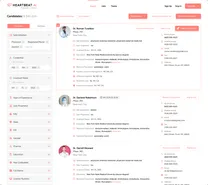
Heartbeat.ai’s platform lets you search and filter licensed healthcare professionals across the United States, including neurosurgeons practicing in Georgia. You can narrow results by specialty, location, and other filters, then export verified contact details for outreach.
Neurosurgery covers a range of subspecialties — pediatric neurosurgery, neuro-oncology, vascular neurosurgery, epilepsy surgery, and functional neurosurgery among them. If your outreach depends on reaching a specific subspecialty rather than the field broadly, filtering by that detail before you build your list will save time later.
Access to the platform is self-serve: create an account, apply the filters relevant to your search, and pull the contact records you need.
Neurosurgery Care in Georgia: A Quick Overview
Georgia’s neurosurgical care is anchored by a handful of major academic and hospital systems. Emory University Hospital and Emory University Hospital Midtown host Emory’s Department of Neurosurgery, which also provides neurosurgical care at Grady Memorial Hospital and other Atlanta-area facilities. Emory’s pediatric neurosurgery program treats children through Children’s Healthcare of Atlanta locations.
Beyond Emory, Piedmont Healthcare operates neuroscience-focused programs in the Atlanta area, and several regional hospital systems maintain neurosurgery departments serving areas outside the metro core. Coverage is heavily concentrated around Atlanta, which is worth knowing if your outreach targets rural or underserved parts of the state.
Why Accurate Contact Information Matters
Three groups depend on accurate neurosurgeon contact data for different reasons:
- Patients and referring providers need a working number or email to schedule consultations or coordinate care, particularly for time-sensitive conditions.
- Recruiters and hiring teams lose candidates when outreach bounces or goes unanswered because a listed number is outdated. In a specialty with a small talent pool, one bad contact can mean a missed hire.
- Industry and research partners — device companies, pharma, academic collaborators — rely on direct lines to discuss trials, products, or joint research without going through multiple layers of hospital administration.
Common Obstacles to Finding Georgia Neurosurgeons
A few recurring problems make this harder than it should be:
- Uneven geographic distribution. Most neurosurgeons in Georgia practice in or near Atlanta, leaving rural regions with limited local specialist access.
- Opaque subspecialty information. Hospital directories often list a neurosurgeon’s name and department without specifying their subspecialty focus, forcing manual research.
- Outdated public listings. Hospital staff directories and state licensing boards are useful starting points but are not always kept current, especially for physicians who’ve recently changed employers.
- No unified availability data. There’s no single public source showing which neurosurgeons are accepting new patients, open to industry conversations, or actively job-searching.
A verified contact database doesn’t solve the distribution problem — that’s a structural feature of where specialists choose to practice — but it does reduce the time spent chasing down current phone numbers and emails one hospital directory at a time.
What a Heartbeat Neurosurgeon Contact List Includes
Heartbeat’s database is built to go beyond a name and a hospital affiliation. Typical fields available for neurosurgeon records include:
- Neurosurgeon’s name
- Location
- Contact numbers (work, cell, mobile)
- Email address
- Specialization
- Years of experience
- Sole proprietor status
- Licensed states
- License number
- Fax
- Address
Neurosurgeons by State
Browse available neurosurgeon contact lists by state below.
| Neurosurgeons by states |
|---|
| Neurosurgeons in Alabama |
| Neurosurgeons in Alaska |
| Neurosurgeons in Arizona |
| Neurosurgeons in Arkansas |
| Neurosurgeons in California |
| Neurosurgeons in Colorado |
| Neurosurgeons in Connecticut |
| Neurosurgeons in Delaware |
| Neurosurgeons in Florida |
| Neurosurgeons in Georgia |
| Neurosurgeons in Hawaii |
| Neurosurgeons in Idaho |
| Neurosurgeons in Illinois |
| Neurosurgeons in Indiana |
| Neurosurgeons in Iowa |
| Neurosurgeons in Kansas |
| Neurosurgeons in Kentucky |
| Neurosurgeons in Louisiana |
| Neurosurgeons in Maine |
| Neurosurgeons in Maryland |
| Neurosurgeons in Massachusetts |
| Neurosurgeons in Michigan |
| Neurosurgeons in Minnesota |
| Neurosurgeons in Mississippi |
| Neurosurgeons in Missouri |
| Neurosurgeons in Montana |
| Neurosurgeons in Nebraska |
| Neurosurgeons in Nevada |
| Neurosurgeons in New hampshire |
| Neurosurgeons in New jersey |
| Neurosurgeons in New mexico |
| Neurosurgeons in New york |
| Neurosurgeons in North carolina |
| Neurosurgeons in North dakota |
| Neurosurgeons in Ohio |
| Neurosurgeons in Oklahoma |
| Neurosurgeons in Oregon |
| Neurosurgeons in Pennsylvania |
| Neurosurgeons in Rhode island |
| Neurosurgeons in South carolina |
| Neurosurgeons in South dakota |
| Neurosurgeons in Tennessee |
| Neurosurgeons in Texas |
| Neurosurgeons in Utah |
| Neurosurgeons in Vermont |
| Neurosurgeons in Virginia |
| Neurosurgeons in Washington |
| Neurosurgeons in West virginia |
| Neurosurgeons in Wisconsin |
| Neurosurgeons in Wyoming |
How the Data Is Compiled
Heartbeat.ai aggregates provider contact data from a broad mix of public and private sources, then verifies it on an ongoing basis so records for neurosurgeons and other specialists stay current rather than going stale between updates.
Who Uses a Neurosurgeon Contact List Like This?
Recruiters filling neurosurgery roles, medical device and pharma sales teams, healthcare marketers, and researchers looking to connect with subspecialists are the most common users. Independent contractors like locum tenens agencies and non-profit health organizations doing outreach also rely on this kind of list. Anyone using it is responsible for complying with applicable privacy and communication regulations, including rules around unsolicited marketing to healthcare providers.
Using the List Effectively
A few practical guidelines make outreach more productive:
- Segment by subspecialty before sending anything — a pediatric neurosurgeon and a vascular neurosurgeon are unlikely to respond to the same pitch.
- Keep messages short and specific to what you’re offering; neurosurgeons’ schedules leave little room for exploratory correspondence.
- For recruitment, lead with concrete details — location, call schedule, compensation range — rather than generic descriptions of the opportunity.
- Log response rates by contact method (cell, work line, email) so you can tell which channel is actually working for this specialty.
Limitations to Keep in Mind
No contact database, however well maintained, replaces direct confirmation for time-sensitive clinical needs — always verify hospital affiliation and availability directly with the institution when the matter is urgent. Contact data can also lag behind very recent job changes, since verification happens on a rolling basis rather than in real time.
Bottom Line
Georgia’s neurosurgery landscape is concentrated around a small number of major systems, led by Emory and its affiliated hospitals. For anyone doing outreach at scale — recruiting, sales, or research — the practical bottleneck isn’t finding these physicians; it’s keeping their contact details current. A verified database like Heartbeat’s cuts down the manual research involved in maintaining that accuracy.
Frequently Asked Questions
What services do neurosurgeons in Georgia offer?
Neurosurgeons in Georgia treat conditions involving the brain, spine, and nervous system, including brain tumors, epilepsy, cerebrovascular disorders, and spinal conditions, often working alongside neurologists and other specialists.
How can I find a neurosurgeon in Georgia?
Referrals from a primary care physician, hospital directories, and patient reviews are common starting points. For non-clinical purposes like recruiting or partnership outreach, a verified provider database narrows the search by specialty and location.
What qualifications should I look for in a neurosurgeon?
Board certification, training background, years of experience, and specific expertise relevant to the condition being treated are standard considerations. This is general information, not medical advice — a treating physician or referring provider should guide any clinical decision.
What hospitals in Georgia have neurosurgery departments?
Emory University Hospital, Emory University Hospital Midtown, and Grady Memorial Hospital are among the major Georgia facilities with active neurosurgery departments; several other regional hospital systems maintain smaller neurosurgical programs.