Last updated: August 28, 2026
If you’re trying to reach urologists for recruiting, sales, research collaboration, or continuing education outreach, cold searching hospital directories one physician at a time doesn’t scale. A dedicated urologist email list solves the reach problem, but only if the data behind it is current and properly sourced. This guide covers what’s actually in a urologist contact list, how these lists get built, and how to use one without wasting budget or violating anti-spam rules.
What’s on this page:
What’s Typically Included in a Urologists Mailing List
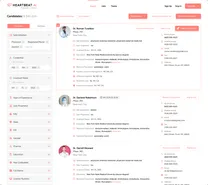
A usable urologist contact database goes well beyond a name and an email address. Look for records that include:
- Full name and practice location
- Direct contact numbers (work, cell, or mobile, depending on the provider)
- Verified email address
- Subspecialty (general urology, pediatric urology, urologic oncology, andrology, and similar categories)
- Years in practice
- Licensed state(s) and license number
- Practice address and fax, where applicable
The more granular the specialty and location data, the easier it is to segment outreach instead of blasting a single generic message to every record on the list.
 Accuracy & coverage of personal contact info were unrivaled by other platforms… this gives any healthcare recruiter a competitive advantage when engaging hard-to-reach healthcare providers.
Senior Growth Strategist






Why an Accurate List Actually Matters
A stale or scraped list causes real damage beyond wasted send credits: bounced emails hurt your domain’s sender reputation, and outdated contacts mean your message never reaches anyone who can act on it. An accurate, well-maintained urologist mailing list improves things on several fronts:
- Precision targeting: Current contact records mean your messages land with the right subspecialists instead of a generic “urology” bucket.
- Better deliverability: Fewer bounces protect your sending domain and keep future campaigns out of spam folders.
- Credibility: Verified, professional email addresses signal legitimacy, and recipients are more likely to open something that looks properly sourced.
- Efficient spend: Money isn’t wasted chasing contacts who’ve moved practices or retired.
- Segmentation options: Location, specialty, and experience data let you tailor messaging instead of sending one version to everyone.
For a related look at specialist outreach, see our article on neurologists email lists.
Urology Subspecialties You’ll Find in a List Like This
Urology covers more ground than most people assume. A comprehensive list should let you filter by category rather than treating every urologist the same way.
| Urologists Categories |
| General Urologist |
| Pediatric Urologist |
| Female Urologist |
| Male Infertility Specialist |
| Andrologist |
| Renal Transplant Urologist |
| Stone Disease Specialist |
| Neurourologist |
| Urologic Oncologist |
| Geriatric Urologist |
| Infectious Disease Urologist |
Urologists by State
Coverage by state matters if your outreach, recruiting, or referral network is regional rather than national.
| Urologists By States |
| Urologists in Alabama |
| Urologists in Alaska |
| Urologists in Arizona |
| Urologists in Arkansas |
| Urologists in California |
| Urologists in Colorado |
| Urologists in Connecticut |
| Urologists in Delaware |
| Urologists in Florida |
| Urologists in Georgia |
| Urologists in Hawaii |
| Urologists in Idaho |
| Urologists in Illinois |
| Urologists in Indiana |
| Urologists in Iowa |
| Urologists in Kansas |
| Urologists in Kentucky |
| Urologists in Louisiana |
| Urologists in Maine |
| Urologists in Maryland |
| Urologists in Massachusetts |
| Urologists in Michigan |
| Urologists in Minnesota |
| Urologists in Mississippi |
| Urologists in Missouri |
| Urologists in Montana |
| Urologists in Nebraska |
| Urologists in Nevada |
| Urologists in New Hampshire |
| Urologists in New Jersey |
| Urologists in New Mexico |
| Urologists in New York |
| Urologists in North Carolina |
| Urologists in North Dakota |
| Urologists in Ohio |
| Urologists in Oklahoma |
| Urologists in Oregon |
| Urologists in Pennsylvania |
| Urologists in Rhode Island |
| Urologists in South Carolina |
| Urologists in South Dakota |
| Urologists in Tennessee |
| Urologists in Texas |
| Urologists in Utah |
| Urologists in Vermont |
| Urologists in Virginia |
| Urologists in Washington |
| Urologists in West Virginia |
| Urologists in Wisconsin |
| Urologists in Wyoming |
How This Kind of Data Gets Compiled
Building a workable urologist contact list isn’t a one-time scrape. A reasonable process looks like this:
- Sourcing from legitimate directories: Pulling from medical directories, licensing boards, and healthcare databases across states, rather than a single questionable source.
- Verifying contact details: Checking email addresses and phone numbers on a recurring basis, since providers change practices, retire, or switch email domains often.
- Tagging by specialty and experience: Recording subspecialty and years in practice so the list supports different use cases, from recruiting to research outreach.
- Maintaining privacy standards: Following applicable data protection and privacy rules when collecting and storing contact information, and updating practices as those rules change.
For more on how provider directories in general are constructed, see our piece on doctors contact details.
What Heartbeat.ai Offers for Urologist Outreach

Breadth of coverage
Heartbeat.ai maintains a wide range of healthcare provider contacts, including urologists across subspecialties and states, so you’re not limited to a narrow regional slice.
Searchable, filterable data
The platform is built to let you search and filter quickly rather than manually cross-referencing spreadsheets, which matters when you’re working against a recruiting or campaign deadline.
Diversity and specialty filters
Filters for specialty, location, and other criteria help recruiting and marketing teams build more targeted lists instead of a one-size-fits-all export.
Faster outreach cycles
Direct access to verified contact details cuts down the manual research time that typically slows recruiting and business development work.
What to Check Before You Buy a Urologist Email List

Where the data came from
Ask the provider directly about sourcing. Data pulled from medical directories, licensing boards, or professional associations is more defensible than a scraped or purchased-and-resold list with unclear origins. Recent verification cycles matter more than raw list size.
Segmentation options
A list that can be filtered by location, subspecialty, or years in practice lets you run smaller, more relevant campaigns instead of one blast to everyone.
Consent and applicable regulations
Professional-to-professional outreach (recruiting, B2B sales, CME invitations) is generally governed by the CAN-SPAM Act rather than HIPAA’s patient-marketing rules, since HIPAA’s marketing restrictions center on patient PHI, not business contact data for licensed providers. That said, CAN-SPAM still requires accurate sender identification, a working opt-out mechanism, and honoring unsubscribe requests promptly. If any part of your outreach touches patient information rather than provider business contacts, HIPAA consent requirements apply separately and are considerably stricter.
Security practices
Ask how the vendor stores and protects the list. Reasonable expectations include secure servers, restricted access, and some form of periodic security review, not just a one-time compliance statement.
For related guidance, see our article on the pediatricians mailing list.
Who Actually Uses a Urologist Email List

Healthcare marketing agencies
Agencies running campaigns on behalf of clients use these lists to reach specific subspecialties without cold-calling every practice in a region.
Pharmaceutical companies
Used to inform urologists about new drugs, clinical trial enrollment, or educational resources tied to the specialty.
Medical equipment suppliers
Suppliers of urology-specific devices and technology use contact lists to connect directly with the physicians who’d actually purchase or recommend their products.
CME providers
Organizations running continuing medical education programs use the list to notify urologists about relevant courses and conferences.
Patient support organizations
Groups supporting patients with urological conditions use provider contact data to build referral and collaboration networks.
Government health agencies
Public health agencies use provider lists to distribute guidance or program updates relevant to urology.
Getting More Out of the List Once You Have It

Personalize past the first name
Address recipients by name, but also reference their subspecialty or location where relevant. A pediatric urologist and a urologic oncologist care about different things.
Segment before you send
Split the list by geography, subspecialty, or experience level rather than sending one message to the entire database. Smaller, relevant batches tend to outperform broad blasts.
Keep it short
Busy clinicians skim. Lead with the point of the email in the first two sentences rather than burying it under context.
Match the tone to the audience
These are licensed professionals, not consumer leads. A formal, error-free tone reads as more credible than a casual sales pitch.
Lead with something useful
An article, a genuine job opening, or a relevant clinical resource gets more engagement than a generic “check out our product” message.
Respect opt-outs
Honor unsubscribe requests immediately and keep your list current by removing bounces and opt-outs on a regular schedule, not just when someone complains.
Track results and adjust
Open rates, replies, and bounce rates tell you which segments are worth continued investment and which need a different approach or a data refresh.
The Bottom Line
A urologist email list is a tool for reaching a specific professional audience efficiently, whether that’s for recruiting, sales, research, or education. It only works if the underlying data is sourced responsibly, verified regularly, and used with the segmentation and etiquette that busy clinicians expect. A large but stale list will underperform a smaller, accurate one almost every time.
FAQs
Why does an accurate urologist email list matter for healthcare businesses?
It lets you reach the right specialists directly, reducing wasted spend and improving response rates compared to broad, untargeted outreach.
Who benefits most from a urologist contact list?
Healthcare marketing agencies, pharmaceutical companies, medical equipment suppliers, CME providers, patient support organizations, and recruiters all use this type of data, each for a different outreach goal.
Does using a targeted list improve marketing ROI?
A well-segmented, verified list generally performs better than broad-spectrum outreach because fewer resources go toward bounced or irrelevant contacts, and messages are more relevant to the recipient.