Last updated: August 31, 2026
Reaching veterinarians directly is harder than it sounds. Most clinics screen calls, front-desk staff filter emails, and generic outreach tends to get ignored. For pharmaceutical reps, recruiters, associations, and healthcare marketers, that means wasted budget and slow pipelines unless contact data is accurate and current.
This page covers what a veterinarian contact database typically includes, how these lists get built and maintained, who realistically uses them, and what to check before you buy or license one.

What’s on this page:
What’s Typically Included in a Veterinarian Contact Database

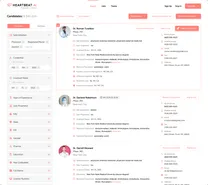
A usable veterinarian database needs to do more than list names. Look for these capabilities before relying on any provider:
- Geographic filtering: Search or filter by state, city, or region so outreach can target a specific service area instead of a national blast.
- Specializations: Small animal, large animal, equine, exotic pet, and other focus areas, since a pharma rep pitching equine products has no use for a small-animal-only contact.
- Practice type: Private practice, animal hospital, academic/research, or government roles, each of which responds to different messaging.
- Practice details: Services offered, diagnostic capabilities, and other operational context that helps qualify a lead before you reach out.
- Reporting or analytics: Aggregated views of coverage by region or specialization help you plan campaigns before you commit budget to a list segment.
Data Points You Should Expect in Each Record
- Veterinarian name
- Clinic or practice name
- Practice address, city, state, zip code
- Practice phone number
- Email address
- Specialization or services (small animal, large animal, equine, emergency/critical care, etc.)
- Years in practice
- Practice website
 Accuracy & coverage of personal contact info were unrivaled by other platforms… this gives any healthcare recruiter a competitive advantage when engaging hard-to-reach healthcare providers.
Senior Growth Strategist






Why Accurate Contact Data Matters for Vet Outreach

- Targeted outreach: A current list lets you route messages to the right specialty or region instead of spraying a generic message across every vet on file.
- Fewer bounces and wasted sends: Practices close, vets change roles, and email addresses go stale. Regular verification keeps deliverability rates from quietly declining.
- Better response to education and CE content: Continuing education invitations land better when they reach vets whose specialization actually matches the topic.
- More efficient recruiting and career outreach: Job postings and mentorship programs perform better against a segmented, current list than a static one.
- Usable feedback loops: Surveys sent to a maintained list produce more reliable signal than ones sent to outdated contacts who no longer practice.
Veterinarian Categories You’ll Find in a Segmented List
A well-organized list separates veterinarians by focus area rather than lumping everyone together:
Veterinarians by State
Coverage varies by state, so check state-level availability before committing to a large campaign in one region.
| Veterinarians By States |
| Veterinarians in Alabama |
| Veterinarians in Alaska |
| Veterinarians in Arizona |
| Veterinarians in Arkansas |
| Veterinarians in California |
| Veterinarians in Colorado |
| Veterinarians in Connecticut |
| Veterinarians in Delaware |
| Veterinarians in Florida |
| Veterinarians in Georgia |
| Veterinarians in Hawaii |
| Veterinarians in Idaho |
| Veterinarians in Illinois |
| Veterinarians in Indiana |
| Veterinarians in Iowa |
| Veterinarians in Kansas |
| Veterinarians in Kentucky |
| Veterinarians in Louisiana |
| Veterinarians in Maine |
| Veterinarians in Maryland |
| Veterinarians in Massachusetts |
| Veterinarians in Michigan |
| Veterinarians in Minnesota |
| Veterinarians in Mississippi |
| Veterinarians in Missouri |
| Veterinarians in Montana |
| Veterinarians in Nebraska |
| Veterinarians in Nevada |
| Veterinarians in New Hampshire |
| Veterinarians in New Jersey |
| Veterinarians in New Mexico |
| Veterinarians in New York |
| Veterinarians in North Carolina |
| Veterinarians in North Dakota |
| Veterinarians in Ohio |
| Veterinarians in Oklahoma |
| Veterinarians in Oregon |
| Veterinarians in Pennsylvania |
| Veterinarians in Rhode Island |
| Veterinarians in South Carolina |
| Veterinarians in South Dakota |
| Veterinarians in Tennessee |
| Veterinarians in Texas |
| Veterinarians in Utah |
| Veterinarians in Vermont |
| Veterinarians in Virginia |
| Veterinarians in Washington |
| Veterinarians in West Virginia |
| Veterinarians in Wisconsin |
| Veterinarians in Wyoming |
How Veterinarian Contact Data Gets Compiled
No provider builds a veterinarian database from a single source, and any vendor claiming otherwise should raise questions. A defensible approach draws from several channels and cross-checks them against each other:

- Public records: Licensing boards, veterinary association membership rolls, and conference attendance records.
- Practice websites: Scraped contact and specialization details that supplement what public records show.
- User submissions: Self-reported profile updates, vetted before they’re added, since self-reported data still needs a verification step.
- Partnerships: Permission-based data sharing with related organizations.
- Online directories: Practice and hospital listings as an additional cross-reference point.
- Conferences: In-person validation and profile enrichment, with attendee consent.
Limitation worth flagging: even with multiple sources, veterinarian contact data decays as people change jobs or retire. Treat any list as a snapshot, not a permanent record, and prioritize providers who describe an ongoing update process rather than a one-time build.
What to Check Before You Buy a Veterinarian Email List
Accuracy
Cross-check contact details against multiple sources rather than trusting a single feed. Names, titles, practice locations, and specializations should be current, and members should be able to correct their own records.
Consent
Email addresses should come with a documented basis for contact, with an easy opt-out available at any time.
Compliance
Confirm the provider follows data protection rules relevant to your campaign and jurisdiction, including anti-spam requirements for commercial email.
Transparency
You should be able to find out how the list is maintained, who controls it, and how contacts can request access to or deletion of their data.
Security
Ask how personal data is protected in storage and transit, and whether access is limited to people who actually need it.
Update cadence
A list that isn’t actively re-verified degrades quickly. Ask how often records are refreshed and what triggers a review.
Purpose fit
The strongest use cases connect back to veterinary work or animal welfare rather than unrelated promotional content.
Who Actually Uses a Veterinarian Email List

Veterinary practices
Clinics and hospitals use these lists to share new specialist announcements, vaccination clinics, and community programs with peer practices.
Associations
State and national veterinary associations rely on current contact data to distribute policy updates and continuing-education opportunities to members.
Educational institutions
Veterinary schools use the data for admissions outreach, alumni programs, and conference promotion.
Non-profit organizations
Animal welfare groups reach vets about volunteer opportunities, emergency response needs, and research findings.
Government agencies
Disease-control departments distribute policy changes and animal health advisories to practicing vets.
Publishers
Academic journals and veterinary trade publications use lists to promote new issues, conferences, and subscription offers.
Pharmaceutical and animal health companies
Manufacturers share new drug, vaccine, and clinical trial information relevant to treatment protocols.
A Practical Workflow for Using the List

- Segment before you send. Group contacts by specialization, location, and practice type. A blanket email to every record on the list performs worse than three targeted ones.
- Personalize the opening. Address the recipient by name and reference their specialty or region where relevant.
- Keep the message short. Vets are working between appointments; lead with the point instead of burying it in the third paragraph.
- Lead with something useful. A relevant clinical update, event, or resource performs better than a pure sales pitch.
- Confirm consent status before sending. Only message contacts who have a valid basis for receiving your message.
- Track response and adjust. Open and reply patterns tell you which segments and subject lines are actually working, and which ones to drop.
Bottom Line
A veterinarian contact list is only as useful as its upkeep. Segmentation by specialty and location, consent tracking, and a real update cadence matter more than raw record count. Before committing budget to any list, ask how it’s compiled, how often it’s refreshed, and what compliance safeguards are in place.
FAQs
What makes a veterinarian email list reliable?
Reliability comes from cross-checked sourcing, regular re-verification, and clear segmentation by specialty, location, and practice type rather than a single static export.
How often should a veterinarian list be updated?
Contact details for any professional group shift as people change jobs or retire, so look for providers who describe an ongoing verification process rather than a one-time data pull.
Is using a veterinarian email list compliant with privacy and anti-spam rules?
Compliance depends on how the list was built and how you use it. Confirm the provider documents a lawful basis for contact and offers an easy opt-out before you send anything.