Last updated: August 31, 2026
Sourcing accurate contact information for orthodontists in Texas is a narrower job than it looks. The state has a large, spread-out population of practicing orthodontists, ranging from solo practices in smaller towns to multi-location groups in Dallas, Houston, San Antonio, and Austin. For recruiters, sales teams, and healthcare marketers, the challenge isn’t finding orthodontists exist — it’s finding current, verified phone numbers and email addresses fast enough to act on them.
This guide covers what a Texas orthodontist contact list should include, why accuracy matters more than volume, and how Heartbeat’s data can support outreach, recruiting, and networking in the state.
What’s on this page:
Get the Best Email List of Orthodontists in Texas from Heartbeat
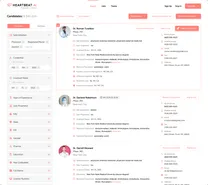
Heartbeat.ai’s database is built to help you find licensed healthcare professionals across the United States, including orthodontists in Texas. Filters let you narrow results by specialization, location, years in practice, and more, so you’re not sorting through irrelevant contacts before reaching out.
The list spans different types of practitioners, including pediatric orthodontists who focus on children and adolescents, general orthodontists who treat patients across age groups, orthodontic associates and consultants, orthodontic therapists, and academics involved in orthodontic research and training.
To access a list, visit Heartbeat.ai, select the filters that match your target audience, and check out. If you’re unsure which list fits your goals, the Heartbeat team can help you narrow it down before you commit to a purchase.
Overview of Orthodontic Care in Texas
Texas has a large and varied healthcare infrastructure supporting orthodontic care, from general practices offering traditional braces to clinics providing clear aligner treatment. Academic dental programs, including those at UTHealth Houston, UT Health San Antonio, and Texas A&M College of Dentistry, also operate orthodontic clinics that combine resident training with patient care.
Larger health systems in the state, such as Texas Health Resources, which operates hospitals across the Dallas-Fort Worth area, contribute to the broader healthcare network that orthodontic practices often connect with for referrals and specialist care. The mix of independent practices, group practices, and academic clinics means contact data needs differ depending on whether you’re targeting solo practitioners or larger organizations.
Why Accurate Contact Information Matters
For patients, having a working phone number or email for an orthodontist’s office means fewer missed appointments and faster answers to scheduling or billing questions. For recruiters and healthcare staffing teams, outdated contact details translate directly into missed candidates and wasted outreach cycles.
Professional networking depends on the same accuracy. Reaching out to a colleague for a referral, a speaking opportunity, or a research collaboration only works if the contact information is current. A list with a high bounce rate or disconnected numbers doesn’t just waste time — it can also damage a sender’s reputation with email providers, which affects future deliverability.
Challenges in Finding Orthodontists Across Texas
Texas’s size creates real friction for anyone trying to build a reliable list of providers. A few recurring issues:
- Geographic spread: Rural areas often have far fewer orthodontic providers than urban centers, making proximity searches less useful outside major metros.
- Population growth: Rapid population increases in cities like Austin and San Antonio can outpace the availability of specialists, leading to longer scheduling windows in some regions.
- Credential verification: Confirming a provider’s license status, experience, and specialization takes time if you’re checking each name manually against state board records.
- Data decay: Providers change practices, retire, or update contact details often enough that lists compiled even a year ago can already have gaps.
Geo-mapping tools and tele-dentistry options help address some of the geographic gaps, and licensing databases maintained by state dental boards can confirm credentials. But for anyone building outreach at scale, checking each record manually isn’t practical — this is where a maintained contact database becomes useful.
What a Heartbeat Orthodontists Contact List Includes
Heartbeat’s database is built to reduce the manual work of finding and verifying orthodontist contact details. A typical record includes:
- Orthodontist’s name
- Location
- Contact numbers (work, cell, mobile)
- Email address
- Specialization
- Years of experience
- Sole proprietor status
- Licensed states
- License number
- Fax
- Address
Available Orthodontists in Our Contact List by State
Explore comprehensive contact lists for orthodontists in other states across the country.
| Orthodontists by states |
|---|
| Orthodontists in Alabama |
| Orthodontists in Alaska |
| Orthodontists in Arizona |
| Orthodontists in Arkansas |
| Orthodontists in California |
| Orthodontists in Colorado |
| Orthodontists in Connecticut |
| Orthodontists in Delaware |
| Orthodontists in Florida |
| Orthodontists in Georgia |
| Orthodontists in Hawaii |
| Orthodontists in Idaho |
| Orthodontists in Illinois |
| Orthodontists in Indiana |
| Orthodontists in Iowa |
| Orthodontists in Kansas |
| Orthodontists in Kentucky |
| Orthodontists in Louisiana |
| Orthodontists in Maine |
| Orthodontists in Maryland |
| Orthodontists in Massachusetts |
| Orthodontists in Michigan |
| Orthodontists in Minnesota |
| Orthodontists in Mississippi |
| Orthodontists in Missouri |
| Orthodontists in Montana |
| Orthodontists in Nebraska |
| Orthodontists in Nevada |
| Orthodontists in New hampshire |
| Orthodontists in New jersey |
| Orthodontists in New mexico |
| Orthodontists in New york |
| Orthodontists in North carolina |
| Orthodontists in North dakota |
| Orthodontists in Ohio |
| Orthodontists in Oklahoma |
| Orthodontists in Oregon |
| Orthodontists in Pennsylvania |
| Orthodontists in Rhode island |
| Orthodontists in South carolina |
| Orthodontists in South dakota |
| Orthodontists in Tennessee |
| Orthodontists in Texas |
| Orthodontists in Utah |
| Orthodontists in Vermont |
| Orthodontists in Virginia |
| Orthodontists in Washington |
| Orthodontists in West virginia |
| Orthodontists in Wisconsin |
| Orthodontists in Wyoming |
How Heartbeat Compiles Its Orthodontist Data
Heartbeat.ai aggregates healthcare provider contact data from a wide range of official, private, and public sources, then applies predictive modeling to fill in and verify contact details like direct cell numbers and personal email addresses. The goal is to give recruiters and marketers a starting point that’s already been checked, rather than a raw list that still needs manual verification.
No contact database, however comprehensive, will ever be 100% current at every moment — providers change jobs, retire, or update their information on their own timeline. Treat any purchased list as a strong starting point, not a guarantee, and build a light verification step into your outreach workflow for high-value contacts.
Who Uses an Orthodontists Email List?
Marketing managers, sales representatives, and recruiters are the most common users, but the audience is broader than that. Dental and orthodontic equipment manufacturers, pharmaceutical companies with dental-adjacent products, PR and communications firms, and researchers running provider surveys also rely on this kind of contact data. Event organizers building attendance for continuing education conferences use it too.
How to Use an Orthodontists Contact List Effectively
A few practices make outreach more productive and reduce the chance of being flagged as spam or ignored:
- Segment your list by specialization or practice type before sending — a message to a pediatric orthodontist should read differently than one to a solo general practitioner.
- Lead with a clear, specific reason for contact rather than a generic introduction.
- Respect scheduling constraints; orthodontic offices run on tight patient appointment windows, so timing your outreach outside peak clinical hours often gets better response rates.
- Keep communications professional and avoid implying any clinical or diagnostic relationship — a contact list is for business outreach, not patient care.
Where This Leaves You
Building a reliable outreach list for Texas orthodontists comes down to balancing coverage with accuracy. A list that’s too broad without verification wastes outreach budget on dead contacts; one that’s too narrow misses opportunities in a state this large. Heartbeat’s approach — combining broad sourcing with predictive verification — is built to sit in the middle of that tradeoff, giving you a workable starting list you can still refine based on your own campaign results.
Frequently Asked Questions
What services do orthodontists in Texas provide?
Orthodontists in Texas provide services such as braces, clear aligners like Invisalign, jaw alignment, and bite correction.
How much do orthodontic treatments cost in Texas?
Cost varies by treatment type, provider experience, and location. Contact individual practices directly for current pricing.
Are there orthodontists in Texas who accept insurance?
Many orthodontic practices in Texas accept dental insurance. Confirm coverage with your insurance provider and the specific practice before scheduling.
How long does orthodontic treatment usually take in Texas?
Treatment length depends on the individual case and can range from several months to a few years. A consultation with a provider gives a more specific estimate.