Last updated: August 31, 2026
Finding a current, working way to reach orthodontists in Illinois is a narrower problem than it looks. There aren’t that many of them compared to general dentists, and the ones worth reaching for recruiting, sales, or partnership outreach tend to be busy, hard to reach by front-desk phone lines, and cautious about unsolicited email. This guide covers what a usable contact list actually needs to contain, how to think about sourcing it, and where Heartbeat’s data fits.
What’s on this page:
Get an Email List of Orthodontists in Illinois from Heartbeat
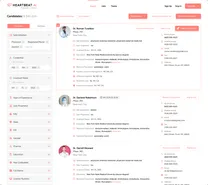
Heartbeat.ai’s provider database covers licensed healthcare professionals across the United States, including orthodontists practicing in Illinois. You can filter by specialty, location, years of experience, and other criteria to build a targeted list rather than working from a generic directory.
The list includes orthodontists across different focus areas — pediatric orthodontics, adult orthodontics, orthodontic surgery, and clear aligner-focused practices, among others. If your outreach depends on knowing that distinction (a pediatric-focused recruiter shouldn’t be emailing a surgical orthodontist about the same role), filtering by specialty saves real time.
Whether you’re running a recruiting campaign, building a referral network, or doing market research on orthodontic practices in the state, the underlying need is the same: contact details that are current enough to actually reach the person, and specific enough that you’re not guessing at fit.
Orthodontic Care in Illinois: A Brief Overview
Illinois has a mix of large academic medical centers and independent practices delivering orthodontic care. Chicago-based systems such as the University of Chicago Medical Center, Northwestern Medicine, and Rush University Medical Center anchor a significant share of specialty dental and orthodontic services in the state, alongside a large number of private orthodontic practices in suburban and downstate areas.
For anyone building a contact list, this matters practically: a meaningful share of Illinois orthodontists work in independent or small group practices rather than large hospital systems, which means their contact information often isn’t listed in a hospital directory. That’s one reason generic web searches and hospital “find a doctor” tools tend to miss a large portion of the practicing population.
Illinois’s licensing authority, the Illinois Department of Financial and Professional Regulation (IDFPR), maintains license lookup tools that can confirm whether a specific dental or orthodontic license is active, but these tools aren’t built for bulk contact discovery or outreach — they’re verification tools, not directories.
Why Accurate Contact Information Matters
Outdated or incomplete contact data creates real friction in three common scenarios:
- Personal or patient-facing needs: reaching an orthodontist’s office to schedule, reschedule, or ask a quick question depends on having a working number or email on file.
- Recruiting: a recruiter working from a stale list wastes time on bounced emails, disconnected numbers, and outdated practice affiliations. Direct contact information cuts out gatekeepers and shortens the path to a real conversation.
- Professional networking: conferences, continuing education events, referral partnerships, and joint research all depend on being able to reach the right specialist directly rather than through a general practice line.
The common thread is that contact accuracy isn’t just a convenience — it’s the difference between a campaign that produces responses and one that produces bounces.
Why Finding Orthodontists in Illinois Is Harder Than It Looks
A few practical obstacles come up repeatedly when sourcing orthodontist contacts in Illinois:
- Geographic spread: practices range from dense Chicago-area concentrations to small downstate towns, and coverage varies a lot by region.
- Fragmented ownership: many orthodontists operate independent or small-group practices rather than being listed under a large health system, so their information isn’t centralized anywhere.
- Credential verification: confirming that someone is actually a licensed, practicing orthodontist (rather than a general dentist offering some orthodontic services) takes extra research if you’re working from scratch.
- Turnover and practice changes: providers move between practices, retire, or shift specialties, which means static directories go stale faster than people expect.
A workflow that combines a maintained contact database with periodic verification against a source like IDFPR’s license lookup is more reliable than relying on either one alone.
What’s Included in Heartbeat’s Orthodontist Contact Lists
Heartbeat’s database is built to reduce the manual work described above by centralizing details that are otherwise scattered across hospital sites, practice websites, and state licensing records. A typical record includes:
- Orthodontist’s name
- Location
- Contact numbers (work, cell, mobile)
- Email address
- Specialization
- Years of experience
- Sole proprietor status
- Licensed states
- License number
- Fax
- Address
 Accuracy & coverage of personal contact info were unrivaled by other platforms… this gives any healthcare recruiter a competitive advantage when engaging hard-to-reach healthcare providers.
Senior Growth Strategist






Orthodontist Contact Lists Available by State
Browse orthodontist contact data for other states below.
| Orthodontists by states |
|---|
| Orthodontists in Alabama |
| Orthodontists in Alaska |
| Orthodontists in Arizona |
| Orthodontists in Arkansas |
| Orthodontists in California |
| Orthodontists in Colorado |
| Orthodontists in Connecticut |
| Orthodontists in Delaware |
| Orthodontists in Florida |
| Orthodontists in Georgia |
| Orthodontists in Hawaii |
| Orthodontists in Idaho |
| Orthodontists in Illinois |
| Orthodontists in Indiana |
| Orthodontists in Iowa |
| Orthodontists in Kansas |
| Orthodontists in Kentucky |
| Orthodontists in Louisiana |
| Orthodontists in Maine |
| Orthodontists in Maryland |
| Orthodontists in Massachusetts |
| Orthodontists in Michigan |
| Orthodontists in Minnesota |
| Orthodontists in Mississippi |
| Orthodontists in Missouri |
| Orthodontists in Montana |
| Orthodontists in Nebraska |
| Orthodontists in Nevada |
| Orthodontists in New hampshire |
| Orthodontists in New jersey |
| Orthodontists in New mexico |
| Orthodontists in New york |
| Orthodontists in North carolina |
| Orthodontists in North dakota |
| Orthodontists in Ohio |
| Orthodontists in Oklahoma |
| Orthodontists in Oregon |
| Orthodontists in Pennsylvania |
| Orthodontists in Rhode island |
| Orthodontists in South carolina |
| Orthodontists in South dakota |
| Orthodontists in Tennessee |
| Orthodontists in Texas |
| Orthodontists in Utah |
| Orthodontists in Vermont |
| Orthodontists in Virginia |
| Orthodontists in Washington |
| Orthodontists in West virginia |
| Orthodontists in Wisconsin |
| Orthodontists in Wyoming |
Where the Data Comes From
Heartbeat.ai compiles contact records from a combination of public and private sources, cross-referencing details like licensing status, practice affiliation, and specialty to build a usable profile for each provider. The goal is to give recruiters and marketers a starting point that’s more current than a static directory, without requiring manual verification of every record before use.
Even with a well-maintained database, it’s worth spot-checking newer or less common entries against a public source such as IDFPR’s license lookup, especially for compliance-sensitive outreach like recruiting or credentialing.
Who Uses an Orthodontist Contact List
Contact lists like this get used by a range of people: recruiters sourcing candidates for orthodontic practices or dental service organizations, marketers running campaigns aimed at specialty dental providers, sales reps for dental equipment or supply companies, and researchers or agencies doing market analysis on orthodontic care in a specific region.
Using an Orthodontist Contact List Responsibly
A few practical guidelines make outreach more effective and less likely to get ignored or flagged as spam:
- Keep messages short and specific — orthodontists and their staff are busy, and a long unsolicited email is easy to skip.
- Lead with the actual reason for reaching out rather than a generic pitch.
- Respect opt-outs immediately and don’t recontact someone who’s asked not to be contacted.
- Segment by specialty and practice type before sending, rather than treating all orthodontists as one audience.
None of this replaces standard compliance obligations around commercial email and outreach, which vary by use case and should be reviewed independently.
The Practical Takeaway
Illinois has a sizeable, geographically spread population of orthodontists, many of them in independent practices that don’t show up in hospital directories. Building a usable contact list means combining a maintained database with the specialty and licensing filters that let you reach the right person instead of a general practice line. Heartbeat’s database is built around that use case, but pairing it with periodic verification against a source like IDFPR keeps outreach accurate over time.
Frequently Asked Questions
What does an orthodontist do?
Orthodontists are dental specialists who diagnose, prevent, and treat misaligned teeth and jaws, typically using braces, aligners, or other corrective appliances.
How do I find an orthodontist in Illinois?
Ask for a referral from a general dentist or primary care provider, check professional directories such as the American Association of Orthodontists, and verify licensing status through IDFPR’s license lookup tool if needed.
What orthodontic treatments are commonly available in Illinois?
Common treatments include traditional braces, clear aligners, and retainers. The right option depends on the individual case and is determined by the treating orthodontist.
How long does orthodontic treatment typically take?
Treatment length varies by case complexity and treatment type, ranging from several months to a few years. An orthodontist can provide a specific timeline after an initial evaluation.