What’s on this page:
Key takeaways
- Heartbeat offers a searchable database that can be filtered by location and specialty to find orthodontist contacts.
- Contact records can become outdated when providers change offices or retire, so verify details before relying on them.
- South Carolina orthodontists must hold a dental license; consult the Board of Dentistry for current licensing information.
- Contact lists may support recruiting, marketing, networking, and partnership outreach.
- Segment outreach by location and specialty, and follow applicable communication and opt-out rules.
Last updated: August 31, 2026
Finding accurate contact details for orthodontists in South Carolina is harder than it sounds. Practices merge, dentists relocate between Columbia, Charleston, and Greenville, and directories go stale fast. For recruiters, marketers, and healthcare organizations trying to reach these specialists, outdated contact information means wasted outreach and missed connections.
This guide covers what makes orthodontist contact data useful, the practical challenges of sourcing it in South Carolina specifically, and how Heartbeat’s provider database can support recruitment, networking, and marketing efforts targeting this specialty.
Get an Email List of Orthodontists in South Carolina from Heartbeat
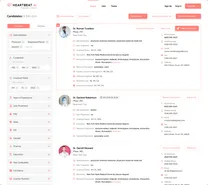
Heartbeat.ai maintains a searchable database of licensed healthcare professionals across the United States, including orthodontists. Filters let you narrow results by location, specialization, and other criteria so you can build a targeted list instead of sorting through irrelevant records.
Whether you’re recruiting for a growing practice, researching the specialty, or planning a marketing campaign, the database includes different types of orthodontic practitioners, such as general, pediatric, lingual, and Invisalign-focused providers. Records are structured for straightforward use, and access terms are laid out clearly before you commit.
Orthodontics Within South Carolina’s Healthcare System
South Carolina’s Board of Dentistry oversees dental licensure in the state. Orthodontists must hold a dental license and typically complete additional postgraduate training in orthodontics before practicing. Check the Board’s current information for licensing requirements and status.
South Carolina licensure requirements are set by the Board of Dentistry; applicants should consult the Board’s current rules for examination and other requirements. Orthodontic practices serve urban centers like Columbia, Charleston, and Greenville as well as smaller communities, though access can vary depending on how far a patient is from a metro area.
Why Accurate Contact Information Matters
Contact accuracy affects three distinct groups differently:
- Patients need a direct line to their orthodontist to schedule appointments, ask questions about ongoing treatment, and avoid delays caused by outdated phone numbers or old office addresses.
- Recruiters and healthcare organizations depend on correct contact details to reach candidates efficiently. A wrong number or dead email address means lost time chasing a lead that was never viable.
- Industry professionals rely on working contact information to build referral relationships, coordinate on complex cases, and stay connected within the specialty.
In a focused specialty search, inaccurate records can make recruiting and outreach less efficient.
Challenges in Finding Orthodontists in South Carolina
A few practical obstacles come up repeatedly when searching for orthodontist contact information in the state:
- Geographic spread. South Carolina has a mix of dense metro areas and rural counties, and provider density isn’t even across the state.
- Verifying credentials. Confirming that a provider is currently licensed, in good standing, and practicing in their listed specialty takes more than a basic web search.
- Directory staleness. Public directories and even some paid databases lag behind actual practice changes, especially when a provider changes offices or retires.
Searchable databases with location and specialty filters can help narrow a search, but provider contact details and practice locations should be independently verified. Telehealth may support some consultations, but it does not replace in-person orthodontic care when that is needed.
What You Get With Heartbeat’s Orthodontist Contact Data
Heartbeat’s database organizes orthodontist records into a consistent, ready-to-use format rather than requiring you to piece together information from scattered sources. A typical record includes:
- Orthodontist name
- Location
- Contact numbers (work, cell, mobile)
- Email address
- Specialization
- Years of experience
- Sole proprietor status
- Licensed states
- License number
- Fax
- Address
 Accuracy & coverage of personal contact info were unrivaled by other platforms… this gives any healthcare recruiter a competitive advantage when engaging hard-to-reach healthcare providers.
Senior Growth Strategist





Orthodontists Available by State
Browse our contact lists for orthodontists in other states:
| Orthodontists by states |
|---|
| Orthodontists in Alabama |
| Orthodontists in Alaska |
| Orthodontists in Arizona |
| Orthodontists in Arkansas |
| Orthodontists in California |
| Orthodontists in Colorado |
| Orthodontists in Connecticut |
| Orthodontists in Delaware |
| Orthodontists in Florida |
| Orthodontists in Georgia |
| Orthodontists in Hawaii |
| Orthodontists in Idaho |
| Orthodontists in Illinois |
| Orthodontists in Indiana |
| Orthodontists in Iowa |
| Orthodontists in Kansas |
| Orthodontists in Kentucky |
| Orthodontists in Louisiana |
| Orthodontists in Maine |
| Orthodontists in Maryland |
| Orthodontists in Massachusetts |
| Orthodontists in Michigan |
| Orthodontists in Minnesota |
| Orthodontists in Mississippi |
| Orthodontists in Missouri |
| Orthodontists in Montana |
| Orthodontists in Nebraska |
| Orthodontists in Nevada |
| Orthodontists in New hampshire |
| Orthodontists in New jersey |
| Orthodontists in New mexico |
| Orthodontists in New york |
| Orthodontists in North carolina |
| Orthodontists in North dakota |
| Orthodontists in Ohio |
| Orthodontists in Oklahoma |
| Orthodontists in Oregon |
| Orthodontists in Pennsylvania |
| Orthodontists in Rhode island |
| Orthodontists in South carolina |
| Orthodontists in South dakota |
| Orthodontists in Tennessee |
| Orthodontists in Texas |
| Orthodontists in Utah |
| Orthodontists in Vermont |
| Orthodontists in Virginia |
| Orthodontists in Washington |
| Orthodontists in West virginia |
| Orthodontists in Wisconsin |
| Orthodontists in Wyoming |
How Heartbeat Builds Its Orthodontist Contact Data
Heartbeat says it compiles healthcare provider records from public, private, and official sources, then matches them against cell phone and personal email data. The company says this approach is intended to reduce manual verification work in recruiting and outreach; users should still confirm records before relying on them.
Heartbeat’s broader database spans roughly 11 million U.S. healthcare professionals, with millions of matched direct cell phone numbers and personal email addresses. These are platform-wide figures rather than orthodontics-specific counts, so treat them as context for the tool’s overall scale rather than a guarantee of how many South Carolina orthodontists are represented.
Who Uses Orthodontist Contact Lists
Contact lists like this serve a range of use cases beyond a single recruiter or marketer:
- Sales and marketing teams building outreach campaigns aimed at dental specialists
- Recruiting agencies sourcing candidates for open orthodontic positions
- Non-profit organizations coordinating outreach or fundraising tied to dental health initiatives
- Businesses and vendors developing partnerships with orthodontic practices
- Individuals researching or expanding a professional network within the specialty
Using Orthodontist Contact Data Effectively
A contact list is only as useful as the outreach strategy behind it. A few practices that tend to separate effective campaigns from ones that get ignored or flagged as spam:
- Lead with something specific and relevant, not a generic pitch. Busy clinicians respond better to messages that clearly explain why they’re being contacted.
- Keep initial outreach short. Long, jargon-heavy emails get skipped.
- Respect state and federal communication rules, including opt-out requirements for email and applicable telemarketing restrictions for phone outreach.
- Mix channels where appropriate — email, direct calls, and professional networking platforms each have a place depending on the goal.
- Segment your list by specialization, location, and experience level rather than treating every orthodontist contact the same way.
None of this replaces due diligence on the recipient’s licensing status, which can typically be confirmed directly through the South Carolina Board of Dentistry.
Where This Data Fits Into a Broader Search
Contact databases work best as one part of a verification process, not the only step. For recruiting, checking a provider’s license status with the South Carolina Board of Dentistry before extending an offer is a reasonable safeguard. Consult the Board’s current records for the latest available status.
Frequently Asked Questions
What services do orthodontists in South Carolina offer?
Orthodontists in South Carolina typically offer braces, Invisalign, retainers, and other orthodontic appliances, along with related consultation and treatment planning services.
How do I find a reputable orthodontist in South Carolina?
Referrals from a general dentist, recommendations from friends or family, and reviewing a provider’s license status through the South Carolina Board of Dentistry are practical starting points.
How long does orthodontic treatment in South Carolina usually take?
Treatment length varies by case and typically ranges from several months to a couple of years, depending on the specific orthodontic plan a provider recommends.
Do orthodontists in South Carolina offer payment plans?
Many orthodontic practices offer payment plans, though terms vary by office. It’s worth asking about payment options during an initial consultation.