Last updated: August 28, 2026

Reaching hematologists directly, by phone or by inbox, is harder than it looks. Many split time between hospital systems, outpatient clinics, and research settings, and their contact details shift as affiliations change. A current, well-segmented hematologist contact list helps with product introductions, recruiting, and professional outreach, but only if the underlying data holds up over time.
Heartbeat maintains a hematologist contact directory built to support that kind of targeted engagement across the specialty.
What’s on this page:
About HeartBeat Hematologists Mailing List: What You Will Get
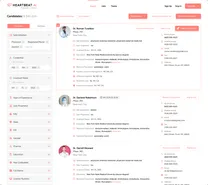
The hematologist listing covers professionals practicing across the United States.

Key features include:
- Location targeting: Filter by state, city, or zip code for regional outreach or recruitment.
- Detailed profiles: Contact numbers, email addresses, and specialization areas beyond a basic name and title.
- Specialization focus: Narrow by subspecialty, such as oncology, bone marrow transplantation, or pediatric hematology.
- Additional context: Years of experience, hospital affiliations, and other professional details where available.
Types of Data Included in Hematologists’ Contact List
- Name
- Location
- Contact numbers (work, cell, mobile)
- Email address
- Specialization
- Years of experience
- Sole proprietor status
- Licensed states
- License number
- Fax
- Address
 Accuracy & coverage of personal contact info were unrivaled by other platforms… this gives any healthcare recruiter a competitive advantage when engaging hard-to-reach healthcare providers.
Senior Growth Strategist





Benefits of Using a Valid Hematologist Email List
Data quality directly affects outreach results in this specialty. A few practical benefits of working from an accurate, current list:
- Fewer bounces, less rework: Outdated addresses mean bounced messages and wasted send capacity. Verified contacts cut down on that friction.
- Better response rates: Messages that land in an active inbox have a chance of being read; messages that bounce don’t.
- Credibility with recipients: Hematologists notice when outreach is clearly targeted and accurate rather than generic.
- Time saved: Teams spend less time chasing dead contacts and more time on actual outreach.
- Sharper targeting: Accurate specialization and location fields let you narrow a campaign to the right subset of specialists instead of a broad, unfocused list.
Take the next step in expanding your healthcare network. Explore our gynecologic oncologists mailing list for targeted networking opportunities.
Who Are You Likely to See in Our Hematologists Email List by Category?
The mailing list spans a range of hematology-related roles, including:
| Type of Hematologist |
| Hematopathologist |
| Pediatric Hematologist |
| Hemostasis and Thrombosis Specialist |
| Bone Marrow Transplant Specialist |
| Coagulation Specialist |
| Hematologist-Oncologist |
| Clinical Hematologist |
Available Hematologists in Our Email List by States
Coverage breaks down by state so you can scope outreach to a specific region.
| Hematologists By States |
| Hematologists in Alabama |
| Hematologists in Alaska |
| Hematologists in Arizona |
| Hematologists in Arkansas |
| Hematologists in California |
| Hematologists in Colorado |
| Hematologists in Connecticut |
| Hematologists in Delaware |
| Hematologists in Florida |
| Hematologists in Georgia |
| Hematologists in Hawaii |
| Hematologists in Idaho |
| Hematologists in Illinois |
| Hematologists in Indiana |
| Hematologists in Iowa |
| Hematologists in Kansas |
| Hematologists in Kentucky |
| Hematologists in Louisiana |
| Hematologists in Maine |
| Hematologists in Maryland |
| Hematologists in Massachusetts |
| Hematologists in Michigan |
| Hematologists in Minnesota |
| Hematologists in Mississippi |
| Hematologists in Missouri |
| Hematologists in Montana |
| Hematologists in Nebraska |
| Hematologists in Nevada |
| Hematologists in New Hampshire |
| Hematologists in New Jersey |
| Hematologists in New Mexico |
| Hematologists in New York |
| Hematologists in North Carolina |
| Hematologists in North Dakota |
| Hematologists in Ohio |
| Hematologists in Oklahoma |
| Hematologists in Oregon |
| Hematologists in Pennsylvania |
| Hematologists in Rhode Island |
| Hematologists in South Carolina |
| Hematologists in South Dakota |
| Hematologists in Tennessee |
| Hematologists in Texas |
| Hematologists in Utah |
| Hematologists in Vermont |
| Hematologists in Virginia |
| Hematologists in Washington |
| Hematologists in West Virginia |
| Hematologists in Wisconsin |
| Hematologists in Wyoming |
How Do We Compile Our Data to Create a Mailing List of Hematologists?
Building a hematologist contact list involves several steps working together:
- Research and verification: Data is sourced from medical directories, professional associations, and healthcare institutions, then checked for accuracy.
- Regular updates: Contact details, locations, and specializations are refreshed periodically to limit drift and decay.
- Regulatory compliance: Compilation follows applicable privacy and data protection rules.
- Diverse sourcing: Data is pulled from a range of sources, including over 200 official, private, and public sources such as medical journals, conferences, and online platforms.
- Customization: Lists can be filtered by criteria like location or specialization to match specific outreach goals.
- Quality control: Ongoing checks aim to catch inaccuracies and inconsistencies before they reach a campaign.
Why Choose Heartbeat.ai’s Hematologists Mailing List?
A few things worth weighing when comparing data providers for this specialty:

Large Database
Heartbeat’s platform draws from a database of over 11 million records across healthcare providers, giving you a wide pool of hematologists to target and the ability to narrow in on specific states or regions.
Accurate and Up-to-Date Data
The underlying data is refreshed on a regular cycle, which matters because outdated contact info is one of the main reasons outreach campaigns underperform.
Easy to Use
The platform is built for straightforward filtering and search by criteria such as location or specialization, without a heavy setup process.
Targeted Data
Filtering options let you tailor a list to a specific audience rather than sending broad, undifferentiated messages to every hematologist in a region.
Compliance with Regulations
Heartbeat’s data practices are designed to align with frameworks such as the CAN-SPAM Act and GDPR, which matters both for legal exposure and for the credibility of your outreach.
Wide Range of Contact Information
Records can include name, location, work and mobile phone, email address, specialization, years of experience, sole proprietor status, licensed states, license number, fax, and address, giving you multiple channels for reaching a given contact.
Empower your outreach efforts. Discover our rheumatologists email list for tailored solutions in connecting with healthcare professionals.
What to Consider When Getting a Hematologist’s Email List?
Accuracy and compliance should sit at the top of any evaluation checklist.

Data Accuracy
Verify that the list draws from reliable sources and is updated on a defined schedule, not compiled once and left static.
Privacy Laws
Confirm the list and your intended use align with regulations such as CAN-SPAM and GDPR before you launch a campaign.
Consent and Privacy
Healthcare professionals, including hematologists, are covered by strict privacy expectations, and contact information of doctors should be used only for purposes consistent with how it was collected.
Reliable Sources
Look for data compiled from established channels like healthcare directories, market research, and professional conferences rather than scraped or unverified lists.
Opt-In Process
Where opt-in status is tracked, respecting it protects both compliance and the recipient’s trust in your organization.
Who Can Use the Hematologist Email List?
Several types of organizations rely on hematologist contact data for different reasons:

Pharmaceutical Companies
Introducing new blood-related treatments and medications directly to the specialists who prescribe them is more efficient than broad, undirected distribution.
Hospital Systems and Clinics
Recruiting teams can reach hematologists directly rather than relying solely on job boards and passive applications.
How to Use a Hematologist Email List Effectively
A short working checklist for campaigns targeting this specialty:

Identify Qualified Candidates
For recruiting, filter for hematologists whose profile matches the specific skills or subspecialty you need rather than casting a wide net.
Showcase Your Culture
Highlight work environment, research opportunities, and benefits that would matter to a specialist evaluating a move.
Highlight Relevant Information
Lead with content that benefits the recipient directly: clinical advancements, upcoming conferences, or professional development opportunities.
Target the Outreach
Filter by specialization, location, and research interest so each message is relevant to the person receiving it.
Personalize
Reference the recipient’s name and area of expertise rather than sending a generic template.
Keep Messages Clear
Hematologists are busy clinicians; a concise, well-organized email is more likely to get read than a long one.
Conclusion
A well-maintained hematologist email list is a practical tool for recruiting, marketing, and professional networking, but its value depends entirely on data accuracy and how carefully consent and privacy rules are followed. Keeping a list current takes ongoing effort, and segmenting by specialization or location is usually necessary to keep outreach relevant rather than generic.
Heartbeat’s approach centers on data accuracy and compliance, aiming to reduce the maintenance burden on teams doing this kind of outreach.
FAQs
What response rate should I expect from a hematologist email campaign?
Response rates vary with list quality, message relevance, and how well the campaign is targeted; there’s no single reliable benchmark across the specialty.
How can I make sure I’m reaching the right audience?
Start with an accurate, well-segmented list, tailor messaging to the recipient’s specialization, and follow standard email deliverability practices.
How do I measure campaign performance?
Track open rates, click-through rates, response rates, and conversions, and use that data to refine targeting and messaging over successive campaigns.