Last updated: August 30, 2026
Clinical lipidologists focus on diagnosing and managing cholesterol, triglyceride, and other lipid disorders that drive cardiovascular disease. Florida’s large and aging population makes this specialty especially relevant to recruiters, health systems, and pharma or device teams trying to reach the right physicians. The problem most of these teams run into isn’t finding a lipidologist exists somewhere in the state — it’s getting a working phone number or email address once they’ve identified one.
This page covers what the specialty involves, why current contact data matters for recruitment and outreach, the practical obstacles to finding it, and how a healthcare contact database like Heartbeat.ai fits into that workflow.
What’s on this page:
What a Clinical Lipidologist Does
A clinical lipidologist is a health care professional certified by the American Board of Clinical Lipidology (ABCL) or Accreditation Council for Clinical Lipidology (ACCL) who specializes in identifying and managing dyslipidemia and related metabolic disorders that lead to atherosclerotic cardiovascular disease and other complications. The ABCL certifies physicians specializing in clinical lipidology through an exam, while the ACCL offers certification for allied health professionals through pathways assessing competency in clinical lipid management. In practice, that means these clinicians see patients with stubborn cholesterol issues, inherited lipid disorders, or complex cardiovascular risk that a primary care provider may not have time or specialized training to manage.
The certification pathway is open to licensed physicians in the US and Canada, as well as nurses, nurse practitioners, physician assistants, pharmacists, registered dietitian/nutritionists, and clinical exercise physiologists who meet qualifying criteria. That range of eligible backgrounds matters for anyone building an outreach list — “lipidologist” contact lists may reasonably include allied health professionals holding ACCL credentials, not only MDs.
Get an Email List of Clinical Lipidologists in Florida from Heartbeat
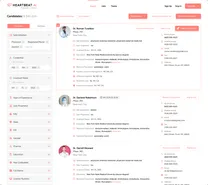
Heartbeat.ai’s platform lets you search licensed healthcare professionals across the United States, including Florida, using filters to narrow down the specific profiles you need. You can build a working list in minutes rather than assembling contacts one at a time from scattered sources.
The database includes lipidologists working with both adult and pediatric patients, spanning clinical practitioners managing patients day to day and researchers involved in lipid-related studies. If you need the list refined further — by geography within Florida, years of experience, or a narrower area of expertise — that customization is available through the platform.
Access the list directly through Heartbeat.ai’s SaaS platform. Reach out if you have questions or need a custom pull for a specific project.
Florida’s Healthcare Landscape
Florida has an extensive and diverse healthcare system, home to major academic and specialty centers. Clinical lipidologists in the state work across hospitals, cardiology practices, and outpatient clinics, contributing to cardiovascular disease prevention efforts that matter given Florida’s older resident population. Beyond direct patient care, many are involved in research and public health initiatives connected to lipid management and heart disease.
Why Accurate Contact Information Matters
Lipid disorders intersect directly with cardiovascular risk, so timely access to a specialist can matter for patient care coordination. Beyond the clinical side, accurate contact data has two practical business uses:
- Recruitment: Staffing teams need working numbers and emails to fill vacancies without delay. Outdated contact information causes recruitment lags that can leave a facility short-staffed longer than necessary.
- Professional networking: Researchers, referring physicians, and industry partners rely on accurate contact details to collaborate, share findings, or coordinate patient referrals. A stale email address means a missed connection, not just an inconvenience.
Why Finding a Clinical Lipidologist in Florida Is Harder Than It Should Be
A few structural issues make this specialty tougher to search than more common ones:
- Geography: Florida is large, and lipidology specialists are concentrated in certain metro areas, leaving rural regions with thinner coverage.
- Specialty size: Lipidology is a niche credential layered on top of another primary specialty (often cardiology, endocrinology, or internal medicine), so the pool of certified providers is smaller than for general specialties.
- Fragmented information: Contact details are often scattered across hospital directories, state licensing boards, and professional association listings that don’t stay current.
Telemedicine has helped close some of the geographic gap, letting patients consult specialists remotely. On the data side, a centralized, regularly refreshed database is the more direct fix for the fragmentation problem — instead of cross-referencing multiple directories, you search one source with filters for location, experience, and specialization.
What’s Included in a Heartbeat Clinical Lipidologist Contact List
A Heartbeat.ai list is built to give recruiters, marketers, and networking teams enough detail to reach out directly, not just confirm a provider exists. Typical fields include:
- Clinical lipidologist name
- Location
- Contact numbers (work, cell, mobile)
- Email address
- Specialization
- Years of experience
- Sole proprietor status
- Licensed states
- License number
- Fax
- Address
 Accuracy & coverage of personal contact info were unrivaled by other platforms… this gives any healthcare recruiter a competitive advantage when engaging hard-to-reach healthcare providers.
Senior Growth Strategist





Clinical Lipidologist Contact Lists by State
Explore email lists for clinical lipidologists across other states.
| Clinical lipidologist by states |
|---|
| Clinical lipidologist in Alabama |
| Clinical lipidologist in Alaska |
| Clinical lipidologist in Arizona |
| Clinical lipidologist in Arkansas |
| Clinical lipidologist in California |
| Clinical lipidologist in Colorado |
| Clinical lipidologist in Connecticut |
| Clinical lipidologist in Delaware |
| Clinical lipidologist in Florida |
| Clinical lipidologist in Georgia |
| Clinical lipidologist in Hawaii |
| Clinical lipidologist in Idaho |
| Clinical lipidologist in Illinois |
| Clinical lipidologist in Indiana |
| Clinical lipidologist in Iowa |
| Clinical lipidologist in Kansas |
| Clinical lipidologist in Kentucky |
| Clinical lipidologist in Louisiana |
| Clinical lipidologist in Maine |
| Clinical lipidologist in Maryland |
| Clinical lipidologist in Massachusetts |
| Clinical lipidologist in Michigan |
| Clinical lipidologist in Minnesota |
| Clinical lipidologist in Mississippi |
| Clinical lipidologist in Missouri |
| Clinical lipidologist in Montana |
| Clinical lipidologist in Nebraska |
| Clinical lipidologist in Nevada |
| Clinical lipidologist in New hampshire |
| Clinical lipidologist in New jersey |
| Clinical lipidologist in New mexico |
| Clinical lipidologist in New york |
| Clinical lipidologist in North carolina |
| Clinical lipidologist in North dakota |
| Clinical lipidologist in Ohio |
| Clinical lipidologist in Oklahoma |
| Clinical lipidologist in Oregon |
| Clinical lipidologist in Pennsylvania |
| Clinical lipidologist in Rhode island |
| Clinical lipidologist in South carolina |
| Clinical lipidologist in South dakota |
| Clinical lipidologist in Tennessee |
| Clinical lipidologist in Texas |
| Clinical lipidologist in Utah |
| Clinical lipidologist in Vermont |
| Clinical lipidologist in Virginia |
| Clinical lipidologist in Washington |
| Clinical lipidologist in West virginia |
| Clinical lipidologist in Wisconsin |
| Clinical lipidologist in Wyoming |
How the Data Is Compiled
Heartbeat.ai builds its clinical lipidologist contact list by matching cell phone and personal email information against records for U.S. healthcare providers, pulling from a wide network of official, private, and public sources. The platform covers direct cell numbers, personal emails, and direct dials for millions of U.S. health care professionals nationwide, using predictive modeling to fill gaps where a direct match isn’t already confirmed. As with any predictive contact data, treat first-pass results as a strong starting point rather than a guarantee — verify before high-stakes outreach like formal recruitment offers.
Who Uses a Clinical Lipidologist Contact List
These lists get used by a mix of internal and external parties: in-house recruiters and hiring managers, marketing and sales teams at health-adjacent vendors, staffing agencies, consultants, and event or conference organizers building invitation lists. Anyone using the data for outreach should stay within applicable privacy regulations and consent requirements — the fact that a list is easy to build doesn’t remove that responsibility.
Using the List Effectively
A few practical guidelines make outreach more productive and less likely to be ignored or flagged as spam:
- Segment the list by specialization, location, or experience level before sending anything — a generic blast to every lipidologist in the state performs worse than a targeted one.
- Keep the first message short. Busy clinicians respond better to a clear ask up front than a long pitch.
- For research outreach, secure any necessary permissions and follow relevant privacy laws before contacting providers.
- Refresh or re-verify contact records periodically — job changes and practice moves are common in healthcare, and a list that’s a year old will have noticeable decay.
Bottom Line
Florida has a meaningful population of clinical lipidologists working across hospitals, cardiology groups, and research settings, but locating current contact details for them through scattered directories is slow. A centralized, filterable database cuts that search time down for recruiters, marketers, and anyone building professional networks in cardiovascular and lipid care — provided the outreach that follows respects the same professionalism and privacy standards as any other healthcare data use.
Frequently Asked Questions
What is a clinical lipidologist?
A clinical lipidologist is a healthcare professional certified through the American Board of Clinical Lipidology or the Accreditation Council for Clinical Lipidology, specializing in diagnosing and managing cholesterol, triglyceride, and related lipid disorders tied to cardiovascular risk.
How does a clinical lipidologist help manage lipid disorders?
They typically perform detailed assessments and diagnostic testing, then build individualized treatment plans for patients with complex or difficult-to-manage cholesterol and lipid issues.
Are there clinical lipidologists practicing in Florida?
Yes. They practice across hospitals, cardiology practices, and outpatient clinics throughout the state; a filtered contact database is generally faster than searching individual directories one by one.
What qualifications do clinical lipidologists have?
Physicians are typically certified through the American Board of Clinical Lipidology, while allied health professionals such as nurse practitioners, pharmacists, and dietitians can be certified through the Accreditation Council for Clinical Lipidology.