Last updated: August 31, 2026
Clinical lipidologists focus on diagnosing and managing lipid disorders such as high cholesterol and elevated triglycerides. In Colorado, as in most states, these specialists are relatively few in number and unevenly distributed, which makes locating current, working contact information a recurring problem for recruiters, medical sales teams, and healthcare organizations trying to build referral networks.
This guide looks at why accurate contact data matters, where the practical obstacles come from, and how a data provider like Heartbeat.ai fits into a sourcing workflow for this specialty.
What’s on this page:
Get an Email List of Clinical Lipidologists in Colorado from Heartbeat
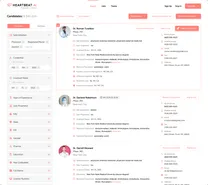
Heartbeat.ai maintains contact data on licensed healthcare professionals across the United States, including specialists such as clinical lipidologists. You can apply filters by location, specialization, and other criteria to narrow a list down to the profiles relevant to your outreach.
The database groups lipid-focused clinicians by their area of emphasis, whether that’s clinical lipid research, lipid metabolism, or pediatric lipid disorders. Knowing which sub-specialty you’re targeting matters for both recruitment and clinical marketing outreach, since a researcher and a treating clinician have different day-to-day priorities.
Accessing a list typically involves creating an account, selecting the relevant filters, and purchasing the data set you need. Support is available if you run into questions about coverage or formatting.
Overview of the Healthcare Landscape in Colorado
Colorado’s healthcare system includes a range of specialists working on lipid and cardiovascular health, though the exact count of practicing clinical lipidologists in the state fluctuates and isn’t tracked in a single public registry. Larger academic and hospital systems in the state, including university-affiliated hospitals and major health systems in the Denver metro area, tend to offer more structured lipid management programs alongside broader cardiology and preventive care services.
Smaller and rural communities often have less direct access to lipid specialists, which is one reason telehealth and referral networks matter more in this specialty than in higher-density fields.
Why Accurate Contact Information Matters
Outdated contact details cause real friction in three areas:
- Patient-facing coordination: appointment scheduling, follow-ups, and referrals depend on current phone and office information.
- Recruitment: hiring teams lose time chasing dead emails or old phone numbers when trying to reach candidates directly.
- Professional networking: referral relationships and collaboration opportunities between specialists rely on being able to reconnect reliably.
None of this replaces a verification step on your end. Contact databases are a starting point for outreach, not a substitute for confirming licensure or credentials directly with a state board when it matters for compliance.
Common Challenges in Finding a Clinical Lipidologist in Colorado
A few practical obstacles come up repeatedly when trying to locate or reach clinical lipidologists in the state:
- Limited supply: lipid disorder specialists are a narrow subspecialty, and Colorado, like most states, has a limited pool relative to general practitioners or cardiologists.
- Uneven geographic distribution: specialists tend to cluster around major hospital systems, leaving rural areas with fewer local options.
- Low public awareness: many patients and even referring clinicians aren’t sure when a lipid specialist referral is warranted versus managing lipid issues through a primary care provider or cardiologist.
Telehealth has helped close some of the geographic gap by letting patients in underserved areas consult remotely. Directory tools and provider databases also help by consolidating scattered information, such as credentials, practice location, and specialization, into a single searchable format instead of requiring manual lookups across multiple hospital websites.
What’s Included in a Heartbeat Clinical Lipidologist Contact List
Heartbeat’s data is refreshed on an ongoing basis to account for practitioners changing locations or practices, and it covers providers nationwide rather than a single state at a time. A typical record includes:
- Clinical lipidologist name
- Location
- Contact numbers (work, cell, mobile)
- Email address
- Specialization
- Years of experience
- Sole proprietor status
- Licensed states
- License number
- Fax
- Address
 Accuracy & coverage of personal contact info were unrivaled by other platforms… this gives any healthcare recruiter a competitive advantage when engaging hard-to-reach healthcare providers.
Senior Growth Strategist





Clinical Lipidologist Contact Lists by State
Explore our contact list coverage for clinical lipidologists across other U.S. states.
| Clinical lipidologist by states |
|---|
| Clinical lipidologist in Alabama |
| Clinical lipidologist in Alaska |
| Clinical lipidologist in Arizona |
| Clinical lipidologist in Arkansas |
| Clinical lipidologist in California |
| Clinical lipidologist in Colorado |
| Clinical lipidologist in Connecticut |
| Clinical lipidologist in Delaware |
| Clinical lipidologist in Florida |
| Clinical lipidologist in Georgia |
| Clinical lipidologist in Hawaii |
| Clinical lipidologist in Idaho |
| Clinical lipidologist in Illinois |
| Clinical lipidologist in Indiana |
| Clinical lipidologist in Iowa |
| Clinical lipidologist in Kansas |
| Clinical lipidologist in Kentucky |
| Clinical lipidologist in Louisiana |
| Clinical lipidologist in Maine |
| Clinical lipidologist in Maryland |
| Clinical lipidologist in Massachusetts |
| Clinical lipidologist in Michigan |
| Clinical lipidologist in Minnesota |
| Clinical lipidologist in Mississippi |
| Clinical lipidologist in Missouri |
| Clinical lipidologist in Montana |
| Clinical lipidologist in Nebraska |
| Clinical lipidologist in Nevada |
| Clinical lipidologist in New hampshire |
| Clinical lipidologist in New jersey |
| Clinical lipidologist in New mexico |
| Clinical lipidologist in New york |
| Clinical lipidologist in North carolina |
| Clinical lipidologist in North dakota |
| Clinical lipidologist in Ohio |
| Clinical lipidologist in Oklahoma |
| Clinical lipidologist in Oregon |
| Clinical lipidologist in Pennsylvania |
| Clinical lipidologist in Rhode island |
| Clinical lipidologist in South carolina |
| Clinical lipidologist in South dakota |
| Clinical lipidologist in Tennessee |
| Clinical lipidologist in Texas |
| Clinical lipidologist in Utah |
| Clinical lipidologist in Vermont |
| Clinical lipidologist in Virginia |
| Clinical lipidologist in Washington |
| Clinical lipidologist in West virginia |
| Clinical lipidologist in Wisconsin |
| Clinical lipidologist in Wyoming |
How the Data Is Compiled
Heartbeat.ai pulls provider contact data from a wide range of official, private, and public sources and consolidates it into a single searchable platform, rather than requiring you to manually cross-reference multiple hospital directories or licensing boards. The goal is to reduce the manual work involved in building an outreach list from scratch, whether you’re recruiting, running a marketing campaign, or building a referral network.
As with any third-party contact database, treat the data as a strong starting point rather than a final source of truth. Cross-check licensure status and current employer directly with the relevant state board or institution before making decisions that depend on that accuracy, particularly for compliance-sensitive outreach.
Who Uses a Clinical Lipidologist Contact List
These lists get used across a fairly wide range of roles: healthcare recruiters filling clinical positions, medical device and pharma sales teams targeting a specialty, marketing teams running campaigns aimed at a specific provider segment, and researchers or nonprofits trying to build referral or collaboration networks. Consulting firms and educational institutions use them too, generally for outreach tied to a specific initiative rather than broad-based bulk contact.
How to Use Clinical Lipidologist Contact Lists Effectively
A contact list is only as useful as the outreach built around it. A few practices worth following:
- Confirm permissions and compliance requirements before sending marketing or recruitment messages, particularly around consent-based communication rules.
- Personalize the message to the specialty. A generic pitch to a lipid researcher reads very differently than one aimed at a clinician managing patient caseloads.
- Keep it concise. Specialists get pitched frequently; a clear, short message with an obvious reason for contact performs better than a long one.
- Be transparent about why you’re reaching out and what you’re offering, whether it’s a job opportunity, a research collaboration, or a product.
Practical Takeaways
Colorado’s supply of clinical lipidologists is limited and concentrated around larger health systems, which makes contact data more valuable but also means lists need regular refreshing to stay accurate. A database like Heartbeat’s can shorten the manual research phase of outreach, but it works best paired with direct verification for anything tied to credentialing or compliance.
Frequently Asked Questions
What is a clinical lipidologist?
A clinical lipidologist is a medical specialist who focuses on diagnosing and treating disorders related to lipids, such as high cholesterol and elevated triglycerides.
Where can I find a clinical lipidologist in Colorado?
Larger hospital systems and academic medical centers in Colorado are more likely to have lipid specialists on staff. A primary care physician or cardiologist can also make a direct referral, and provider directories can help narrow down options by location.
What services does a clinical lipidologist provide?
Services typically include lipid profile testing, evaluation and management of lipid disorders, guidance on diet and lifestyle factors affecting lipid levels, and ongoing monitoring, often in coordination with a patient’s primary care provider or cardiologist.