Last updated: August 30, 2026
Reaching cardiologists in Georgia for recruiting, sales, or referral partnerships usually comes down to one problem: contact information goes stale fast. Practices merge, physicians relocate between health systems, and the email address on a hospital directory page is often years out of date by the time you find it.
This guide covers what an accurate cardiologist contact list actually needs to include, why sourcing matters more than volume, and where Heartbeat.ai fits if you’re building outreach at scale.
What’s on this page:
Get a Cardiologist Email List for Georgia from Heartbeat
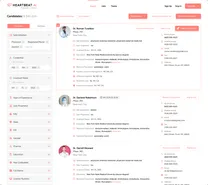
Heartbeat.ai’s database covers licensed healthcare professionals across the United States, including cardiologists practicing in Georgia. You can filter by subspecialty, location, and other criteria to build a list matched to your outreach goals rather than working from a generic directory export.
The platform’s cardiology coverage spans several subspecialties, including interventional cardiologists, pediatric cardiologists, cardiac electrophysiologists, cardiovascular surgeons, and heart failure and transplant specialists. If you need a narrow subspecialty for a specific hire or a broader list to test outreach at scale, both are available through the same filtering tools.
Lists can be customized to your target criteria and purchased directly through the site. Reach out through Heartbeat.ai if you have questions about coverage for a specific region or specialty before committing to a list purchase.
Georgia’s Cardiology Landscape: What to Know Before You Build a List
Georgia’s cardiovascular care is concentrated around a handful of major systems, including Emory Healthcare, Piedmont Healthcare, and WellStar Health System, each operating dedicated heart and vascular programs. But concentration around large systems doesn’t mean cardiologists are easy to reach statewide.
Currently 143 out of 159 Georgia counties are designated as Health Professional Shortage Areas, areas where there are 3,500 or more patients for every one provider. Georgia is projected to be short by 8,000 doctors by the year 2030. That shortage isn’t evenly distributed, and cardiology access follows the same rural-urban split seen across other specialties. If your outreach list is weighted toward metro Atlanta, you’re likely missing a meaningful share of practicing cardiologists in smaller markets.
As of 2023, 22.5% of Georgia’s physicians are 65 or older with 1 in 5 physicians likely to retire in the next five years. For recruiters, this matters directly: a portion of the cardiologists on any list compiled today may be winding down their practice or transitioning roles within the next few years, which is one more reason contact data needs regular refreshing rather than a one-time pull.
Why Accurate Contact Data Matters Here
Outdated contact information creates different problems depending on who’s using it:
- Recruiters waste cycles chasing candidates through hospital switchboards or outdated LinkedIn messages instead of reaching decision-makers directly.
- Marketers see poor deliverability and low response rates when emails bounce or land with someone who’s changed practices.
- Networking and referral partners lose momentum when a warm introduction goes to a defunct inbox.
None of this is unique to Georgia, but the state’s shortage dynamics and rural-urban split make list accuracy a bigger factor in whether outreach actually lands.
Common Challenges in Locating Cardiologists in Georgia
A few recurring obstacles come up when building or buying a cardiologist contact list for this state:
- Geographic imbalance. Cardiologists cluster around major systems in metro areas, leaving rural counties thinner on specialized coverage.
- Directory lag. Hospital and practice websites are frequently out of date, especially after mergers or physician moves.
- Incomplete records. Public directories often list a practice phone line but not a direct contact, which slows down time-sensitive outreach.
Digital databases that consolidate licensing, practice location, and specialization data can shortcut a lot of this manual searching. Telemedicine adoption has also changed the calculus somewhat, letting patients in underserved counties reach specialists without geographic constraints, though that doesn’t directly solve the data problem for marketers and recruiters trying to identify who’s practicing where.
What’s Included in a Heartbeat Cardiologist Contact List
Heartbeat.ai’s cardiologist lists are built to include the fields most outreach and recruiting workflows actually need:
- Cardiologist name
- Location
- Contact numbers (work, cell, mobile)
- Email address
- Specialization
- Years of experience
- Sole proprietor status
- Licensed states
- License number
- Fax
- Address
Available Cardiologists in Our Contact List by State
Browse our email lists of cardiologists across other states.
| Cardiologists by states |
|---|
| Cardiologists in Alabama |
| Cardiologists in Alaska |
| Cardiologists in Arizona |
| Cardiologists in Arkansas |
| Cardiologists in California |
| Cardiologists in Colorado |
| Cardiologists in Connecticut |
| Cardiologists in Delaware |
| Cardiologists in Florida |
| Cardiologists in Georgia |
| Cardiologists in Hawaii |
| Cardiologists in Idaho |
| Cardiologists in Illinois |
| Cardiologists in Indiana |
| Cardiologists in Iowa |
| Cardiologists in Kansas |
| Cardiologists in Kentucky |
| Cardiologists in Louisiana |
| Cardiologists in Maine |
| Cardiologists in Maryland |
| Cardiologists in Massachusetts |
| Cardiologists in Michigan |
| Cardiologists in Minnesota |
| Cardiologists in Mississippi |
| Cardiologists in Missouri |
| Cardiologists in Montana |
| Cardiologists in Nebraska |
| Cardiologists in Nevada |
| Cardiologists in New hampshire |
| Cardiologists in New jersey |
| Cardiologists in New mexico |
| Cardiologists in New york |
| Cardiologists in North carolina |
| Cardiologists in North dakota |
| Cardiologists in Ohio |
| Cardiologists in Oklahoma |
| Cardiologists in Oregon |
| Cardiologists in Pennsylvania |
| Cardiologists in Rhode island |
| Cardiologists in South carolina |
| Cardiologists in South dakota |
| Cardiologists in Tennessee |
| Cardiologists in Texas |
| Cardiologists in Utah |
| Cardiologists in Vermont |
| Cardiologists in Virginia |
| Cardiologists in Washington |
| Cardiologists in West virginia |
| Cardiologists in Wisconsin |
| Cardiologists in Wyoming |
How Heartbeat Compiles Cardiologist Contact Data
Heartbeat.ai aggregates healthcare provider data, including cell phone numbers and personal emails, from a mix of official, private, and public sources, then applies predictive modeling to fill gaps where a direct record isn’t available. The goal is a list that reflects current practice status rather than a static directory snapshot, which matters given how often physicians change affiliations.
No contact database, including this one, will be 100% current at all times. Physicians change practices, retire, or update contact details faster than any directory can track. Treat any purchased list as a strong starting point for outreach, not a guaranteed-accurate record, and verify before high-stakes contact attempts such as job offers or contracts.
Who Uses Cardiologist Contact Lists
These lists tend to serve a specific set of use cases:
- Healthcare recruiters sourcing candidates for open cardiology positions
- Medical device and pharma sales teams targeting cardiology practices
- Marketing teams running campaigns aimed at cardiovascular specialists
- Event coordinators inviting specialists to conferences or CME programs
- Non-profits running fundraising or awareness outreach tied to cardiovascular health
Whatever the use case, outreach should follow applicable data privacy and communication laws, including opt-out requirements for commercial email and any state-specific rules governing unsolicited contact.
A Practical Workflow for Using a Cardiologist Email List
- Define your target subspecialty and geography first. A statewide list is less useful than one filtered to, say, interventional cardiologists in metro Atlanta if that’s your actual audience.
- Segment by career stage where possible. Given the number of Georgia physicians nearing retirement, recruiters chasing long-term hires may want to weight outreach toward earlier-career cardiologists.
- Personalize before sending. Generic mass emails to specialists tend to underperform; reference something specific to their subspecialty or practice setting.
- Respect response patterns. Physicians have limited time between clinical hours. Keep messages short and lead with the value proposition.
- Refresh periodically. Re-verify contact records every few months rather than running the same list indefinitely, especially for high-value recruiting pipelines.
Limitations to Keep in Mind
Contact lists are a starting point, not a substitute for due diligence. Always confirm a physician’s current license status and practice affiliation through state licensing boards before finalizing recruitment offers or partnership agreements. Predictive contact modeling improves reach but isn’t infallible, and a percentage of emails or numbers on any list will require manual verification.
Conclusion
Georgia’s cardiology landscape is shaped by strong academic and health-system anchors in metro areas alongside a documented statewide physician shortage that hits rural counties hardest. Anyone building outreach to cardiologists in this state benefits from a list that’s segmented by geography and subspecialty, refreshed regularly, and treated as a starting point for verification rather than a finished record.
Frequently Asked Questions
What is the role of a cardiologist?
A cardiologist is a medical doctor who specializes in the diagnosis, treatment, and prevention of diseases and conditions of the heart and blood vessels.
How can I find a cardiologist in Georgia?
You can find a cardiologist in Georgia by searching online directories, asking for referrals from a primary care physician, or contacting local hospitals or medical centers directly.
What conditions do cardiologists in Georgia treat?
Cardiologists in Georgia treat conditions including heart disease, high blood pressure, chest pain, heart attacks, heart failure, arrhythmias, and congenital heart defects.