Last updated: August 31, 2026
Building a reliable contact list for cardiologists in Alabama takes more than a simple directory pull. Between rural coverage gaps, hospital consolidation, and physicians who split time across multiple practice sites, keeping outreach data current is an ongoing job rather than a one-time task. This guide covers what the Alabama cardiology landscape looks like, why accurate contact data matters for recruiters and marketers, and how Heartbeat.ai’s provider data can support that work.
What’s on this page:
Get an Email List of Cardiologists in Alabama from Heartbeat
Whether you’re sourcing interventional cardiologists, electrophysiologists, or pediatric cardiac specialists, Heartbeat.ai’s platform lets you filter licensed provider profiles by specialty, location, and other criteria, then pull verified contact details in a matter of seconds.
Cardiology covers several distinct sub-specialties, and the right contact list should reflect that. Common categories include:
- Interventional cardiologists, who diagnose and treat cardiovascular disease through catheter-based procedures such as angioplasty and stenting.
- Electrophysiologists, who focus on heart rhythm disorders.
- Pediatric cardiologists, who treat heart conditions in children.
- Cardiac surgeons, who perform bypass surgery, valve repair or replacement, and heart transplants.
Segmenting by specialty matters for recruiting and outreach: a message aimed at an interventional cardiologist looking for cath-lab volume won’t land the same way with a pediatric cardiologist evaluating a children’s hospital opportunity.
The Cardiology Landscape in Alabama
Alabama’s cardiology care is anchored by a handful of major academic and regional centers. The University of Alabama at Birmingham runs a large cardiovascular disease division that is Alabama’s major referral center for complex cardiac and vascular disorders, with more than 80 faculty and 25 fellows in the division supporting clinical care, research, and training. Grandview Medical Center in Birmingham also runs an established cardiovascular program, including a heart failure program, heart valve center and diagnostic and noninvasive cardiology services, and hosts a multi-location cardiology group serving Birmingham and surrounding communities.
Cardiovascular disease remains a significant health burden in the state. Cardiovascular disease is the leading cause of death in Alabama and nationwide, which underscores why access to cardiology care, and to the professionals who deliver it, carries real weight for both patients and the organizations that recruit or market to them.
Why Accurate Contact Information Matters
Outdated or incomplete contact data creates friction at every stage of outreach:
- Recruitment: Recruiting teams and hospital systems trying to fill open cardiology roles lose time chasing disconnected numbers or bounced emails, which slows down an already competitive hiring process.
- Networking: Cardiologists rely on direct communication with peers to coordinate referrals, share research, and participate in professional organizations. Bad contact data breaks that chain.
- Business development: Vendors, device manufacturers, and service providers targeting cardiology practices need working direct lines, not a generic hospital switchboard number, to get a response.
None of this replaces a patient’s own communication with their care team about personal medical concerns. The value of an accurate contact list is operational: it shortens the distance between an organization and the right specialist.
Why Finding Cardiologists in Alabama Can Be Difficult
Several structural factors make sourcing accurate cardiologist contact data harder in Alabama than in some other states:
- Geographic concentration. Much of the state’s cardiology capacity sits in and around Birmingham, with fewer specialists practicing in rural counties.
- Multi-site practices. Physicians affiliated with groups like Alabama Cardiovascular Group often see patients across several clinic locations, which makes a single “office phone number” less useful for direct outreach.
- Turnover and consolidation. Hospital system affiliations change, practices merge, and physicians move between employers, all of which can leave directories out of date within months.
Technology helps close some of these gaps. Searchable provider databases, telehealth platforms, and remote monitoring tools all reduce the practical distance between patients in underserved areas and cardiology specialists. For businesses and recruiters, a maintained provider database that tracks direct contact details, rather than a static list, is the more reliable way to keep pace with these changes.
What You Get with Heartbeat’s Cardiologist Contact Lists
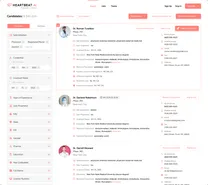
Heartbeat.ai’s database is built to address these sourcing challenges directly, whether you’re targeting Alabama specifically or working nationally. Each cardiologist profile is designed to include:
- Cardiologist Name
- Location
- Contact Numbers (Work, Cell, Mobile)
- Email Address
- Specialization
- Years of Experience
- Sole Proprietor Status
- Licensed States
- License Number
- Fax
- Address
Available Cardiologists in Our Contact List by State
Explore our extensive email list featuring cardiologists across various states in the US.
| Cardiologists by states |
|---|
| Cardiologists in Alabama |
| Cardiologists in Alaska |
| Cardiologists in Arizona |
| Cardiologists in Arkansas |
| Cardiologists in California |
| Cardiologists in Colorado |
| Cardiologists in Connecticut |
| Cardiologists in Delaware |
| Cardiologists in Florida |
| Cardiologists in Georgia |
| Cardiologists in Hawaii |
| Cardiologists in Idaho |
| Cardiologists in Illinois |
| Cardiologists in Indiana |
| Cardiologists in Iowa |
| Cardiologists in Kansas |
| Cardiologists in Kentucky |
| Cardiologists in Louisiana |
| Cardiologists in Maine |
| Cardiologists in Maryland |
| Cardiologists in Massachusetts |
| Cardiologists in Michigan |
| Cardiologists in Minnesota |
| Cardiologists in Mississippi |
| Cardiologists in Missouri |
| Cardiologists in Montana |
| Cardiologists in Nebraska |
| Cardiologists in Nevada |
| Cardiologists in New hampshire |
| Cardiologists in New jersey |
| Cardiologists in New mexico |
| Cardiologists in New york |
| Cardiologists in North carolina |
| Cardiologists in North dakota |
| Cardiologists in Ohio |
| Cardiologists in Oklahoma |
| Cardiologists in Oregon |
| Cardiologists in Pennsylvania |
| Cardiologists in Rhode island |
| Cardiologists in South carolina |
| Cardiologists in South dakota |
| Cardiologists in Tennessee |
| Cardiologists in Texas |
| Cardiologists in Utah |
| Cardiologists in Vermont |
| Cardiologists in Virginia |
| Cardiologists in Washington |
| Cardiologists in West virginia |
| Cardiologists in Wisconsin |
| Cardiologists in Wyoming |
How Heartbeat Compiles Cardiologist Contact Data
Heartbeat.ai builds its provider database by aggregating information from official, private, and public sources, then applies predictive modeling to fill in and verify contact details such as direct cell numbers and personal email addresses. The goal is to give recruiting and business development teams a working starting point rather than a static, quickly outdated list. As with any predictive contact data, accuracy will vary by individual record, and any list should be spot-checked against current licensing and practice information before large-scale outreach.
Who Uses a Cardiologist Contact List
Contact lists like this typically serve a few recurring use cases:
- Recruiters and staffing agencies sourcing candidates for open cardiology positions at hospitals and group practices.
- Medical device and pharmaceutical sales teams reaching specialists directly rather than through a general office line.
- Marketing and business development teams at healthcare vendors targeting cardiology practices for products or services.
- Associations and continuing education providers notifying cardiologists about conferences, credentialing, or research opportunities.
How to Use a Cardiologist Email List Responsibly
A working contact list is only useful if outreach is handled well. A few practical guidelines:
- Lead with a specific, relevant reason for contact rather than a generic pitch.
- Match the channel to the message: a quick scheduling question may warrant a call, while a detailed opportunity or product overview is often better suited to email.
- Follow applicable privacy and communication regulations for your outreach type and jurisdiction.
- Avoid repeated, unsolicited contact after a clear non-response.
- Keep messaging concise and respectful of the recipient’s time and expertise.
Sales and recruiting teams that treat a contact list as an ongoing resource, checking and updating records rather than running one static campaign, tend to see better response rates over time.
Bottom Line
Alabama’s cardiology workforce is concentrated around major centers like UAB and Grandview, with more limited coverage in rural parts of the state. That geographic pattern, combined with routine staff turnover and multi-site practices, makes maintaining accurate contact data a continuous effort rather than a one-time lookup. Heartbeat.ai’s provider database is built to support that ongoing need for recruiters, sales teams, and healthcare marketers working in the cardiology space.
Frequently Asked Questions
What services do cardiologists in Alabama provide?
Cardiologists in Alabama diagnose and manage heart disease, perform diagnostic testing such as echocardiography and stress tests, and carry out procedures like angioplasty depending on their sub-specialty.
How can I find a cardiologist in Alabama?
Common starting points include a referral from a primary care physician, an insurer’s in-network provider directory, or a hospital system’s physician-finder tool.
What qualifications should I look for in a cardiologist?
Board certification in cardiology, completion of a cardiology fellowship, and relevant sub-specialty training are standard qualifications worth confirming before scheduling care.
Are there specialized cardiologists in Alabama for specific heart conditions?
Yes. Interventional cardiologists handle catheter-based procedures, electrophysiologists treat rhythm disorders, and pediatric cardiologists focus on heart conditions in children.