What’s on this page:
Key takeaways
- Contact-list fields and their completeness can vary, so confirm what each vendor provides and how recently records were checked.
- Ask vendors to explain their data sources, verification methods, refresh schedule, and accuracy measurement.
- Segment outreach by relevant criteria such as location or specialty, and keep messages specific and useful to recipients.
- Check which privacy and email-marketing rules apply to your data, audience, jurisdiction, and intended use.
- A large list is not necessarily a useful list; record quality and fit for the campaign matter.
Last updated: August 28, 2026
Psychiatrists can be difficult to reach through generic channels. Many have demanding schedules, work across multiple facilities, or rely on office staff to screen calls and emails. If your outreach depends on a shared practice inbox, it may go unread. A psychiatrist email list can provide contact records for outreach to mental health prescribers, but verify how the records were sourced and checked rather than assuming every list is current or verified.
This guide covers what may be included in a psychiatrist contact database, how vendors may compile and maintain that data, considerations for lawful use, and outreach practices that can help messages reach the intended audience.
What’s Included in a Psychiatrist Email List

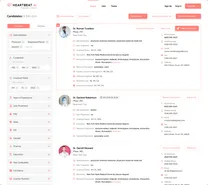
A psychiatrist contact database is built for targeted outreach in mental health services, covering psychiatrists practicing across the United States or within a specific state. Typical records include:
- Full name and professional title
- Practice location and mailing address
- Work, cell, and mobile phone numbers
- Email address
- Specialization or subspecialty
- Years of experience
- Sole proprietor status
- Licensed states and license number
- Fax number
Not every record will have every field populated — mobile numbers and license details, in particular, can vary in completeness and recency. Ask any vendor how often records are refreshed and how fields are verified before you buy.
 Accuracy & coverage of personal contact info were unrivaled by other platforms… this gives any healthcare recruiter a competitive advantage when engaging hard-to-reach healthcare providers.
Senior Growth Strategist






Why Data Accuracy Matters More Than List Size
A large email list may be of limited use if many messages bounce. The practical benefits of a well-maintained psychiatrist mailing list can include:
- Precision targeting: You reach psychiatrists who match your criteria — specialty, state, years in practice — instead of a generic “mental health professional” bucket.
- Deliverability: Fewer bounced or undeliverable messages means less wasted sending volume and cleaner sender metrics.
- Sender reputation: Repeated bounces and spam complaints hurt your domain’s standing with inbox providers, which affects every future campaign, not just this one.
- Response rates: Relevant, well-timed outreach to the right specialty tends to get better engagement than a blanket send.
- Regulatory exposure: Using verified, consent-aware data reduces the risk of running afoul of data protection rules like GDPR or U.S. email marketing law.
For adjacent specialties, you may also want to look at a physician database email list if your outreach spans more than mental health providers.
Psychiatrist Categories You’ll Find in a List
Psychiatry itself splits into several recognized subspecialties, and a well-segmented list should let you filter by them rather than lumping every prescriber into one bucket.
| Psychiatrist Categories |
| Addiction Psychiatry |
| Adolescent and Child Psychiatry |
| Forensic Psychiatry |
| Geriatric Psychiatry |
| Neuropsychiatry |
| Occupational Psychiatry (or Organizational Psychiatry) |
| Psychosomatic Medicine |
Psychiatrists by State
Coverage can vary by state depending on how many licensed psychiatrists practice there and how current public licensing records are. Below is a state-by-state directory.
How This Kind of Data Gets Compiled

Building a usable psychiatrist mailing list depends on sourcing, verification, and upkeep. Practices vary by vendor, so ask how the provider handles each step. A general process may include:
Source identification and verification
Vendors may use medical directories, professional association records, licensed healthcare provider databases, or other sources. Ask which sources are used, how they are validated, and whether the vendor has permission to use and provide the data.
Filtering and segmentation
Once raw data is pulled, it gets filtered down to psychiatrists specifically and segmented by specialty so campaigns can target subspecialty groups instead of a broad “mental health” list.
Compliance review
A vendor should assess the laws and rules that apply to the data and its intended use, including relevant privacy requirements in the jurisdictions involved. HIPAA and GDPR do not apply to every contact-list use in the same way; applicability depends on the data, the parties, and the context. Seek qualified legal advice when needed.
Verification and quality checks
Accuracy may depend on cross-checking sources, periodic re-checks, and removing outdated or incorrect records. Ask how often the vendor reviews records and what process it uses to handle changes in providers’ practices or contact details.
Customization
The final step is organizing records by subspecialty, practice type, or geography so outreach can be targeted rather than sent as a single blast. This kind of segmentation also underlies broader physician mailing list products.
What to Look for in a Provider

| Criteria | What good looks like |
|---|---|
| Record depth | More than just an email — license number, specialty, and practice affiliation for context |
| Channel support | Email plus mobile/cell numbers for multi-channel outreach, not email alone |
| Accuracy transparency | Vendor discloses verification methodology and typical accuracy rates rather than a vague “99% accurate” claim |
| Refresh cadence | Records are periodically re-verified, since providers change practices and license status |
| Source diversity | Data pulled from multiple official, private, and public sources rather than one static list |
Heartbeat.ai, for example, reports first-search 84% accuracy for cell phone numbers and 92% accuracy for personal emails based on its predictive modeling, and draws contact data from a broad network of official, private, and public sources. Accuracy figures like these are useful benchmarks, but they vary by specialty and geography, so it’s worth asking any vendor how their number was measured before relying on it for campaign planning.
What to Consider Before You Buy a List

Source of data
Evaluate the vendor’s data sources, accuracy checks, and rights to provide the information. Scraped or resold lists may present accuracy, privacy, and compliance risks, depending on how the data was collected and will be used.
Purpose of communication
Define why you’re contacting psychiatrists and assess whether the data may lawfully be used for that purpose. Reusing a list collected for one reason, such as recruiting, for an unrelated campaign may create legal and reputational risks; requirements depend on the data, jurisdiction, and channel.
Data retention
Set a retention policy and don’t hold onto contact records longer than necessary. Removing outdated or irrelevant data reduces both compliance exposure and the odds of emailing someone who’s no longer relevant to your campaign.
Consent
Where consent is required, obtain it before adding someone to an ongoing list. Check the rules that apply to your audience and communication, and consider a confirmation step or double opt-in for recurring communications.
Who Typically Uses This Kind of List

- Healthcare facilities and organizations — hospitals, clinics, and associations reaching psychiatrists for job postings, training, or professional collaboration.
- Pharmaceutical companies — contacting psychiatrists for research collaboration, clinical trials, or medication information, under applicable regulatory guidelines.
- Academic institutions — inviting psychiatrists to conferences, seminars, or research projects.
- Mental health advocacy groups — building partnerships or promoting awareness campaigns.
- Medical journals and publishers — soliciting contributions or sharing research access.
- Government health agencies — communicating about public health initiatives or policy changes affecting mental health services.
Getting More Out of the List You Buy

A list is only as useful as the campaign built around it. A few practical habits make a measurable difference:
- Segment before you send. Location, specialty, and years of experience are the easiest filters to start with, and they let you tailor message content instead of sending one generic pitch to everyone.
- Personalize past the first name. Reference the recipient’s actual specialty or practice setting in the subject line or opening line — psychiatrists get generic pharma and recruiter emails constantly, and specificity is what gets a second look.
- Lead with something useful. Industry updates, relevant research, or a concrete opportunity works better than a pure sales pitch.
- Send from a recognizable domain. Generic or unfamiliar sending addresses get filtered or ignored more often.
- Keep subject lines honest. Misleading subject lines drive unsubscribes and spam complaints, which hurts deliverability on every list you send to afterward, not just this one.
The Bottom Line
A psychiatrist contact list may save time otherwise spent finding individual practice information and can support targeted outreach. No list stays accurate forever: providers may change practices or contact details, so ongoing verification matters. A list’s usefulness depends on its accuracy, lawful use, and fit for the campaign, not only its size.
When evaluating a provider, ask about refresh cadence, data sources, and how accuracy figures are calculated. These details can help you assess whether the list fits your needs; record count alone does not establish campaign performance.
Frequently Asked Questions
What types of psychiatrists are on the list?
Lists typically include psychiatrists across specialties such as child and adolescent, geriatric, forensic, addiction, and general adult psychiatry.
How can I integrate a psychiatrist email list into my marketing strategy?
Use the data for segmented email campaigns, targeted outreach programs, and professional collaboration efforts. If your outreach spans other specialties, it’s worth reviewing an orthopedic surgeons email list as well.
What precautions should I take when emailing from a psychiatrist list?
Respect applicable privacy and email marketing regulations, provide a clear unsubscribe option, and keep content relevant to the recipient’s specialty and interests.
What information is typically included in each contact record?
Common fields include full name, title, email address, specialty, license number, office address, and phone number, though field completeness varies by record and provider.