Last updated: August 31, 2026
Finding accurate, current contact information for prescriptive nurses in South Dakota is a real operational problem for recruiters, medical sales teams, and healthcare marketers. Rural geography, licensing turnover, and outdated directories all work against you at once.
This guide breaks down who prescriptive nurses are in South Dakota, why accurate contact data matters more than it might seem, and what to look for in a contact database before you commit budget to it.
What’s on this page:
What Is a Prescriptive Nurse?
A prescriptive nurse is typically an advanced practice registered nurse, such as a nurse practitioner, clinical nurse specialist, certified nurse midwife, or certified registered nurse anesthetist, who holds prescriptive authority granted by the state nursing board. This authority lets them prescribe medications and order treatments within their scope of practice.
Each of these roles serves a different function in a care setting, which matters when you’re building a targeted outreach list. A pharmaceutical rep targeting nurse practitioners in primary care has different needs than a staffing agency recruiting certified registered nurse anesthetists for surgical centers.
Prescriptive Authority in South Dakota
To practice as a prescriptive nurse in South Dakota, a registered nurse generally needs to complete a graduate-level advanced practice nursing program, earn national certification in a specialized role, and receive prescriptive authority approval from the South Dakota Board of Nursing. This credentialing process is why verifying license status matters when building outreach lists, not just having a name and email address.
Where South Dakota’s Prescriptive Nurses Practice
South Dakota’s healthcare system includes major systems such as Sanford Health, Monument Health, and Avera Health, which anchor care delivery across the state through networks of primary care and specialty clinics. Prescriptive nurses working within these systems and in independent practices provide a meaningful share of frontline patient care, particularly in rural counties where physician access is limited.
Why Accurate Contact Data Matters
Bad contact data doesn’t just waste time, it compounds. A wrong email bounces, a wrong number rings dead, and the recruiter or marketer moves on without ever reaching the right person. In a state with a smaller, more rural provider population like South Dakota, there’s less margin for error since there are fewer alternate contacts to fall back on.
- Recruitment: Recruiters lose time and candidates when contact details are stale, especially in a tight labor market for advanced practice nurses.
- Clinical coordination: Patients and referring providers sometimes need to reach a prescribing nurse directly for care continuity, and outdated contact records slow that down.
- Professional networking: Conferences, CE events, and mentorship relationships depend on being able to follow up with the right person afterward.
- Marketing and sales: Pharmaceutical and medical device outreach depends on reaching the correct specialty and location, not just any nurse with a similar title.
Why South Dakota Presents Unique Challenges
South Dakota’s rural geography limits the number of prescriptive nurses per region, which means directories go stale faster since fewer new records are added to replace outdated ones. A limited supply of advanced practice nurses relative to demand also means the same names circulate across multiple outdated lists.
Telehealth has helped close some of the access gap for rural patients, but it hasn’t solved the data problem for anyone trying to build a reliable outreach list. A centralized, regularly refreshed database remains the most practical fix, since it reduces the guesswork of tracking down current affiliations and license status one provider at a time.
What to Look For in a Prescriptive Nurse Contact List
Not all provider databases are built the same way, and the differences matter once you’re actually sending campaigns or making recruiting calls. Before choosing a data source, check for:
- Update frequency: Ask how often records are refreshed and how outdated contacts get flagged or removed.
- Segmentation options: Look for filters by specialty, location, license type, and years of experience so you’re not blasting a generic list.
- Contact depth: A useful record includes more than an email, ideally direct dial numbers, mailing address, and license information for verification.
- Compliance posture: Confirm the provider sources data through legitimate public and licensed channels and that your use case aligns with applicable privacy rules.
Heartbeat’s Prescriptive Nurse Contact Data for South Dakota
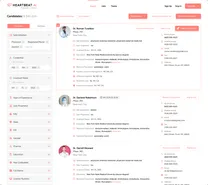
Heartbeat.ai maintains contact records for licensed healthcare professionals across the United States, including prescriptive nurses in South Dakota such as nurse practitioners, clinical nurse specialists, certified nurse midwives, and certified registered nurse anesthetists. Records typically include name, location, specialty, direct contact numbers, email address, license information, and affiliation details, which lets you filter down to the specific type of prescriptive nurse relevant to your outreach.
Who Uses a Prescriptive Nurse Contact List?
Recruiters, healthcare marketers, pharmaceutical and device companies, and medical staffing agencies are the most common users of this type of contact data. Non-profits running awareness or volunteer campaigns in the health sector also rely on similar lists, as do professionals building referral networks within their specialty.
Regardless of the use case, any outreach using this kind of contact data should follow applicable privacy and communications regulations. That means respecting opt-outs, avoiding deceptive messaging, and keeping communication relevant to the recipient’s professional role.
Getting More From a Contact List
A list is only as useful as the strategy behind it. A few practical habits make a real difference in response rates and long-term list quality:
- Segment by specialty and setting before sending anything, a nurse anesthetist and a psychiatric nurse practitioner respond to very different messaging.
- Keep messages short, specific, and clearly relevant to the recipient’s clinical role or professional interests.
- Track bounce and response rates so you can flag stale records back to your data provider rather than letting bad contacts sit in future campaigns.
- Time outreach around predictable low-availability periods, such as flu season or open enrollment, when clinical staff have less bandwidth to respond.
Available Prescriptive Nurse Contact Lists by State
Explore prescriptive nurse contact lists across other states in our network.
| Prescriptive nurse by states |
|---|
| Prescriptive nurse in Alabama |
| Prescriptive nurse in Alaska |
| Prescriptive nurse in Arizona |
| Prescriptive nurse in Arkansas |
| Prescriptive nurse in California |
| Prescriptive nurse in Colorado |
| Prescriptive nurse in Connecticut |
| Prescriptive nurse in Delaware |
| Prescriptive nurse in Florida |
| Prescriptive nurse in Georgia |
| Prescriptive nurse in Hawaii |
| Prescriptive nurse in Idaho |
| Prescriptive nurse in Illinois |
| Prescriptive nurse in Indiana |
| Prescriptive nurse in Iowa |
| Prescriptive nurse in Kansas |
| Prescriptive nurse in Kentucky |
| Prescriptive nurse in Louisiana |
| Prescriptive nurse in Maine |
| Prescriptive nurse in Maryland |
| Prescriptive nurse in Massachusetts |
| Prescriptive nurse in Michigan |
| Prescriptive nurse in Minnesota |
| Prescriptive nurse in Mississippi |
| Prescriptive nurse in Missouri |
| Prescriptive nurse in Montana |
| Prescriptive nurse in Nebraska |
| Prescriptive nurse in Nevada |
| Prescriptive nurse in New hampshire |
| Prescriptive nurse in New jersey |
| Prescriptive nurse in New mexico |
| Prescriptive nurse in New york |
| Prescriptive nurse in North carolina |
| Prescriptive nurse in North dakota |
| Prescriptive nurse in Ohio |
| Prescriptive nurse in Oklahoma |
| Prescriptive nurse in Oregon |
| Prescriptive nurse in Pennsylvania |
| Prescriptive nurse in Rhode island |
| Prescriptive nurse in South carolina |
| Prescriptive nurse in South dakota |
| Prescriptive nurse in Tennessee |
| Prescriptive nurse in Texas |
| Prescriptive nurse in Utah |
| Prescriptive nurse in Vermont |
| Prescriptive nurse in Virginia |
| Prescriptive nurse in Washington |
| Prescriptive nurse in West virginia |
| Prescriptive nurse in Wisconsin |
| Prescriptive nurse in Wyoming |
Limitations to Keep in Mind
No contact database is perfect. Providers change jobs, retire, or move states, and even well-maintained lists carry some lag between a change happening and a record being updated. Treat any purchased list as a strong starting point for outreach, not a guaranteed-accurate directory, and build in a process for reporting bad contacts back to your provider.
Frequently Asked Questions
What is a prescriptive nurse in South Dakota?
A prescriptive nurse in South Dakota is a registered nurse who has completed additional education and training to obtain prescriptive authority, allowing them to prescribe medications and treatments for patients.
How does one become a prescriptive nurse in South Dakota?
To become a prescriptive nurse in South Dakota, a registered nurse must complete a graduate-level advanced practice nursing program, obtain national certification in a specialized role such as nurse practitioner or clinical nurse specialist, and apply for and receive prescriptive authority from the South Dakota Board of Nursing.
What are the responsibilities of a prescriptive nurse in South Dakota?
The responsibilities of a prescriptive nurse in South Dakota include assessing patients, diagnosing medical conditions, developing treatment plans, prescribing medications, ordering diagnostic tests, and collaborating with other healthcare professionals to provide comprehensive care.