Last updated: August 28, 2026
Pediatric endocrinology is a narrow specialty, and most directories treat it as an afterthought inside broader endocrinology or pediatrics lists. If you’re trying to reach these specific clinicians for sales, recruiting, research, or partnership outreach, a generic list wastes time and budget on the wrong contacts.
This page covers what a usable pediatric endocrinologists email list should contain, how outreach data like this typically gets compiled, who actually uses it, and what to check before you buy one.

What’s on this page:
What’s in Heartbeat’s Pediatric Endocrinologists Email List

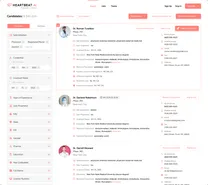
Heartbeat’s list of licensed pediatric endocrinologists is built to be filtered and segmented rather than used as one flat file. Here’s what’s included:
- Verified contact details: Names, direct emails, and phone numbers rather than generic practice-line numbers.
- Regularly refreshed records: Contact data changes as clinicians move between practices, so records are updated on an ongoing basis rather than pulled once and left static.
- Professional background: Credentials and career history alongside contact info, useful for qualifying who you’re actually reaching.
- State-level targeting: Filter by state or region for localized campaigns instead of blasting a national list.
- Specialty and experience tags: Helps you route outreach to the right sub-specialty rather than treating every pediatric endocrinologist the same.
Data Fields in the Pediatric Endocrinologists Mailing List
- Name
- Location
- Contact numbers (work, cell, mobile)
- Email address
- Specialization
- Years of experience
- Sole proprietor status
- Licensed states
- License number
- Fax
- Mailing address
 Accuracy & coverage of personal contact info were unrivaled by other platforms… this gives any healthcare recruiter a competitive advantage when engaging hard-to-reach healthcare providers.
Senior Growth Strategist






Why a Verified Pediatric Endocrinologists Database Matters

A stale or generic list creates real costs: bounced emails hurt sender reputation, mistargeted messages get ignored, and recruiters waste hours chasing contacts who’ve already left a practice. Here’s what a well-maintained list changes.
Targeted, Not Broadcast, Outreach
Filtering by sub-specialty and state means your message reaches the cohort actually likely to care, instead of a broad pediatrics list where most recipients aren’t relevant.
Higher Open and Response Rates
Accurate, current contact details mean fewer bounces and a better chance your message lands with the right person.
Leaner Marketing Spend
Every wasted send costs money and attention. A clean list cuts down on outreach aimed at people who were never going to respond.
Faster Recruiting Cycles
For hospitals and practices hiring pediatric endocrinology specialists, a searchable list shortens the time spent identifying and contacting candidates.
Stronger Professional Networks
Consistent access to accurate contacts supports longer-term relationship building, not just one-off campaigns.
Better Return on Spend
When outreach reliably reaches real, current contacts, the money behind that outreach works harder.
Consider exploring our additional departmental endocrinologist email lists, such as the endocrinologist nurses email list.
Pediatric Endocrinologists in Our Database, by Category
Pediatric endocrinology covers several distinct clinical focus areas. Segmenting by category lets you match your message to the right specialists instead of sending a one-size-fits-all pitch.
| Pediatric Endocrinologists by Category |
| Pediatric Diabetes Endocrinologists |
| Pediatric Growth Disorders Specialists |
| Pediatric Thyroid Disorders Specialists |
| Pediatric Adrenal Disorders Specialists |
| Pediatric Bone Metabolism Endocrinologists |
| Pediatric Puberty Disorders Specialists |
| Pediatric Lipid Disorders Specialists |
| Pediatric Hypoglycemia Specialists |
| Pediatric Obesity and Insulin Resistance Specialists |
| Pediatric Neuroendocrinology Specialists |
Pediatric Endocrinologists Available by State
If you need a directory organized by state, browse the full breakdown below covering all 50 states.
How This Data Gets Compiled

Building a usable pediatric endocrinologists list isn’t a one-time export from a single directory. It typically involves a few distinct steps:
Sourcing From Multiple Partners
Relying on a single directory limits coverage and accuracy. Pulling from a wide network of data partners and cross-checking records catches gaps that any one source would miss.
Applying Data Analysis for Verification
Automated analysis helps flag inconsistent or outdated entries before they reach the final list, rather than relying purely on manual review.
Categorizing by Sub-Specialty
Sorting contacts by clinical focus, such as diabetes or growth disorders, lets outreach be routed to the right professionals instead of a flat, undifferentiated list.
Following Legal and Privacy Standards
Data collection and handling need to respect applicable privacy regulations. This is a baseline requirement, not an added feature.
Ongoing Maintenance
Contact details go stale as clinicians change roles or practices. Regular revisions keep the list usable rather than letting it decay over time.
Why Consider Heartbeat’s Pediatric Endocrinologists Email Directory

Heartbeat’s pediatric endocrinologists mailing list is built through Heartbeat Prospector, which combines list access with prospecting tools.
Accuracy Across a Large Dataset
Heartbeat’s database covers over 11 million US healthcare professionals, with a reported accuracy rate of 92% for emails and 84% for cell phone numbers.
A Practical Prospecting Interface
The Heartbeat Prospector platform includes a Chrome extension for finding contacts on LinkedIn, Facebook, and across the web, which cuts down on manual lookup work.
Context, Not Just Contact Info
Records include background on specialization and professional history, which supports more relevant outreach than a bare list of names and addresses.
Privacy-Conscious Compilation
Data is compiled with attention to compliance and privacy standards relevant to healthcare outreach.
National and Local Reach
You can pull a national list or narrow to a single state or metro area depending on the campaign.
Ongoing Refresh Cycles
Records are updated regularly to reflect changes in contact details or professional roles.
What to Check Before Buying a Pediatric Endocrinologists Email List

A quick checklist before committing budget to any list:
Where does the data come from?
Reputable sources, such as medical directories, professional associations, and healthcare events, tend to produce more reliable records than scraped or unverified lists.
How detailed are the records?
Contact info alone isn’t enough. Look for specialization, experience level, and professional history so you can qualify contacts before reaching out.
Can you filter by your actual target audience?
If you can’t segment by location or sub-specialty, you’ll end up emailing people who have no reason to respond.
How often is it updated?
Stale lists degrade fast in healthcare, where professionals change practices and roles often. Ask how frequently records are refreshed.
Does the cost make sense against expected ROI?
A cheap list that bounces half its contacts costs more in wasted effort than a pricier, well-maintained one.
Who Typically Uses This Kind of List

A pediatric endocrinologists database gets used by a fairly specific set of organizations:
Pharmaceutical Companies
Targeting pediatric endocrinologists directly for information on drugs and therapies for children’s endocrine disorders, rather than a broad pediatrics blast.
Medical Device Manufacturers
Introducing products like glucose monitors or growth hormone delivery systems designed specifically for pediatric use.
Healthcare Marketing Agencies
Running campaigns on behalf of clients that need to reach this specific specialist audience.
Continuing Medical Education (CME) Providers
Notifying specialists about relevant courses, research updates, and clinical practice changes.
Research Institutions and Academia
Recruiting for clinical trials or sharing research findings with practicing specialists.
Healthcare Providers and Hospitals
Building referral networks or recruiting pediatric endocrinology specialists to fill open roles.
Healthcare Recruiters and HR Departments
Identifying and approaching candidates for open pediatric endocrinology positions.
Healthcare Policy Makers and Advocates
Consulting practicing specialists for input on policy affecting pediatric endocrine care.
Getting More Out of the List

Having accurate contacts is only half the equation. A few practical habits make outreach more effective:
Segment by Sub-Specialty
A message tailored to diabetes specialists will land differently than one aimed at growth disorder specialists. Don’t send the same email to both groups.
Lead With Something Useful
Clinical updates, new research, or relevant treatment news tend to get more engagement than a straight product pitch.
Personalize Beyond the First Name
Reference the recipient’s actual specialty or focus area where you can. It signals you’ve done some homework.
Respect Communication Standards
Follow applicable privacy regulations and obtain consent where required. This isn’t optional in healthcare outreach.
Track What’s Working
Open rates, click-throughs, and reply rates tell you whether your targeting and messaging are actually landing. Adjust based on what the data shows rather than guessing.
Bottom Line
An accurate, well-segmented pediatric endocrinologists email list saves time on outreach that would otherwise go nowhere. The value isn’t just in having contact details, it’s in having enough context to reach the right specialist with a relevant message.
Heartbeat AI provides access to this kind of data alongside prospecting tools for building and running campaigns.
FAQs
What is a pediatric endocrinologist’s email list?
It’s a curated collection of contact information for medical professionals who diagnose and treat hormonal issues affecting children.
Are there legal considerations when using a pediatric endocrinologist’s email list?
Yes. Outreach involving healthcare professionals should comply with applicable privacy and data protection regulations, such as HIPAA in the U.S., depending on how the data is used.
What is the potential ROI of using a pediatric endocrinologist’s email list?
It depends heavily on list quality and how well you target your messaging. A well-segmented list used with relevant, personalized outreach tends to produce better engagement than a broad, untargeted send.