Last updated: August 28, 2026
Roughly 5,000 clinical immunologists and allergists practice in the United States, based on workforce estimates commonly cited in specialty medical staffing research. That’s a small, specialized pool spread across every state, which makes locating the right contact for a given campaign, study, or hire genuinely difficult without a structured directory.
The real obstacle isn’t finding a list — it’s finding one that’s accurate, current, and specific enough to be useful. A directory padded with outdated titles or generic “immunologist” tags wastes outreach budget and damages sender reputation. This page covers what a clinical immunologists email list should contain, how to evaluate one, and how Heartbeat AI approaches list compilation.

What’s on this page:
About Heartbeat’s Clinical Immunologists Email List: What You Will Get

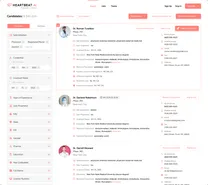
Heartbeat’s clinical immunologist data is built for teams that need to reach healthcare specialists across US states — recruiters, pharmaceutical and biotech marketers, conference organizers, and medical publishers among them.
- Broad coverage: contact records span numerous specialization areas and geographic markets rather than a single region or subspecialty.
- Actively maintained contact details: records are refreshed on an ongoing basis rather than compiled once and left static.
- Segmentation by criteria: lists can be filtered by location, specialization, and other fields so campaigns target a defined subset rather than an entire specialty.
- Professional context beyond contact info: profiles can include areas of expertise and professional affiliations to support more relevant messaging.
- Custom list building: lists can be scoped to a specific state, specialization, or combination of criteria depending on the campaign.
Types of Data Included in the Clinical Immunologists Mailing List
- Name
- Location
- Contact numbers (work, cell, mobile)
- Email address
- Specialization
- Years of experience
- Sole proprietor status
- Licensed states
- License number
- Fax
- Address
 Accuracy & coverage of personal contact info were unrivaled by other platforms… this gives any healthcare recruiter a competitive advantage when engaging hard-to-reach healthcare providers.
Senior Growth Strategist






Why a Verified List Matters for Outreach

A stale or generic mailing list creates two problems at once: it wastes outreach budget on bounced or ignored messages, and it can quietly damage your domain’s sender reputation with email providers. A current, specialty-specific list avoids both.
Targeted Outreach
Messages sent to verified clinical immunologists are inherently more relevant than mass healthcare blasts, which improves the odds a recipient actually reads what you send.
Higher Engagement
Accurate, role-specific contact data tends to produce better open and response rates than broad, unsegmented lists, simply because the audience matches the message.
Lower Cost Per Contact
Fewer bounces and fewer wasted sends mean your marketing spend goes further — this matters especially for smaller specialties like clinical immunology, where the total addressable audience is limited.
Stronger Brand Perception
Relevant, well-targeted communication reads as professional. Scattershot emails to mismatched specialties read as spam, even when the underlying offer is legitimate.
Direct Access
Skipping gatekeepers and general practice inboxes lets you reach the specific decision-maker or clinician relevant to your outreach.
Clinical Immunologists in Our Database, by Category
The specialty spans several sub-focuses, and a useful list should let you filter by them rather than treating all immunologists as one undifferentiated group.
| Clinical Immunologists by Category |
| Allergy and Immunology Specialists |
| Autoimmune Disease Specialists |
| Clinical Laboratory Immunologists |
| Pediatric Immunologists |
| Transplant Immunologists |
| HIV/AIDS Specialists |
| Immunodermatologists |
Available Clinical Immunologists in Our Email List by State
How Data Is Compiled Into a Clinical Immunologists Mailing List

Building a usable specialty list is less about volume and more about process discipline. Heartbeat’s approach follows a few consistent steps:
Collection From Multiple Sources
Records are aggregated from healthcare registries, professional associations, and medical conferences rather than pulled from a single database, which reduces blind spots in coverage.
Cleaning and Deduplication
Outdated or incorrect entries are removed and duplicate records are consolidated, since a list padded with duplicates inflates apparent size without adding real reach.
Organization by Specialization
Records are tagged by specialization and experience level so campaigns can filter down to a relevant subset instead of the entire clinical immunology field.
Privacy and Compliance Standards
Compilation and management processes are built around privacy and consent standards relevant to healthcare contact data.
Ongoing Maintenance
Because contact details, roles, and specializations change over time, lists are revised periodically rather than treated as a one-time snapshot.
Why Consider Heartbeat AI’s Clinical Immunologists Mailing List

Heartbeat Prospector bundles several features relevant to outreach into clinical immunology and broader healthcare specialties.
Accuracy and Current Information
Heartbeat’s database covers over 11 million US healthcare professionals, with a stated accuracy rate of 92% for emails and 84% for cell phone numbers.
Ease of Use
The Prospector platform includes a Chrome extension that extends search across LinkedIn, Facebook, and the open web, which is useful for verifying a contact before you send anything.
Professional Context, Not Just Contact Info
Profiles can include background on areas of expertise, supporting more personalized outreach than a bare name-and-email row.
Compliance and Privacy Focus
List compilation follows privacy and compliance practices intended to keep outreach respectful of healthcare data norms.
National Reach, Local Targeting
Coverage spans a wide network of clinical immunologists, supporting both narrow, single-market campaigns and broader national outreach.
Ongoing Refresh Cycle
Data updates on a rolling basis, which matters given how often contact details and professional roles shift within a small specialty like clinical immunology.
What to Check Before Buying a Clinical Immunologists Email List

Use this as a quick evaluation checklist rather than treating every provider claim at face value:
Source Integrity
Confirm the directory draws from credible sources — medical directories, professional healthcare associations, or established data providers — rather than scraped, unverified web data.
Data Accuracy and Validation
Ask how often records are validated. A list that hasn’t been touched in a year will have meaningfully higher bounce rates than one refreshed on a rolling basis.
Customization Options
Check whether you can filter by location, specialization, and years of practice, or whether you’re stuck buying the entire specialty as one block.
Privacy Law Alignment
Verify that data collection methods are consistent with relevant privacy regulations such as HIPAA, GDPR, or CCPA depending on your operating region.
Segmentation for Targeting
A list you can’t segment is a list you’ll end up emailing indiscriminately — segmentation is what makes targeted marketing possible in the first place.
Update Frequency and Delivery
Ask directly how often the file refreshes and how it’s delivered, since this affects how you plan campaign timing.
CRM Integration
If you plan to load contacts into an existing CRM or marketing tool, confirm format compatibility and any usage restrictions upfront.
Transparent Pricing
Look for clear terms with no hidden per-record or per-export fees buried in fine print.
Support Responsiveness
Test how quickly the provider responds to a pre-sale question — it’s a reasonable proxy for post-sale support quality.
Who Typically Uses a Clinical Immunologists Database

- Immunotherapy and vaccine suppliers reaching prescribers and clinical decision-makers.
- Pharmaceutical companies marketing treatments for immune system disorders.
- Healthcare recruitment agencies filling clinical immunology roles.
- Medical publishers distributing journals or educational materials on immunology.
- Conference and workshop organizers in immunology and vaccine research.
- Biotechnology firms developing diagnostics or treatments for immune conditions.
- Research and academic institutions running trials or educational programs.
- Healthcare IT and software developers building tools for immunology practices.
- Professional associations offering networking and continuing education.
- Hospitals and clinics hiring or collaborating with immunology specialists.
How to Use a Clinical Immunologists Email List Effectively

Owning the list is the easy part. What you do with it determines whether it’s worth the spend.
Understand the Audience
Clinical immunologists face different day-to-day pressures than, say, primary care physicians. Messaging that ignores this distinction reads as generic and gets ignored.
Segment Before You Send
Group contacts by location, specialization, or experience level so each send is relevant to the group receiving it, not a one-size-fits-all blast.
Personalize the Message
Basic personalization — name, specialty reference, relevant context — measurably improves engagement over generic templates.
Lead With Useful Content
Research summaries, industry updates, or professional development resources tend to perform better than pure sales pitches.
Be Specific About the Value
If your product or service solves a concrete problem for immunology practices, say so directly rather than relying on vague benefit language.
Use Time-Limited Offers Sparingly
Exclusive access or discounts can drive action, but overuse trains recipients to ignore your emails until there’s a deal.
Host Educational Sessions
Webinars or workshops on relevant topics build credibility more effectively than repeated cold outreach.
Make Replying Easy
Invite questions and respond quickly — slow follow-up undoes the trust built by a good first email.
Watch Send Frequency
Too many emails burn out even a well-targeted list. Space sends deliberately.
Stay Within Legal Boundaries
Marketing practices should comply with relevant privacy and communication laws, including CCPA and HIPAA, with proper consent obtained where required.
Track and Adjust
Monitor open, click, and reply rates, and use that data to refine subject lines, timing, and content going forward.
Combine Channels
Pairing email with LinkedIn outreach or direct mail tends to outperform email alone, particularly for higher-value B2B offers.
Bottom Line
A dependable clinical immunologists email list comes down to three things: source integrity, update frequency, and segmentation options. Skip any of the three and outreach performance suffers, regardless of how large the list claims to be.
Heartbeat AI provides clinical immunology contact data built around these criteria, aimed at helping teams reach the right professionals in this specialty without wasting outreach budget on stale records.
FAQs
What is a clinical immunologist’s email list?
It’s a curated collection of email addresses and contact details for clinical immunologists — physicians who diagnose and treat immune system disorders.
Is the email list compliant with privacy regulations?
Reputable providers structure their data practices around laws such as GDPR, HIPAA, or CCPA. Confirm this directly with any provider before purchase.
Can I customize the list based on specific criteria?
Most providers allow segmentation by location, specialization, years of experience, and similar filters so you can target a defined subset rather than the entire specialty.