Last updated: August 30, 2026
If you sell into clinical nutrition, recruit dietetics talent, or run outreach for a nutrition-related product, you already know the hard part isn’t writing the message. It’s finding a working email address for the right person. Clinical nutritionists split time across hospitals, outpatient clinics, private practice, and academic settings, and their contact details change jobs and license status more often than a static directory can track.
This page explains what a clinical nutritionists email list typically includes, how a data provider like Heartbeat compiles and maintains one, and what to check before you commit budget to any list — whether it comes from Heartbeat or elsewhere.

What’s on this page:
What’s Included in Heartbeat’s Clinical Nutritionists Email List

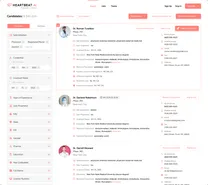
A usable list needs more than a name and an email address. Here’s what to expect from a clinical nutritionists dataset built for outreach:
- Detailed contact information: Email addresses, phone numbers, and mailing addresses for licensed clinical nutritionists.
- Segmentation options: Filter by location, specialization, years of experience, and institutional affiliation so you’re not sending one generic message to everyone.
- Refresh cycles: Contact data decays as people change roles, so lists need periodic updates rather than a one-time export.
- Broad coverage: Records spanning multiple regions and institutions, not just a single state or health system.
- Custom pulls: The ability to narrow a list to a specific demographic or practice type instead of buying an entire national file.
Data Fields Typically Included
- Name
- Location
- Contact numbers (work, cell, mobile)
- Email address
- Specialization
- Years of experience
- Sole proprietor status
- Licensed states
- License number
- Fax
- Address
 Accuracy & coverage of personal contact info were unrivaled by other platforms… this gives any healthcare recruiter a competitive advantage when engaging hard-to-reach healthcare providers.
Senior Growth Strategist





Why a Verified List Matters More Than a Big List

A large file of scraped addresses looks impressive until you send to it. Volume without accuracy just produces bounces and spam complaints. A well-maintained clinical nutritionist list earns its value in a few specific ways:
Refined targeting
A specialized database lets you reach clinical nutritionists directly instead of guessing at job titles inside a general healthcare list. Narrowing the audience means your message actually matches the reader’s day-to-day work.
Better engagement
Accurate, current contact data means fewer bounces and more opens. When emails land with the right person, replies and click-throughs follow.
Lower cost per qualified contact
Sending to a smaller, accurate list usually beats blasting a large, unverified one — you spend less chasing dead addresses and more reaching people who can actually respond.
Fewer deliverability problems
Sending to outdated or invalid addresses damages sender reputation over time. Clean lists protect your domain’s standing with email providers.
Room for personalization
Once you know a contact’s specialization and setting, it’s easier to write something relevant instead of a generic pitch, which tends to land better with clinical audiences.
Clinical Nutritionist Categories You’ll Find in the Database
Clinical nutrition covers several distinct practice areas. A usable list should let you filter by category rather than treating every contact the same way.
| Clinical Nutritionists By Categories |
| Registered Dietitian Nutritionist (RDN) |
| Clinical Nutrition Specialist (CNS) |
| Certified Nutrition Support Clinician (CNSC) |
| Certified Diabetes Care and Education Specialist (CDCES) |
| Sports Dietitian |
| Pediatric Nutritionist |
| Geriatric Nutritionist |
| Oncology Nutritionist |
| Renal Nutritionist |
| Eating Disorder Specialist |
Clinical Nutritionists by State
Browse state-level pages for clinical nutritionist contact data across the U.S.
How Heartbeat Compiles the Data

Sourced from reliable professional channels
Data comes from data partners and reputable industry sources, including medical directories, professional associations, and relevant healthcare events, rather than a single unverified scrape.
Email verification
Each email goes through a verification step to confirm it’s valid and deliverable, which reduces bounce rates before you even send your first campaign.
Data cleaning and deduplication
Records get cleaned and checked for duplicates so you’re not paying for or emailing the same contact twice under slightly different details.
Regular updates
Contact information is refreshed periodically to reflect job changes, license updates, or new affiliations — a static list from two years ago won’t reflect today’s workforce.
Consent-based collection
Information is gathered with attention to consent and privacy, which matters both ethically and for staying compliant with anti-spam regulations.
Choosing Heartbeat vs. a Generic Data Broker

Not every provider treats healthcare contact data the same way. Here’s what tends to separate a purpose-built healthcare data platform from a generic list broker:
Database breadth
Heartbeat’s database covers over 11 million U.S. healthcare professionals, including clinical nutritionists, dietitians, nurses, and other providers, so you’re not locked into a narrow niche file.
Verification and accuracy checks
Records go through validation on both mobile numbers and email addresses before they reach a customer list. Ask any provider — including Heartbeat — for their current accuracy methodology and match rates before you buy, since these figures can change as databases are refreshed.
Specialization-level search
The Heartbeat Prospector tool lets you filter for clinical nutritionists by area of specialization instead of pulling a flat, unsegmented list.
Chrome extension for live research
The Chrome Extension lets you pull contact details while browsing platforms like LinkedIn, which is useful when you’re prospecting one contact at a time rather than running a bulk campaign.
Integration and bulk options
Bulk file enrichment and API access support larger campaigns where you’re appending data to an existing CRM list rather than starting from scratch.
Pricing flexibility
Several pricing options exist for individuals, small teams, and larger organizations, so the entry cost scales with how much data you actually need.
Checklist: What to Verify Before You Buy a List

- Refresh cadence: Ask how often records are updated. A list that hasn’t been touched in a year will have noticeably higher bounce rates.
- Cleaning process: Confirm the provider removes duplicate and invalid entries rather than shipping a raw export.
- Segmentation depth: Check whether you can filter by specialty, location, and experience level, or whether you’re stuck with one flat file.
- Compliance posture: Ask how the data was collected and whether it aligns with consent and privacy expectations for your outreach channel.
- Fit for your actual audience: A huge national list is wasted spend if your campaign only targets nutritionists in three states.
Who Typically Uses This Kind of Database

Healthcare marketing agencies
Agencies build targeted campaigns aligned with the interests and specialties of clinical nutritionists rather than a generic healthcare blast.
Medical equipment and supplement suppliers
Suppliers reach clinical nutritionists directly to introduce dietary supplements or medical devices relevant to their practice.
Pharmaceutical companies
Pharma teams inform clinical nutritionists about new treatments or clinical trials related to nutritional health.
Educational institutions
Universities and training organizations promote continuing education, workshops, or certification programs in nutrition.
Research organizations
Research groups recruit clinical nutritionists for studies, clinical trials, or surveys tied to dietary health.
Healthcare providers and health systems
Hospitals and clinics use the data for recruiting clinical nutritionists or building professional networks.
Government agencies
Public health and regulatory bodies use the data to communicate with clinical nutritionists on policy or program initiatives.
How to Get the Most Out of the List Once You Have It

Keep the tone professional
Clinical nutritionists are busy clinicians. A respectful, direct tone that acknowledges their expertise lands better than an overly casual pitch.
Track what’s working
Watch open rates, click-throughs, and reply rates so you can adjust subject lines and messaging over time instead of guessing.
Lead with something useful
Industry updates, relevant research, or practical resources build more trust than a straight sales pitch on the first touch.
Personalize where it counts
Referencing a recipient’s specialty or setting, rather than sending one generic template to the whole list, tends to raise engagement.
Write subject lines that set expectations
Clear, specific subject lines that reflect the actual content of the email outperform vague or clickbait-style lines over time.
Bottom Line
A clinical nutritionist email list is only as useful as its accuracy and how well it matches your actual target audience. Segmentation, verification, and update frequency matter more than raw contact count. Heartbeat’s clinical nutritionists data is built around those criteria, with tools to narrow the list to the specialization and geography that fit your campaign.
FAQs
What is a clinical nutritionist’s email list?
It’s a database of contact information — typically email, phone, and mailing address — for professionals specializing in clinical nutrition and dietetics.
How is it used for marketing?
Marketers send targeted promotional materials, educational resources, product information, or event invitations tailored to clinical nutritionists’ specialties and interests.
Can the list be segmented?
Yes. Heartbeat offers segmentation by specialty area, geographic location, years of experience, and other relevant factors so outreach can be planned more precisely.