Last updated: August 30, 2026
Georgia has a large and varied oncology workforce, spread across major systems like Emory Healthcare, Piedmont Healthcare, and Cancer Treatment Centers of America in Atlanta, plus independent practices and community cancer centers throughout the state. For anyone doing healthcare recruiting, medical sales, or professional outreach, the hard part usually isn’t finding an oncologist’s name — it’s finding a working phone number or email that hasn’t gone stale.
This page covers what the oncology landscape in Georgia looks like, why accurate contact data matters more than it seems, and how a curated contact database like Heartbeat’s can shorten the time it takes to reach the right specialist.
What’s on this page:
Get an Email List of Oncologists in Georgia from Heartbeat
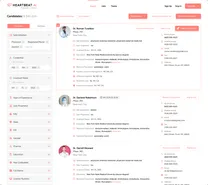
Heartbeat.ai’s database covers licensed healthcare professionals across the United States, including oncologists practicing in Georgia. You can filter by specialty, location, and other criteria to build a list that matches your outreach goals instead of manually searching hospital directories one by one.
The database includes several oncology subspecialties, each relevant to different outreach purposes:
- Medical oncologists — treat cancer using chemotherapy and other systemic medications
- Surgical oncologists — perform tumor-removal surgeries
- Radiation oncologists — plan and deliver radiation therapy
- Gynecologic oncologists — treat cancers of the female reproductive system
- Pediatric oncologists — treat cancer in children
- Hematologist-oncologists — treat blood cancers and blood disorders related to cancer
Whether you work in recruiting, pharmaceutical sales, clinical research, or medical device outreach, knowing which subspecialty you’re targeting matters as much as having a name and a phone number — a message meant for a surgical oncologist will land differently with a pediatric oncologist.
Oncology Care in Georgia: A Quick Overview
Georgia’s oncology care is anchored by a mix of large academic systems and community-based practices. Emory Healthcare operates one of the state’s most comprehensive cancer programs, while Piedmont Healthcare has built a reputation around translational cancer research. Cancer Treatment Centers of America’s Atlanta location adds another option focused on integrative, personalized treatment planning.
Beyond these flagship systems, Georgia has a substantial number of independent oncology practices and regional cancer centers, particularly in and around Atlanta, Savannah, and Augusta. Coverage thins out considerably in rural parts of the state, which shapes both patient access and how recruiters and vendors should think about outreach strategy — a list built only around metro-area hospitals will miss a meaningful share of practicing oncologists.
Why Accurate Contact Information Matters
Bad contact data isn’t just an inconvenience — it has real downstream costs depending on who’s using it.
- Patients and caregivers need a reliable way to reach their oncology team for scheduling, urgent questions, or treatment plan clarifications. A disconnected line or bounced email can delay care.
- Recruiters and hospital systems lose time and credibility when outreach bounces back or reaches the wrong person, slowing down hiring for open oncology positions.
- Referring physicians and researchers rely on direct lines to colleagues for case consultations, second opinions, or collaborative research — delays here can affect care coordination.
In each case, the underlying problem is the same: contact data that hasn’t been verified or updated recently creates friction at exactly the moment when speed matters.
Common Challenges in Finding an Oncologist in Georgia
A few structural factors make locating the right oncologist in Georgia harder than it should be:
- Geographic spread — Georgia is a large state with uneven distribution of specialists between urban and rural areas.
- Subspecialty variation — not every oncologist treats every cancer type, so a generic search often surfaces the wrong fit.
- Provider scarcity in some regions — rural counties may have limited or no local oncology coverage, pushing patients toward longer travel times.
- Appointment wait times — high patient volume at major cancer centers can extend the time between referral and first consultation.
Some of these gaps are being addressed through telehealth, which allows remote consultations and follow-ups for patients who can’t easily travel to a major center, and through better use of provider databases that let patients and professionals filter by specialty and location instead of relying on word of mouth. Neither fully solves the rural access problem, but both reduce friction compared to a decade ago.
What’s Included in Heartbeat’s Oncologist Contact Data
Heartbeat’s oncologist contact records are built to support recruiting, sales, and professional outreach with verified, structured fields rather than a static directory listing:
- Oncologist name
- Location
- Contact numbers (work, cell, mobile)
- Email address
- Specialization
- Years of experience
- Sole proprietor status
- Licensed states
- License number
- Fax
- Address
Available Oncologist Contact Lists by State
Heartbeat maintains oncologist contact lists across every U.S. state, including Georgia.
| Oncologist by states |
|---|
| Oncologist in Alabama |
| Oncologist in Alaska |
| Oncologist in Arizona |
| Oncologist in Arkansas |
| Oncologist in California |
| Oncologist in Colorado |
| Oncologist in Connecticut |
| Oncologist in Delaware |
| Oncologist in Florida |
| Oncologist in Georgia |
| Oncologist in Hawaii |
| Oncologist in Idaho |
| Oncologist in Illinois |
| Oncologist in Indiana |
| Oncologist in Iowa |
| Oncologist in Kansas |
| Oncologist in Kentucky |
| Oncologist in Louisiana |
| Oncologist in Maine |
| Oncologist in Maryland |
| Oncologist in Massachusetts |
| Oncologist in Michigan |
| Oncologist in Minnesota |
| Oncologist in Mississippi |
| Oncologist in Missouri |
| Oncologist in Montana |
| Oncologist in Nebraska |
| Oncologist in Nevada |
| Oncologist in New hampshire |
| Oncologist in New jersey |
| Oncologist in New mexico |
| Oncologist in New york |
| Oncologist in North carolina |
| Oncologist in North dakota |
| Oncologist in Ohio |
| Oncologist in Oklahoma |
| Oncologist in Oregon |
| Oncologist in Pennsylvania |
| Oncologist in Rhode island |
| Oncologist in South carolina |
| Oncologist in South dakota |
| Oncologist in Tennessee |
| Oncologist in Texas |
| Oncologist in Utah |
| Oncologist in Vermont |
| Oncologist in Virginia |
| Oncologist in Washington |
| Oncologist in West virginia |
| Oncologist in Wisconsin |
| Oncologist in Wyoming |
How This Data Is Compiled
Heartbeat’s oncologist contact records are aggregated from over 200 official, private, and public data sources covering U.S. healthcare providers, then cross-referenced and refreshed on an ongoing basis rather than pulled from a single static directory. The goal is to reduce the two most common problems with provider contact lists: outdated numbers and mismatched specialties.
Before buying or using any provider contact list, it’s worth checking a few things regardless of the vendor:
- How recently was the data verified?
- Does the list distinguish between subspecialties, or just label everyone “oncologist”?
- Are both cell numbers and emails included, or just one channel?
- Is there a process for flagging or replacing bad contacts after purchase?
Who Uses Oncologist Contact Lists
Oncologist contact data gets used by a wider range of people than you’d initially guess:
- Healthcare recruiters filling open oncology positions
- Pharmaceutical and medical device sales teams
- Clinical researchers recruiting sites or investigators
- Marketing teams building targeted campaigns for oncology-specific products or services
- Nonprofit and advocacy organizations coordinating with specialists
Using an Oncologist Contact List Effectively
A purchased contact list is only as useful as the outreach built around it. A few practical guidelines:
- Segment by subspecialty before sending anything — a message to a radiation oncologist should read differently than one to a pediatric oncologist.
- Keep initial outreach short and specific about why you’re reaching out; oncologists are busy and generic pitches get ignored.
- Respect opt-outs and privacy preferences immediately — this matters both for compliance and for protecting your sender reputation.
- Refresh or re-verify contact data periodically rather than treating a one-time purchase as permanent.
None of this replaces good judgment about when and how to contact a medical professional, but it does reduce wasted outreach on dead numbers and inboxes.
Conclusion
Georgia’s oncology landscape spans large academic health systems, community practices, and a meaningful rural access gap. For recruiters, sales teams, and researchers trying to reach oncologists directly, the practical bottleneck is almost always data quality rather than provider availability. A well-maintained contact database narrows that gap by keeping specialty, location, and contact details current and searchable.
Frequently Asked Questions
What is an oncologist?
An oncologist is a medical doctor who specializes in the prevention, diagnosis, and treatment of cancer.
How can I find an oncologist in Georgia?
You can find an oncologist in Georgia through online provider directories, referrals from a primary care doctor, or by contacting local hospitals and cancer centers directly.
What services do oncologists in Georgia provide?
Oncologists in Georgia provide services such as cancer screening, diagnosis, staging, treatment planning, chemotherapy, radiation therapy, immunotherapy, targeted therapy, and palliative care coordination.
What should I consider when choosing an oncologist in Georgia?
Relevant factors include board certification, specific experience with your cancer type, hospital affiliation, and proximity, since travel distance affects how manageable ongoing treatment will be.