Last updated: August 28, 2026

Finding accurate contact details for maxillofacial surgeons one by one is slow work, especially if you’re trying to reach a specific subspecialty or region. A purpose-built email list cuts that research time down considerably, giving sales, recruiting, and outreach teams a starting point instead of a blank search bar.
Heartbeat.ai maintains a database of maxillofacial surgeon contacts that’s checked and refreshed on an ongoing basis. Below is what’s included, how the data is put together, and what to weigh before you commit to any provider — not just this one.
What’s on this page:
What’s Included in Heartbeat’s Maxillofacial Surgeon Email Lists

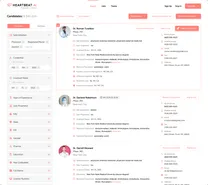
Here’s what you can expect from Heartbeat’s records on maxillofacial surgeons:
- Detailed professional information: each entry includes background details that help you tailor outreach rather than send generic blasts.
- Broad coverage: the list spans a wide range of maxillofacial surgeons across the country, not just a handful of major markets.
- Regular updates: contact records are refreshed on an ongoing basis rather than compiled once and left static.
- Deliverability focus: data hygiene practices are aimed at keeping bounce rates low so your messages actually land.
Data Fields Typically Included
- Name
- Location
- Contact numbers (work, cell, mobile)
- Email address
- Specialization
- Years of experience
- Sole proprietor status
- Licensed states
- License number
- Fax
- Address
 Accuracy & coverage of personal contact info were unrivaled by other platforms… this gives any healthcare recruiter a competitive advantage when engaging hard-to-reach healthcare providers.
Senior Growth Strategist






Why a Verified List Matters
A clean, current mailing list of maxillofacial surgeons does more than save time — it changes what’s possible with your outreach.

Networking Opportunities
Access to a reliable list opens doors to connect with maxillofacial surgery specialists for collaborations, referrals, or industry insight.
Referral Coordination
Accurate contact records help healthcare professionals route patients to the right specialist faster, which matters when timing affects outcomes.
Better-Targeted Outreach
Accurate segmentation lets you tailor messages to a surgeon’s subspecialty or location instead of sending one message to everyone on the list.
Data Quality and Compliance
Working from an up-to-date, lawfully sourced list helps you stay aligned with data protection expectations and avoid wasted sends to bad addresses.
Maxillofacial Surgeon Categories in Our Database
The directory covers surgeons across a range of subspecialties within maxillofacial surgery.
| Maxillofacial Surgeon Categories |
| Oral and Maxillofacial Surgeons |
| Craniofacial Surgeons |
| Orthognathic Surgeons |
| Reconstructive Surgeons |
| Trauma Surgeons |
| Temporomandibular Joint (TMJ) Surgeons |
| Head and Neck Oncologic Surgeons |
| Facial Plastic and Reconstructive Surgeons |
| Pediatric Maxillofacial Surgeons |
| Dental Implant Surgeons |
Maxillofacial Surgeon Contacts by State
Records are organized by state, so you can pull a regional list without sorting through the full national database.
| Maxillofacial Surgeon By States |
| Maxillofacial Surgeon in Alabama |
| Maxillofacial Surgeon in Alaska |
| Maxillofacial Surgeon in Arizona |
| Maxillofacial Surgeon in Arkansas |
| Maxillofacial Surgeon in California |
| Maxillofacial Surgeon in Colorado |
| Maxillofacial Surgeon in Connecticut |
| Maxillofacial Surgeon in Delaware |
| Maxillofacial Surgeon in Florida |
| Maxillofacial Surgeon in Georgia |
| Maxillofacial Surgeon in Hawaii |
| Maxillofacial Surgeon in Idaho |
| Maxillofacial Surgeon in Illinois |
| Maxillofacial Surgeon in Indiana |
| Maxillofacial Surgeon in Iowa |
| Maxillofacial Surgeon in Kansas |
| Maxillofacial Surgeon in Kentucky |
| Maxillofacial Surgeon in Louisiana |
| Maxillofacial Surgeon in Maine |
| Maxillofacial Surgeon in Maryland |
| Maxillofacial Surgeon in Massachusetts |
| Maxillofacial Surgeon in Michigan |
| Maxillofacial Surgeon in Minnesota |
| Maxillofacial Surgeon in Mississippi |
| Maxillofacial Surgeon in Missouri |
| Maxillofacial Surgeon in Montana |
| Maxillofacial Surgeon in Nebraska |
| Maxillofacial Surgeon in Nevada |
| Maxillofacial Surgeon in New Hampshire |
| Maxillofacial Surgeon in New Jersey |
| Maxillofacial Surgeon in New Mexico |
| Maxillofacial Surgeon in New York |
| Maxillofacial Surgeon in North Carolina |
| Maxillofacial Surgeon in North Dakota |
| Maxillofacial Surgeon in Ohio |
| Maxillofacial Surgeon in Oklahoma |
| Maxillofacial Surgeon in Oregon |
| Maxillofacial Surgeon in Pennsylvania |
| Maxillofacial Surgeon in Rhode Island |
| Maxillofacial Surgeon in South Carolina |
| Maxillofacial Surgeon in South Dakota |
| Maxillofacial Surgeon in Tennessee |
| Maxillofacial Surgeon in Texas |
| Maxillofacial Surgeon in Utah |
| Maxillofacial Surgeon in Vermont |
| Maxillofacial Surgeon in Virginia |
| Maxillofacial Surgeon in Washington |
| Maxillofacial Surgeon in West Virginia |
| Maxillofacial Surgeon in Wisconsin |
| Maxillofacial Surgeon in Wyoming |
How the Data Gets Compiled

Sourcing and Aggregation
Data is pulled from a wide network of data partners, including medical databases, professional registries, and healthcare directories, which helps avoid the blind spots of relying on a single source. See the data methodology page for more detail.
Machine Learning for Accuracy
Automated matching and classification tools help sort records by specialty and flag inconsistencies that a manual process would likely miss at scale.
Verification
Records go through a validation step before they’re published, cross-checking details rather than publishing raw scraped data as-is.
Privacy and Legal Compliance
Data handling is built around HIPAA and applicable US privacy standards, which matters if you’re a covered entity or working with one on outreach.
Ongoing Maintenance
The database is updated on a rolling basis, replacing stale entries so the list reflects current, practicing professionals rather than a frozen snapshot.
Why Choose Heartbeat.ai’s Maxillofacial Surgeon Mailing List

Specialized Search
You can filter by specialty and subspecialty instead of sorting through a generic surgeon list by hand.
Direct Contact Access
Email addresses and cell numbers are available directly on the platform, cutting out the extra step of chasing down contact info elsewhere.
Bulk List Building
Building a list of dozens or hundreds of contacts is a platform task rather than a manual export-and-clean job.
Team Collaboration
Teams can share access and manage who sees what, which matters for larger outreach or recruiting groups working the same territory.
Diversity Filters
Filters are available to help build a candidate pool that reflects diversity and inclusion goals where that’s part of your recruiting criteria.
What to Check Before You Buy Any Surgeon Email List

Privacy Law Compliance
Confirm the provider’s data collection and handling practices line up with HIPAA in the US or GDPR if you’re operating in Europe. Getting this wrong carries legal and reputational risk.
Accuracy and Currency
Ask how often records are refreshed. A list that’s a year old will have a noticeably higher bounce rate than one updated monthly.
Segmentation Options
Check whether you can filter by location, experience, or specialty. Sending one message to an entire unsegmented list usually underperforms targeted sends.
Ethical Use
Have a clear reason for the outreach — research, recruiting, education, or a relevant product — rather than sending volume for its own sake.
Data Source Transparency
A provider that can explain where its data comes from is generally a safer bet than one that’s vague about sourcing.
Who Typically Uses This Kind of List

Medical Device Manufacturers
Sales teams selling craniofacial implants, surgical instruments, or prosthetics use these lists to reach the surgeons who actually purchase or specify that equipment.
Dental Supply Providers
Vendors selling specialized equipment can reach maxillofacial surgeons directly rather than going through general dental distribution channels.
Dental Laboratories
Labs building custom prosthetics and appliances often need a direct line to the surgeons who will use them in procedures.
Medical Research Institutions
Researchers recruiting participants for clinical trials or studies related to maxillofacial surgery can use the list to identify relevant specialists.
Continuing Education Providers
Organizations running CE courses use the list to market programs to surgeons looking to expand their skills.
Professional Associations
Associations use contact lists to keep members informed about industry developments and upcoming events.
How to Get More Out of a Maxillofacial Surgeon Email List

- Segment first. Split the list by location, specialty, or engagement level before you send anything.
- Personalize. Use names and specifics relevant to the recipient’s practice rather than generic phrasing.
- Write specific subject lines. Vague subject lines get ignored; specific ones get opened.
- Lead with useful content. Share something the surgeon would find relevant to their work, not just a pitch.
- Include one clear call-to-action. Whether it’s a consultation request or a resource download, don’t make people guess what to do next.
- Track results and adjust. Open rates, click rates, and reply rates tell you what’s working; use them to refine future sends instead of repeating the same approach.
Conclusion
A maxillofacial surgeon email list is only as useful as the process behind it — sourcing, verification, and how often it’s refreshed all matter more than the raw contact count. Heartbeat.ai builds its list around those factors, with search filters, bulk list building, and team tools layered on top for outreach and recruiting workflows.
Frequently Asked Questions
Can I integrate a maxillofacial surgeon email list with my CRM?
Most modern contact lists are formatted to import cleanly into common CRM systems, which makes campaign management more straightforward.
What are the risks of using an outdated list?
An outdated list tends to produce high bounce rates, wasted sends, and can damage your sender reputation with email providers over time.
How do I make outreach to maxillofacial surgeons more effective?
Personalize the message, keep the content genuinely relevant to their specialty, and use subject lines that avoid overly promotional language.