What’s on this page:
Key takeaways
- A hospice and palliative care contact list is most useful when it is current and segmented for the intended audience.
- Before buying a list, ask about its sources, verification process, update frequency, filters, and permitted uses.
- Contact records can still be outdated or invalid even when a provider describes them as verified.
- Target outreach by role and care setting, and make each message relevant to its recipients.
- Check which privacy and anti-spam requirements apply to your organization and campaign.
Last updated: August 28, 2026
Hospice and palliative care providers can be difficult to reach through generic outreach lists. Titles vary, many clinicians split time between facility and home visits, and smaller hospice organizations may not publish direct contact details online. A purpose-built hospice and palliative care email list can help with sourcing, but its usefulness depends on current data and appropriate segmentation.
The number of U.S. hospice and palliative care providers is described as rising, but estimates vary by how the sector is defined and measured. Industry estimates cited here range from roughly 6,700 to over 9,000 businesses. Because the count and growth rate depend on the underlying definition and data, treat these figures as estimates. Static or infrequently refreshed lists can also become outdated.
About Heartbeat’s Hospice and Palliative Care Email Lists: What You Will Get

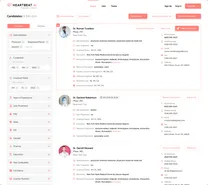
Heartbeat’s hospice and palliative care database is built around a few core capabilities:
- Comprehensive contact information: names, emails, phone numbers, and postal addresses for hospice and palliative care professionals.
- Customization options: filter by location, specialty, or institution so you’re not paying for contacts outside your target market.
- Verified data: records are checked and refreshed on a regular basis to reduce bounce rates and wasted outreach.
- Multi-channel support: the same underlying data works for email, direct mail, and telemarketing campaigns.
- Privacy compliance: data handling follows GDPR and HIPAA requirements relevant to healthcare contact data.
Types of Data Included in Hospice and Palliative Care Email Lists
- Name of the hospice or palliative care professional
- Location
- Contact numbers (work, cell, mobile)
- Email address
- Specialization
- Years of experience
- Sole proprietor status
- Licensed states
- License number
- Fax
- Address
 Accuracy & coverage of personal contact info were unrivaled by other platforms… this gives any healthcare recruiter a competitive advantage when engaging hard-to-reach healthcare providers.
Senior Growth Strategist






Benefits of Using a Valid Hospice and Palliative Care Mailing List

Streamlining Patient Referrals
A verified contact list may help providers connect patients with an appropriate facility or specialist more efficiently, though it cannot guarantee a faster referral.
Increased Operational Efficiency
Time spent hunting for contact details is time not spent on patient care or campaign strategy. A ready-made list removes that friction.
Market Research and Business Development
Vendors and service providers in the hospice space can use segmented contact data to understand where demand is concentrated and where new products or services might fit.
Marketing Opportunities
Targeted lists make it easier to put relevant messages in front of the right professional audience instead of broadcasting generic outreach.
Who You’ll Find in a Hospice and Palliative Care Email List, by Category
Contact records in this space typically span several care models, each with distinct outreach needs:
Available Hospice and Palliative Care Contacts by State
Browse hospice and palliative care contact data by state below.
How This Data Gets Compiled

Collecting Information
Heartbeat AI pulls from 200 data sources, including public records, healthcare directories, and online databases, to build a working list of hospice and palliative care providers.
Analyzing the Data
Analytics techniques, including natural language processing and statistical checks, are described as methods for reviewing records before they are added to the list. These checks do not guarantee that every record is accurate.
Following Rules
Healthcare privacy requirements may apply to how contact data is sourced and handled. Confirm which laws and obligations apply to your organization and the specific data and outreach activity; HIPAA does not apply to every contact list or organization.
Sorting and Grouping
Records are segmented by geography, facility size, and service type, which makes it possible to build targeted lists for specific campaigns instead of one generic mass list.
Checking and Updating
Ongoing verification can help identify outdated or incorrect entries, although it cannot eliminate bounced or stale contacts.
Integration with Marketing Platforms
Formatted lists plug into common CRM and marketing tools, supporting newsletters, direct mail, and targeted outreach.
Why Choose Heartbeat.ai’s Hospice and Palliative Care Mailing List

Extension Across Platforms
The Chrome Extension extends contact lookup to platforms like LinkedIn and Facebook, which helps when a hospice professional’s direct email isn’t in the core database yet.
Integration with Social Media
The article describes social platforms as an additional possible channel for engaging hospice and palliative care professionals beyond email.
Access to a Wide Network
Combined with the extension, Heartbeat’s broader database gives access to 11 million healthcare professionals, including those specializing in hospice and palliative care.
What to Consider Before Buying a Hospice and Palliative Care Email List

Not every provider list is worth the price. Before committing, ask how the list is sourced and verified, how often it is updated, which filters are available, and whether its permitted uses fit your outreach plans.
- Source and accuracy: confirm the list is compiled from reputable, verifiable sources and that email addresses are checked to reduce bounce rates.
- Segmentation and targeting: look for filters by geography, care setting (in-home vs. in-facility), and professional role.
- Compliance with regulations: the collection methods should align with GDPR in Europe and HIPAA in the United States.
- Update frequency: ask how often records are refreshed; infrequent updates mean more dead contacts over time.
- Customization options: confirm you can narrow the list to your actual target segment rather than buying an all-or-nothing file.
- Cost versus ROI: weigh price against contact quality — a cheap list full of outdated entries usually costs more in wasted sends than a pricier, well-maintained one.
Who Uses a Hospice and Palliative Care Email List

Palliative Care Clinics
Clinics and programs use the list to distribute educational materials, promote events, and coordinate with other providers.
Researchers and Academics
Researchers connect with peers for collaborative projects and to reach a wider network of specialists.
Pharmaceutical Companies
Companies developing medications for symptom management and palliative treatment use provider contacts for partnership discussions and market research.
Healthcare Associations
Associations use the list to reach members with industry updates and event promotion.
Social Workers and Counselors
End-of-life care specialists use the network to exchange knowledge and access professional development opportunities.
Nonprofit Organizations
Nonprofits supporting patients and families facing life-limiting illness use the data to raise awareness, seek support, and coordinate with care specialists.
Using the List Effectively

A list is only one part of an outreach campaign. These practical habits can help make messages more relevant to their intended audience:
- Target narrowly. Send to people whose role and setting match your message, not a broad, unfiltered batch.
- Personalize. Use the recipient’s name and reference their specialty or facility type where relevant.
- Write clear, specific subject lines. Vague or generic subject lines get ignored in busy inboxes.
- Follow privacy and anti-spam rules. Obtain consent where required and always include a working opt-out.
- Space out your sends. Regular, moderate contact works better than either silence or inbox flooding.
- Give recipients a reason to respond. A question, a resource, or a specific ask performs better than a one-way announcement.
Limitations to Keep in Mind
No provider list, however well maintained, is perfect. Contact details can change when staff move between organizations, smaller hospice programs may not have dedicated marketing or intake staff to respond to outreach, and verified lists can still contain bounced or outdated records. Treat list quality as one factor among several; messaging relevance and compliant sending practices also matter.
Closing Thoughts
A reliable hospice and palliative care email list saves time that would otherwise go into manual research, and it gives outreach a better shot at reaching the right person. Heartbeat AI compiles and maintains this kind of contact data specifically for the hospice and palliative care field, with segmentation and verification built into the process.
Frequently Asked Questions
Can patients access the hospice and palliative care mail list for their own use?
While the list is built primarily for professionals, patients and families can use it to find relevant care providers and stay informed about available services.
Can I unsubscribe from Heartbeat’s hospice and palliative care mail list at any time?
Yes. Click the “unsubscribe” link at the bottom of any email to be removed from the list.
Are there restrictions on sharing list content outside of the group?
Yes. Content shared within the list should be treated as confidential, and it should not be shared outside the intended group.