Last updated: August 30, 2026

Finding accurate contact information for hospital procurement staff is harder than it sounds. Titles change, departments get reorganized, and a list that was solid six months ago can be riddled with bounces today. If you sell into hospitals, recruit for supply chain roles, or need to reach purchasing decision-makers, the quality of your contact data determines whether your outreach lands or disappears into a spam folder.
Heartbeat.ai builds and maintains hospital procurement email lists designed for that kind of outreach. Here’s what’s actually in the data, how it’s put together, and what to check before you commit to any provider — including us.
What’s on this page:
What’s Included in a Heartbeat Hospital Procurement Email List

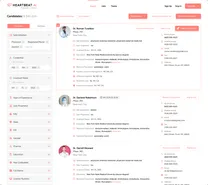
A hospital procurement mailing list from Heartbeat.ai typically gives you:
- A large contact network: Heartbeat.ai maintains a network with over 11 million healthcare provider records, which helps when you’re targeting specific states or running a nationwide campaign.
- Filtering by location, role, and specialization: You can narrow the list to the roles and regions that actually matter for your campaign instead of buying a one-size-fits-all file.
- Compliance-minded data practices: The list is built with anti-spam obligations in mind, including the CAN-SPAM Act in the US. Worth noting: CAN-SPAM applies to all commercial email, including B2B messages — there’s no exemption just because you’re emailing another business.
- Periodic refreshes: Contact data is updated on a regular cycle, which matters in an industry where procurement staff turnover and title changes are common.
Data Fields Typically Included
- Hospital procurement contact name
- Location
- Contact numbers (work, cell, mobile)
- Email address
- Specialization
- Years of experience
- Sole proprietor status
- Licensed states
- License number
- Fax
- Address
 Accuracy & coverage of personal contact info were unrivaled by other platforms… this gives any healthcare recruiter a competitive advantage when engaging hard-to-reach healthcare providers.
Senior Growth Strategist





Why Data Quality Matters More Than List Size
A bigger list isn’t automatically a better one. What actually moves the needle is accuracy — reaching real people at current addresses and phone numbers. Buying a stale list technically complies with the letter of anti-spam law but wastes budget and, over time, hurts your sender reputation with inbox providers who track complaint rates independently of legal compliance.

Better Return on Effort
When contacts are current, you spend less time chasing bounces and more time in front of people who actually make procurement decisions.
Stronger Relationships Over Time
Accurate role and specialization data lets you tailor a message instead of sending something generic. That distinction is often what separates an ignored email from a reply.
Higher Response Rates
Messages that reach a valid, correctly-titled contact simply have a better chance of being opened and acted on than ones sent into an outdated inbox.
Feedback You Can Act On
Once you’re reaching real recipients, campaign performance data — opens, replies, meetings booked — actually tells you something useful about your messaging, rather than being distorted by bad addresses.
Keeping Pace with Turnover
Procurement staff move roles and departments reorganize. Lists need refreshing on a regular schedule to stay useful, not just at the point of purchase.
Hospital Procurement Contacts by Category
A hospital procurement list typically includes several distinct roles, each with different responsibilities and different reasons to engage:
| Hospital Procurement by Categories |
| Hospital Procurement Department Contacts |
| Procurement Managers |
| Supply Chain Manager |
| Supply Relationship Manager |
| Logistics Manager |
| Purchasing Department Staff |
| Procurement Officer |
| Hospital Purchasing Clerk |
| Purchasing Assistant |
Hospital Procurement Contacts by State
Coverage extends across all 50 states, which matters if your outreach needs to be geographically targeted rather than blanketed nationwide:
| Hospital Procurement By States |
| Hospital Procurement in Alabama |
| Hospital Procurement in Alaska |
| Hospital Procurement in Arizona |
| Hospital Procurement in Arkansas |
| Hospital Procurement in California |
| Hospital Procurement in Colorado |
| Hospital Procurement in Connecticut |
| Hospital Procurement in Delaware |
| Hospital Procurement in Florida |
| Hospital Procurement in Georgia |
| Hospital Procurement in Hawaii |
| Hospital Procurement in Idaho |
| Hospital Procurement in Illinois |
| Hospital Procurement in Indiana |
| Hospital Procurement in Iowa |
| Hospital Procurement in Kansas |
| Hospital Procurement in Kentucky |
| Hospital Procurement in Louisiana |
| Hospital Procurement in Maine |
| Hospital Procurement in Maryland |
| Hospital Procurement in Massachusetts |
| Hospital Procurement in Michigan |
| Hospital Procurement in Minnesota |
| Hospital Procurement in Mississippi |
| Hospital Procurement in Missouri |
| Hospital Procurement in Montana |
| Hospital Procurement in Nebraska |
| Hospital Procurement in Nevada |
| Hospital Procurement in New Hampshire |
| Hospital Procurement in New Jersey |
| Hospital Procurement in New Mexico |
| Hospital Procurement in New York |
| Hospital Procurement in North Carolina |
| Hospital Procurement in North Dakota |
| Hospital Procurement in Ohio |
| Hospital Procurement in Oklahoma |
| Hospital Procurement in Oregon |
| Hospital Procurement in Pennsylvania |
| Hospital Procurement in Rhode Island |
| Hospital Procurement in South Carolina |
| Hospital Procurement in South Dakota |
| Hospital Procurement in Tennessee |
| Hospital Procurement in Texas |
| Hospital Procurement in Utah |
| Hospital Procurement in Vermont |
| Hospital Procurement in Virginia |
| Hospital Procurement in Washington |
| Hospital Procurement in West Virginia |
| Hospital Procurement in Wisconsin |
| Hospital Procurement in Wyoming |
How the Data Is Compiled

Building a workable hospital procurement list is a multi-step process, not a single database pull:
Sourcing from Verified Channels
Heartbeat.ai draws from more than 200 sources, including official records, public databases, and industry associations, as a starting foundation.
Cross-Verification
Records get checked against multiple sources to catch discrepancies before they ever reach a customer’s list.
Categorization by Role
Contacts are organized by position and department, which is what makes it possible to target, say, supply chain managers specifically rather than every hospital employee with a title containing “purchasing.”
Ongoing Maintenance
Contact details are re-verified and refreshed on a recurring basis rather than left static after the initial build.
Privacy and Compliance Alignment
Data handling follows applicable privacy regulations and industry compliance norms throughout the collection and maintenance process.
Choosing a Provider: What to Actually Check

Not every provider is worth your budget. Before buying a hospital procurement list, run through this checklist:
- Reputation and track record: A provider with a longer history in healthcare data is generally a safer bet than one you’ve never heard of.
- Verification process: Ask how records get validated. If the answer is vague, treat that as a red flag.
- Consent and privacy practices: Confirm the provider isn’t scraping personal data without regard for how it was originally collected or shared.
- Segmentation options: You want to filter by role, specialty, and geography — not buy an undifferentiated mass file.
- Update cadence: Ask directly how often records are refreshed. “Regularly” isn’t a schedule; get a specific answer if you can.
A Note on Compliance
Whatever list you use, remember that the CAN-SPAM Act applies to all commercial email in the US, business-to-business included. That means accurate sender information, no deceptive subject lines, and a working opt-out mechanism honored within the legally required window. Buying a compliant list doesn’t remove your own obligation to send compliant emails.
Who Actually Uses Hospital Procurement Contact Lists

Procurement Professionals
Staff inside hospital procurement departments use these lists to connect with peers, suppliers, and other stakeholders across facilities.
Healthcare Suppliers
Vendors selling equipment or services to hospitals rely on accurate procurement contacts to open conversations with the right decision-makers.
Marketing and Sales Teams
Teams selling into the healthcare sector use targeted lists to route pitches directly to people with purchasing authority, instead of guessing at a generic inbox.
Recruitment Agencies
Agencies placing supply chain and procurement talent use these lists to identify hiring managers and department heads.
Business Development Professionals
BD teams exploring partnerships with hospital systems use procurement contacts as an entry point for those conversations.
Research and Analysis Teams
Analysts studying procurement trends use contact data to support outreach for interviews, surveys, or market research.
Getting More Out of a Procurement Email List

Having accurate contacts is only step one. What you do with them determines the actual return:
- Marketing campaigns: Lead with what’s relevant to procurement — cost savings, compliance features, supply reliability — rather than a generic product pitch.
- Recruitment outreach: Share specific openings or programs directly, rather than a broad “we’re hiring” message.
- Personalized communication: Reference the recipient’s role or facility type. Generic blasts get ignored faster than ever.
- Information sharing: Sending a useful industry report or resource before you ask for anything builds credibility.
- Event invitations: Be specific about what a procurement professional gains by attending — time is the scarcest resource in this audience.
- Professional networking: Use the list to build relationships over time, not just to push a single transaction.
- Feedback and surveys: Asking procurement contacts for input signals that you’re listening, not just selling.
Bottom Line
A hospital procurement email list is only as good as its accuracy and its fit for your specific outreach goals. Segmented, verified, regularly updated data will outperform a larger but stale file every time — both in response rates and in protecting your sender reputation.
Heartbeat.ai maintains a hospital procurement database built around verification and regular refreshes, with filtering by role, specialty, and location. If you’re ready to build a more targeted outreach list, get in touch to see what’s available for your specific criteria.
FAQs
What information is typically included in a hospital procurement database?
Most hospital procurement databases include names, job titles, contact numbers, email addresses, and specialization for roles like purchasing managers, logistics managers, and supply chain managers.
How often is a hospital procurement email list updated?
Update frequency varies by provider. Reputable sources refresh records on a recurring schedule to keep contact details current; ask any provider directly about their specific cadence.
Can I customize a hospital procurement email list based on specific criteria?
Yes. Heartbeat.ai allows filtering by location, specialization, and other relevant factors so outreach can be targeted rather than generic.
Is using a hospital procurement email list compliant with privacy regulations?
A compliant list is only part of the picture — the sender is also responsible for following the CAN-SPAM Act, which applies to all commercial email in the US, including business-to-business messages, regardless of list source.