Last updated: August 29, 2026
Building a working list of clinic contacts is one of the more tedious jobs in healthcare marketing. Public directories go stale fast, staff turn over, and generic “clinic” searches return a mess of urgent care centers, dental offices, and specialty practices with no easy way to sort them. This piece looks at what actually goes into a usable clinics email list, what to check before you buy or build one, and where the practical limits are.

What’s on this page:
What Heartbeat’s Clinics Email List Includes

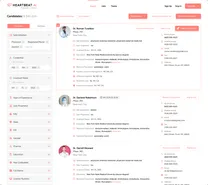
Heartbeat AI’s clinics database is built to give marketers, recruiters, and researchers a starting point for outreach that goes beyond a name and a generic inbox address.
- Broad geographic reach: clinic records span multiple states and cities, filterable by location.
- Straightforward access: the platform is designed so you can pull current contact data without manual scraping.
- Flexible pricing tiers: packages scale depending on how much data you need.
- Multiple contact points per record: phone numbers, mailing addresses, and license details sit alongside email, so you’re not stuck with one channel.
Data Fields in the Clinics Directory
- Clinic name
- Location
- Contact numbers (work, cell, mobile)
- Email address
- Specialization
- Years of experience
- Sole proprietor status
- Licensed states
- License number
- Fax
- Address
 Accuracy & coverage of personal contact info were unrivaled by other platforms… this gives any healthcare recruiter a competitive advantage when engaging hard-to-reach healthcare providers.
Senior Growth Strategist





Why a Verified Clinics Mailing List Matters

A clean, segmented list changes the math on outreach. Here’s what that looks like in practice:
Targeted communication
Messages reach licensed clinic staff and facilities relevant to your offer, rather than a generic healthcare inbox that may not even be monitored.
Better response rates
When outreach lands with the right specialty or role, recipients are more likely to engage than with a mass, unsegmented blast.
Lower cost per contact
Narrowing the list to relevant prospects means fewer wasted sends and less spend on audiences unlikely to convert.
Room for personalization
Accurate specialty and location data lets you tailor messaging instead of running one generic campaign across every clinic type.
New market access
A detailed list of clinics and professionals makes it easier to test outreach in new regions or specialty segments before committing more budget.
Clinic Types in the Directory
Categories in the database include the following:
| Clinics by Category |
| General Health Clinics |
| Specialty Medical Clinics |
| Dental Clinics |
| Eye Care Clinics |
| Pediatric Clinics |
| Dermatology Clinics |
| Orthopedic Clinics |
| Cardiology Clinics |
| Women’s Health Clinics |
| Gastroenterology Clinics |
| Physiotherapy Clinics |
| Mental Health Clinics |
Clinics by State
Clinic facilities across U.S. states covered in the database:
How the Clinics Email Database Is Compiled

Source verification
Data is pulled from 200-plus data partners, combining public and private channels to cross-check clinic contact information.
Technology-assisted collection
Matching and de-duplication rely on automated processes rather than manual list-building, which speeds up how quickly new or changed records surface.
Regular refresh cycles
Contact details are periodically re-checked, since clinic staff, addresses, and emails change more often than most buyers expect.
Geographic coverage
Records span a wide range of cities and states, so you can filter down to a specific metro area or region instead of working with a national list you’ll have to trim yourself.
Choosing a Clinics Email Provider: What to Look For

Not every vendor updates records at the same pace or verifies the same way. A few criteria worth checking before committing:
Update frequency
Heartbeat.ai maintains a database that includes over 2.4 million U.S. physicians, with clinic records reviewed and refreshed on a regular schedule.
Direct contact channels
Direct phone numbers and email addresses matter because generic front-desk lines and shared inboxes rarely reach the decision-maker you’re trying to contact.
Segmentation options
The ability to filter by specialty, state, or role lets you build narrower, more relevant lists instead of one flat file.
Verification process
Ask how records get checked and how often. A list that’s “verified” once at compilation and never revisited will decay within a year or two as clinics close, merge, or relocate.
Channel flexibility
A good list supports more than email — phone and mail can serve as backup channels when an inbox goes stale or a message gets filtered as spam.
Compliance Considerations Before You Buy or Use a List

A clinics email list is business contact data about providers and facilities, not patient health information, so it sits outside the scope of HIPAA’s patient-privacy protections. That said, a few practical rules still apply to any B2B email outreach:
- CAN-SPAM compliance: commercial emails need accurate sender information, a truthful subject line, and a working opt-out mechanism.
- Accurate, current records: outdated contact data wastes budget and damages sender reputation when messages bounce or get flagged as spam.
- Ethically sourced data: ask where the vendor’s records come from and whether they combine public listings with licensed data partnerships.
- Refresh cadence: confirm how often the vendor updates records, since clinic staff and contact details shift regularly.
- Data security: the vendor should have reasonable safeguards against unauthorized access to the contact data you’re licensing.
Who Uses a Clinics Email List

Healthcare marketers
Pharmaceutical companies, equipment suppliers, and service providers use segmented clinic lists to target the specialties most relevant to what they sell.
Research institutions
Access to a range of clinic professionals supports recruitment for studies, surveys, and other research efforts.
Healthcare recruiters
Recruiters use clinic contact data to identify and reach candidates for open roles more efficiently than cold outreach through public listings.
Government health agencies
Public health teams can use verified contact channels to distribute information or coordinate with clinics during public health initiatives.
Clinical product manufacturers
Device and pharmaceutical manufacturers use the data to reach relevant clinics for product introductions or feedback.
Health insurance providers
Insurers use direct contact channels to discuss network participation, share updates, or coordinate with clinic practitioners.
Getting Practical Use Out of a Clinics List

Segment before you send
Splitting a list by location, specialty, or role generally produces better engagement than one broad message sent to everyone.
Use it for research, not just sales
Clinic contacts can also be a source of market feedback — useful for understanding regional demand or specialty-specific needs.
Share something worth reading
Sending genuinely useful content builds credibility with recipients over time, which matters more in healthcare than in most B2B verticals given how guarded providers are about their inboxes.
Support recruitment pipelines
Recruiters can use the list to identify and contact clinic staff for open roles, narrowing down candidates by specialty or location first.
Keep outreach proportional
A smaller, well-targeted list that gets used carefully will usually outperform a large list blasted indiscriminately — response rates tend to drop fast once recipients start marking messages as spam.
The Bottom Line
Assembling accurate, current contact details for clinics and clinic professionals by hand is slow and prone to going stale. A maintained database with regular refresh cycles and multiple contact fields per record saves that manual work, provided you check how the vendor sources and verifies its data before committing to a package.
Heartbeat AI offers packages at different price points for teams that need to reach clinics, institutions, and professionals without building a list from scratch. You can review Heartbeat AI‘s current plans directly.
FAQs
What measures are taken to ensure the accuracy of the clinics’ email list?
Records are checked against data partner sources and refreshed on a recurring schedule, though no list can guarantee real-time accuracy given how often clinic staff and contact details change.
Is a purchased clinics email list subject to HIPAA?
A B2B contact list of clinic staff and facilities is generally distinct from patient health information and falls outside HIPAA’s core patient-privacy protections, but commercial email still needs to comply with the CAN-SPAM Act, including accurate sender details and a working opt-out.
How often should a clinics contact list be refreshed?
Given normal staff turnover and practice changes, ask any vendor how frequently records are re-verified rather than assuming a one-time purchase stays accurate indefinitely.