What’s on this page:
Key takeaways
- An osteopathic contact list may include provider names, locations, specialties, and contact details, but the fields available can vary.
- Lists may offer filters such as specialty, location, and years of experience; confirm which filters apply to the specific data you are considering.
- Ask how contact information is verified, how often records are refreshed, and what the verification process covers.
- Confirm the data’s sources, consent basis, and permitted uses before using it for outreach.
- Even regularly updated contact data can be incomplete or outdated, so a list does not guarantee deliverability or a response.
Last updated: August 28, 2026

Reaching osteopathic physicians (DOs) through cold outreach or generic directories can be challenging. Contact details change, and some physicians may not list personal or verified work email addresses publicly. An osteopathic email list built from provider data can help you target relevant specialists, but its usefulness depends on the accuracy and freshness of its records.
This guide covers what a working osteopathic contact list actually contains, how that data gets compiled and verified, who typically uses it, and what to check before you buy or license one.
What’s in Heartbeat’s Osteopathic Email List

Heartbeat’s osteopathic database covers licensed osteopathic professionals across the United States, including those practicing in hospitals, group practices, and solo settings.
Here’s what’s included:
- Geographic targeting: Filter by state, region, or metro area so outreach efforts focus where they’ll actually land.
- Specialty filtering: Narrow by area of osteopathic practice, such as musculoskeletal medicine, pediatrics, or sports medicine, to reach professionals whose focus matches your message.
- Broad provider coverage: Access to data spanning over 11 million medical professionals, including names, locations, and, where permitted, phone numbers and email addresses.
- Ongoing updates: Lists are refreshed regularly rather than compiled once and left static, which matters given how often practice affiliations and contact details shift.
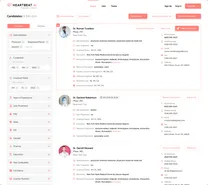
Data Fields Typically Included
- Provider name
- Location
- Contact numbers (work, cell, mobile)
- Email address
- Specialization
- Years of experience
- Sole proprietor status
- Licensed states
- License number
- Fax
- Address
 Accuracy & coverage of personal contact info were unrivaled by other platforms… this gives any healthcare recruiter a competitive advantage when engaging hard-to-reach healthcare providers.
Senior Growth Strategist






Why Verified Lists Outperform Generic Directories
A clean osteopathic email list may support more focused outreach, but results depend on data quality, message relevance, and campaign practices.
Reaching the right inbox
An accurate list can reduce the risk of sending messages to outdated addresses, but it cannot guarantee that every address is active or reaches the intended provider.
Cost efficiency
Targeting a smaller, relevant audience can help avoid sending to contacts outside your intended market. Actual campaign costs and response rates vary.
Sender reputation
High bounce rates can negatively affect a sender’s domain reputation and email deliverability. Monitor bounce rates and follow applicable email-sending requirements.
Engagement
Specialty-matched contacts may make outreach more relevant to recipients, but relevance does not guarantee that they will open or respond.
Fewer bounces
Checking contact data regularly may help identify outdated addresses and make campaign metrics more useful, though it cannot prevent all failed deliveries.
Osteopathic Categories in Our Database
The list spans a range of osteopathic professional categories.
| Osteopathic Categories |
| Osteopathic Physicians |
| Osteopathic Surgeons |
| Osteopathic Specialists |
| Osteopathic Practitioners |
| Osteopathic Clinicians |
| Osteopathic Doctors |
| Osteopathic Professionals |
| Osteopathic Specialists |
| Osteopathic Medical Practitioners |
| Osteopathic Specialists in Skin Problems |
| Osteopathic Health Care Providers |
| Osteopathic Medicine Practitioners |
| Osteopathic Professionals |
| Osteopathic Clinics |
| Skin Problems |
| Osteopathic Healthcare Practitioners |
Available Osteopathic Data by State
The database also segments osteopathic contacts by state.
How the Data Gets Compiled
Building an accurate osteopathic mailing list is a multi-step process, not a one-time scrape.

Diverse data sources
Heartbeat pulls from roughly 200 sources, spanning public and private records such as healthcare directories, professional networking platforms, and medical journals.
Verification
Heartbeat says contact details are checked against databases to assess whether providers are still practicing and whether information is current. Ask the provider what verification methods and update dates apply to the records you plan to use.
Customization
According to Heartbeat, lists can be filtered by specialty, region, and years of experience. Confirm which fields and filters are available for the specific list you are considering.
Consent-based collection
Heartbeat states that it follows privacy laws and ethical data collection standards and gathers information with appropriate consent. Before using a list, verify its data sources, consent basis, and applicable privacy and marketing requirements for your use.
Why Choose Heartbeat’s Osteopathic Mailing List

Regular data updates
Heartbeat says lists are refreshed on an ongoing basis. Ask how often the specific records you will receive are updated, since provider affiliations and contact details can change.
Customizable filters
Narrow by specialty, geography, or other criteria so the list matches your campaign rather than forcing your campaign to fit a generic list.
Consent-based collection
Heartbeat states that contacts are included with appropriate consent and in line with applicable privacy regulations. Confirm the consent basis and permitted uses for the data you obtain.
Support
A dedicated support team is available to help with questions about list setup, filtering, or usage.
What to Check Before Buying an Osteopathic Email List

- Source trustworthiness: Look for lists built from professional associations, licensing boards, and healthcare directories rather than unverified scrapes.
- Update frequency: Ask how often the list refreshes. A list updated once a year will have more dead contacts than one updated continuously.
- Customization options: Confirm you can filter by specialty, location, or experience level rather than buying an all-or-nothing file.
- Consent basis: Confirm the data was collected with appropriate consent and complies with applicable privacy rules.
- Privacy compliance: Healthcare contact data carries extra sensitivity — check that the provider follows relevant data protection practices.
Who Typically Uses an Osteopathic Contact List

Osteopathic physicians
DOs use these lists to network with peers in other locations or specialties, sharing insights or exploring collaboration.
Medical equipment suppliers
Suppliers reach osteopathic physicians directly about equipment relevant to their specific practice area.
Healthcare marketers
Marketers running campaigns aimed at osteopathic professionals can target by specialty and location instead of broadcasting broadly.
Pharmaceutical companies
These companies use the list to introduce relevant treatments and gather feedback from practicing DOs.
Medical device manufacturers
Manufacturers use response data from campaigns to understand what osteopathic physicians actually need from new devices.
A Practical Workflow for Using the List

- Segment before sending. Filter by specialty and location first — a generic blast to every DO in the database performs worse than a narrow, relevant send.
- Verify intent per campaign. Recruitment outreach, product marketing, and research collaboration each need a different message; don’t reuse one template across purposes.
- Write specific subject lines. Vague subject lines get ignored by busy clinicians; specificity about relevance improves open rates.
- Plan a follow-up cadence. A single email rarely converts. Space follow-ups out and track responses to avoid over-contacting the same providers.
- Review bounce and response data regularly. High bounce rates on a subset of contacts usually mean that segment needs re-verification before the next send.
Limitations to Keep in Mind
No contact database is perfect. Even frequently updated lists can lag behind a provider’s latest job change, and some fields — such as a personal cell number — may not be available for every contact. Treat a list as a starting point for targeted outreach, not as a guarantee of deliverability, accuracy, or permission to contact every person. Confirm the data’s permitted uses and follow applicable privacy and marketing requirements.
Closing Thoughts
An osteopathic email list is only as useful as the accuracy behind it. Whether you’re in recruiting, device sales, or healthcare marketing, matching your message to the right specialty and location matters more than the size of the list itself.
Explore Heartbeat to see how a verified, filterable osteopathic database can fit into your outreach plan.
FAQs
Is the data collection for the osteopathic email list based on consent?
Yes. Data is collected with appropriate consent and in line with applicable privacy regulations.
How frequently is the osteopathic email list updated?
Lists are refreshed on an ongoing basis rather than compiled once, which helps reduce the number of outdated contacts over time.
Can I customize the osteopathic email list to fit my specific needs?
Yes. You can filter by specialization, geographic location, years of experience, and other available criteria.