What’s on this page:
Key takeaways
- An ENT nurse practitioner contact list may include names, email addresses, phone numbers, locations, and specialty information, but fields can be incomplete.
- Check how the provider sources, verifies, segments, and updates its records before buying or using a list.
- Use specialty and geographic filters to make outreach more relevant, but do not assume that targeting guarantees higher response rates.
- Compare the cost and quality of a purchased list with the staff time required to build and maintain one internally.
- Confirm which privacy laws apply to the provider’s data practices and to your planned outreach; GDPR and HIPAA are not interchangeable.
Last updated: August 28, 2026

The nurse practitioner workforce has grown fast. The American Association of Nurse Practitioners now counts more than 461,000 licensed NPs across the country, and a meaningful share of that group works in ear, nose, and throat care alongside physicians and audiologists. Finding the ones who specialize in ENT, though, is a different problem than finding NPs in general. Specialty tagging is inconsistent across directories, many ENT NPs practice under a supervising physician’s group listing, and generic contact databases rarely separate them out cleanly.
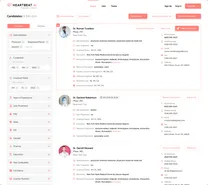
A purpose-built ENT nurse practitioners email list is intended to make specialty contacts easier to find. It may include names, email addresses, and, where available, phone numbers, so you can spend less time sorting through general healthcare contacts.
Below is an overview of what a list like this may include, how providers may build one, who uses it, and ways to make outreach more relevant.
What a Heartbeat ENT Nurse Practitioners Email Database Includes

Heartbeat AI describes its contact data as serving healthcare outreach, recruiting, and sales teams. The ENT nurse practitioner segment is presented as organized around several core principles.
- Contact depth: names, email addresses, and where available, work location and phone numbers for practicing ENT nurse practitioners.
- Segmentation: filter by geography, sub-specialty focus, or practice setting instead of working through one flat list.
- Update cycles: contact records are refreshed on a schedule to reduce bounce rates and reduce time spent on people who’ve changed jobs.
- Export-ready formatting: data arrives in a format that drops into most CRM or email platforms without manual cleanup.
- Privacy compliance: data collection practices are built around standards like GDPR and HIPAA, which matters if your outreach touches any patient-adjacent workflow.
What’s Typically Included Per Record
- Name of the ENT nurse practitioner
- Location
- Contact numbers (work, cell, mobile, where available)
- Email address
- Specialization focus
- Years of experience
- Sole proprietor status
- Licensed states
- License number
- Fax
- Address
Not every field is populated for every contact. The availability and accuracy of phone, fax, and email data can vary, so check which fields are included and how the provider verifies and updates them.
 Accuracy & coverage of personal contact info were unrivaled by other platforms… this gives any healthcare recruiter a competitive advantage when engaging hard-to-reach healthcare providers.
Senior Growth Strategist






Why a Targeted Email List Beats General Prospecting

Direct Access
A targeted list can reduce the time spent searching practice websites and general contact forms, but verify that each contact is relevant and current.
Sharper Targeting
If your product, service, or research is relevant to ENT care, a segmented list can help you focus outreach on contacts identified as working in that specialty. It does not guarantee a stronger response rate.
Time Recovered
Finding and checking contacts one at a time can take staff time. A ready-made list may reduce some of that work, leaving more time for follow-up and personalization.
Networking and Collaboration
For research partnerships or professional outreach, having accurate contact data makes it easier to identify collaborators working in the same specialty area.
Research and Education Use Cases
A pre-built contact set can help organize outreach for study invitations, requests for expert commentary, or continuing education content.
Cost Efficiency
Building and verifying a list in-house takes staff time. Compare that effort and cost with the price and quality of a purchased list before deciding which approach is more efficient.
Better Response Rates
A relevant, specialty-matched audience may make outreach more useful to recipients than a broad audience, but list targeting alone does not guarantee better response rates.
Categories You’ll Find in an ENT Nurse Practitioners List
ENT nurse practitioners aren’t a single homogenous group. Depending on the practice, they may focus on different areas of ear, nose, and throat care.
| ENT Nurse Practitioners Categories |
| General ENT Nurse Practitioners |
| Audiology and Hearing Care Nurse Practitioners |
| Allergy and Sinus Nurse Practitioners |
| Voice and Swallowing Disorders Nurse Practitioners |
| Pediatric ENT Nurse Practitioners |
| ENT Oncology Nurse Practitioners |
| Sleep Medicine and Snoring Nurse Practitioners |
ENT Nurse Practitioners by State
If you’re building outreach around geography, here’s the full state breakdown.
| ENT Nurse Practitioners By States |
| ENT Nurse Practitioners in Alabama |
| ENT Nurse Practitioners in Alaska |
| ENT Nurse Practitioners in Arizona |
| ENT Nurse Practitioners in Arkansas |
| ENT Nurse Practitioners in California |
| ENT Nurse Practitioners in Colorado |
| ENT Nurse Practitioners in Connecticut |
| ENT Nurse Practitioners in Delaware |
| ENT Nurse Practitioners in Florida |
| ENT Nurse Practitioners in Georgia |
| ENT Nurse Practitioners in Hawaii |
| ENT Nurse Practitioners in Idaho |
| ENT Nurse Practitioners in Illinois |
| ENT Nurse Practitioners in Indiana |
| ENT Nurse Practitioners in Iowa |
| ENT Nurse Practitioners in Kansas |
| ENT Nurse Practitioners in Kentucky |
| ENT Nurse Practitioners in Louisiana |
| ENT Nurse Practitioners in Maine |
| ENT Nurse Practitioners in Maryland |
| ENT Nurse Practitioners in Massachusetts |
| ENT Nurse Practitioners in Michigan |
| ENT Nurse Practitioners in Minnesota |
| ENT Nurse Practitioners in Mississippi |
| ENT Nurse Practitioners in Missouri |
| ENT Nurse Practitioners in Montana |
| ENT Nurse Practitioners in Nebraska |
| ENT Nurse Practitioners in Nevada |
| ENT Nurse Practitioners in New Hampshire |
| ENT Nurse Practitioners in New Jersey |
| ENT Nurse Practitioners in New Mexico |
| ENT Nurse Practitioners in New York |
| ENT Nurse Practitioners in North Carolina |
| ENT Nurse Practitioners in North Dakota |
| ENT Nurse Practitioners in Ohio |
| ENT Nurse Practitioners in Oklahoma |
| ENT Nurse Practitioners in Oregon |
| ENT Nurse Practitioners in Pennsylvania |
| ENT Nurse Practitioners in Rhode Island |
| ENT Nurse Practitioners in South Carolina |
| ENT Nurse Practitioners in South Dakota |
| ENT Nurse Practitioners in Tennessee |
| ENT Nurse Practitioners in Texas |
| ENT Nurse Practitioners in Utah |
| ENT Nurse Practitioners in Vermont |
| ENT Nurse Practitioners in Virginia |
| ENT Nurse Practitioners in Washington |
| ENT Nurse Practitioners in West Virginia |
| ENT Nurse Practitioners in Wisconsin |
| ENT Nurse Practitioners in Wyoming |
How the Data Gets Built

Building a specialty mailing list isn’t a one-time scrape. It’s a repeated cycle:
1. Source Collection
A provider may compile contact information from medical directories, professional healthcare networks, and public licensing records. Ask which sources are used, how records are checked, and how often they are updated.
2. Verification
A provider’s verification process should check whether contacts are still practicing in the relevant specialty and whether contact details are current. Ask how these checks are performed and how often.
3. Refresh Cycles
Healthcare roles and contact details can change. Ask how often records are reviewed, how inactive or outdated contacts are handled, and whether updates are included.
4. Compliance Checks
Ask the provider to explain which privacy laws and obligations apply to its data collection, storage, and your intended outreach. GDPR and HIPAA have different scopes; neither should be treated as a blanket certification for a contact list.
5. Segmentation
Segmentation by geography, specialty focus, and practice type can help narrow a campaign. Check how those categories are defined and maintained.
6. Quality Checks
Ask what accuracy checks are performed before records are provided and how errors can be reported or corrected.
Why Choose Heartbeat.ai’s ENT Nurse Practitioners Mailing List

Database Scale and Accuracy
Heartbeat.ai maintains a large database covering more than 11 million U.S. healthcare professionals, with reported accuracy rates around 84% for cell phone numbers and 92% for personal emails.
Faster Outreach Setup
Access to phone numbers or personal email addresses may reduce some manual contact research, but availability and accuracy can vary. Confirm which fields are supplied and appropriate to use.
Specialty-Level Search
The Prospector tool lets you filter by specialty, sub-specialty, and procedures performed, which is useful for narrowing a broad NP pool down to ENT-specific contacts.
Diversity Filters
Filtering options support more varied candidate pools for recruitment or marketing outreach.
Integrations and Team Use
A Chrome Extension connects with LinkedIn and Facebook for additional contact discovery, and the platform supports shared access across teams.
Pricing Flexibility
Different pricing plans are available depending on whether you’re working solo, through an agency, or as part of a larger organization.
Support Resources
A help center, API documentation, and company directory are available to support setup and ongoing use.
What to Check Before You Buy an ENT Nurse Practitioners Email Directory

- Currency: a directory full of stale emails or contacts who’ve left ENT practice isn’t worth much, no matter how large it looks.
- Legal compliance: confirm the provider’s collection process aligns with GDPR or HIPAA before you use the contacts for outreach.
- Segmentation options: the ability to filter by location, specialization, or practice type determines how precise your campaigns can be.
- Data provenance: know where the directory’s information actually comes from — that’s a reasonable proxy for how trustworthy it is.
- Cost versus value: the cheapest option isn’t automatically the best one if the underlying data is thin or outdated.
- Support: check whether the provider offers help with campaign setup or data troubleshooting, not just a raw file download.
Who Actually Uses an ENT Nurse Practitioners Email List

- Medical equipment suppliers reaching clinicians who use ENT-specific devices day to day.
- Pharmaceutical companies sharing information about new treatments or clinical trial opportunities relevant to ENT care.
- Healthcare marketers promoting conferences, webinars, or continuing education content built for this specialty.
- Medical researchers looking for collaborators or study participants with ENT clinical experience.
- Recruitment agencies sourcing candidates for open ENT-related roles in hospitals or clinics.
- Event organizers inviting specialty-relevant attendees to conferences or workshops.
Running Outreach That Doesn’t Get Ignored

- Define the goal first. Marketing a product, sharing research, or building a professional network each calls for a different message structure and cadence.
- Segment before you send. Grouping by location, sub-specialty, or interest area keeps messages relevant instead of generic.
- Personalize. Address recipients by name and reference something specific to their role — generic blasts get ignored or reported.
- Lead with value. Useful content, a relevant product, or a worthwhile event increases the odds someone actually reads past the subject line.
- Stay compliant. Follow applicable privacy rules and respect opt-outs; treat every contact’s inbox as something you’re borrowing, not owed.
- Track results. Open and response rates tell you what’s working faster than guessing does.
- Maintain the list. Remove bounced or inactive contacts on a schedule so future sends aren’t wasted on dead addresses.
Conclusion
An ENT nurse practitioners email list can help users find contacts identified as relevant to a specialty that may be difficult to isolate in general healthcare data. Its usefulness depends on factors such as accuracy, recency, segmentation, and whether the data and planned outreach comply with applicable requirements.
If you’re evaluating options, Heartbeat AI is one place to look for a maintained, specialty-segmented mailing list for ENT nurse practitioners.
Frequently Asked Questions
How can I make an email campaign to ENT nurse practitioners more effective?
Tailor the message to their specific area of ENT practice rather than sending generic content, and personalize wherever possible.
What does an ENT nurse practitioners email list typically cost?
Pricing varies by provider, list size, and how much detail each record includes. A smaller, accurate, current list is usually a better investment than a larger, stale one.
How do I get an ENT nurse practitioners database into my CRM?
Most lists are delivered in CSV or Excel format, which imports directly into standard CRM systems without extra formatting work.