What’s on this page:
Key takeaways
- A useful provider list should identify providers by location, role, and credentials, not just name.
- Directory entries and contact details can become outdated, so confirm important information before outreach.
- Provider roles and qualifications vary; match contacts to the purpose of the search.
- Treatment services and availability can differ by provider and location.
- People seeking care should confirm services directly with a provider or an appropriate referral resource.
Last updated: August 31, 2026
West Virginia has faced a substantial opioid-related health burden, and demand for addiction treatment makes accurate provider information important. Recruiters, healthcare marketers, and organizations building referral networks may find that provider directories become outdated and that some specialists have limited public contact information.
This guide explains what an addiction medicine specialist list can include, why contact details need regular checking, and how a data platform such as Heartbeat may help organizations build outreach lists. For people seeking treatment, a provider directory or referral from a healthcare professional may be a more appropriate starting point.
Get an Addiction Medicine Specialist Email List from Heartbeat
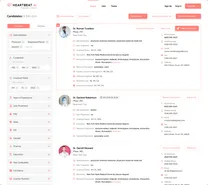
Heartbeat says its provider database includes licensed healthcare professionals across the United States, including addiction medicine specialists. The company says users can filter by location, credential type, and specialization and export contact details for recruiting, partnership, or marketing. Confirm which fields are available and how they are verified before relying on a list.
Providers in this broad category differ in training, credentials, and role. Addiction psychiatrists may treat substance use disorders alongside co-occurring mental health conditions. Therapists and substance use counselors provide behavioral support, with their scope of practice depending on their credentials and state requirements.
Other professionals may support people at different stages of care. Interventionists may help families plan an intervention, while clinicians in detox settings support patients during withdrawal. Pain management physicians may also care for patients whose pain treatment intersects with substance use or recovery. Roles and qualifications vary, so match contacts to your specific purpose.
Knowing which of these roles fits your outreach purpose matters. A recruiter staffing a residential treatment facility needs different contacts than a pharmaceutical rep targeting outpatient MAT (medication-assisted treatment) prescribers, and a filtered list saves time on both ends.
Addiction Treatment in West Virginia: What the Landscape Looks Like
Hospitals and health systems in West Virginia provide addiction-related services, though programs and availability can change. The article names Charleston Area Medical Center, West Virginia University Hospitals, Wheeling Hospital, and Cabell Huntington Hospital as examples; check each organization’s current services and referral information directly.
The article reports that provisional data from the West Virginia Department of Human Services showed a 34% decrease in overdose deaths in the first four months of 2024 compared with the same period in 2023. Because this is a time-limited provisional comparison, check the department’s latest data before using the figure. The comparison alone does not establish changes in treatment capacity or provider numbers.
The article describes care options ranging from inpatient detoxification and residential rehabilitation to outpatient counseling and telehealth prescribing of Suboxone. Availability and eligibility vary by provider and location, so confirm current services directly. Because providers may change practice settings or services, a static list can become outdated.
Why Contact Accuracy Matters More in This Specialty
Addiction medicine has a few characteristics that make outdated contact data especially costly.
- Confidentiality norms limit public listings. Many providers in this field intentionally keep a lower public profile than, say, a cardiologist or dermatologist, which makes generic directory scraping less reliable.
- Rural distribution. West Virginia’s provider base is spread thin outside a handful of population centers, so any given specialist may serve a wide geographic area and switch practice locations more often than urban peers.
- Fast turnover in treatment settings. Providers move between hospital systems, private practice, and telehealth platforms as programs expand or funding shifts, which directory sites often don’t catch quickly.
- High stakes for delayed contact. Whether it’s a patient trying to reach a provider or a recruiter trying to fill a critical staffing gap, a wrong number or dead email costs real time in a specialty where timing matters.
Common Obstacles When Searching for a List
Common challenges when compiling a West Virginia addiction medicine specialist list include outdated directory entries, limited public contact information, and providers who have changed locations or affiliations. Verify important details with the provider or organization before relying on them.
Some healthcare data platforms combine licensing records, provider registries, and contact sources and update records periodically. Coverage, source quality, and update frequency differ by platform, so ask how the data is gathered and refreshed rather than assuming a list is current.
What a Heartbeat Contact List Includes
Heartbeat says its provider records may include contact information and professional details beyond a name and practice address. A typical export may include:
- Specialist name
- Location
- Contact numbers (work, cell, mobile)
- Email address
- Specialization
- Years of experience
- Sole proprietor status
- Licensed states
- License number
- Fax
- Address
Addiction Medicine Specialist Lists by State
Explore the state list below for pages about addiction medicine specialist listings. The presence of a state page does not by itself confirm that a list is available or that its contact details are current.
| Addiction medicine specialist list by states |
|---|
| Addiction medicine specialist list in Alabama |
| Addiction medicine specialist list in Alaska |
| Addiction medicine specialist list in Arizona |
| Addiction medicine specialist list in Arkansas |
| Addiction medicine specialist list in California |
| Addiction medicine specialist list in Colorado |
| Addiction medicine specialist list in Connecticut |
| Addiction medicine specialist list in Delaware |
| Addiction medicine specialist list in Florida |
| Addiction medicine specialist list in Georgia |
| Addiction medicine specialist list in Hawaii |
| Addiction medicine specialist list in Idaho |
| Addiction medicine specialist list in Illinois |
| Addiction medicine specialist list in Indiana |
| Addiction medicine specialist list in Iowa |
| Addiction medicine specialist list in Kansas |
| Addiction medicine specialist list in Kentucky |
| Addiction medicine specialist list in Louisiana |
| Addiction medicine specialist list in Maine |
| Addiction medicine specialist list in Maryland |
| Addiction medicine specialist list in Massachusetts |
| Addiction medicine specialist list in Michigan |
| Addiction medicine specialist list in Minnesota |
| Addiction medicine specialist list in Mississippi |
| Addiction medicine specialist list in Missouri |
| Addiction medicine specialist list in Montana |
| Addiction medicine specialist list in Nebraska |
| Addiction medicine specialist list in Nevada |
| Addiction medicine specialist list in New hampshire |
| Addiction medicine specialist list in New jersey |
| Addiction medicine specialist list in New mexico |
| Addiction medicine specialist list in New york |
| Addiction medicine specialist list in North carolina |
| Addiction medicine specialist list in North dakota |
| Addiction medicine specialist list in Ohio |
| Addiction medicine specialist list in Oklahoma |
| Addiction medicine specialist list in Oregon |
| Addiction medicine specialist list in Pennsylvania |
| Addiction medicine specialist list in Rhode island |
| Addiction medicine specialist list in South carolina |
| Addiction medicine specialist list in South dakota |
| Addiction medicine specialist list in Tennessee |
| Addiction medicine specialist list in Texas |
| Addiction medicine specialist list in Utah |
| Addiction medicine specialist list in Vermont |
| Addiction medicine specialist list in Virginia |
| Addiction medicine specialist list in Washington |
| Addiction medicine specialist list in West virginia |
| Addiction medicine specialist list in Wisconsin |
| Addiction medicine specialist list in Wyoming |
How Heartbeat Builds Its Contact Data
Heartbeat says it compiles provider records from licensing sources and other public and private data, and may match records with phone numbers or email addresses where available. The company describes this as a way to provide direct contact details; verify important information and use contact data only in ways permitted by applicable privacy and communications rules.
Coverage and match rates may vary by specialty and region. Before relying on a record for time-sensitive outreach, confirm the provider’s current role and contact information, especially if the provider may have changed practice settings.
Who Uses an Addiction Medicine Specialist Contact List?
Potential users of a professional contact list include healthcare recruiters, marketers, and organizations building referral or partnership networks. Nonprofits may also use similar lists for outreach. People seeking care should verify provider services and availability directly or use an appropriate referral resource.
Using the List Effectively
A few practical guidelines make outreach more productive:
- Segment by role first. A message meant for a psychiatrist rarely lands the same way with a substance abuse counselor. Filter your list by specialization before drafting outreach.
- Respect consent and privacy rules. Contact data should be used in line with applicable communication and data privacy laws, and unsolicited outreach should stay professional and easy to opt out of.
- Keep messages short and specific. Addiction medicine providers are often stretched thin on time; a concise message with a clear ask performs better than a long pitch.
- Verify before high-stakes contact. For time-sensitive recruiting or partnership outreach, a quick verification call or email confirmation avoids wasted effort on a stale record.
Conclusion
Building a useful list of addiction medicine specialists in West Virginia requires attention to credentials, location, and current contact details. A data platform such as Heartbeat may help organizations identify providers, but coverage and accuracy should be checked before important outreach. People seeking treatment should confirm services and availability directly with providers or referral sources.
Frequently Asked Questions
How can I find an addiction medicine specialist in West Virginia?
Search online directories, ask a primary care physician for a referral, or contact local hospitals and clinics directly. Healthcare data platforms can also help identify licensed specialists by location and subspecialty.
What services do addiction medicine specialists in West Virginia offer?
Services typically include evaluation and diagnosis, medication-assisted treatment, counseling, and ongoing support for individuals with substance use disorders.
Are there addiction medicine specialists in West Virginia who accept insurance?
Many do. It’s best to confirm directly with the specialist’s office or check with your insurance provider for current coverage details.