Last updated: August 31, 2026
Finding accurate contact information for addiction medicine specialists in Connecticut is a real pain point for recruiters, marketers, and anyone building referral networks in behavioral health. Provider directories go stale fast — specialists change practices, retire, or relocate — and outdated lists waste time and burn outreach budget.
This page walks through why accurate contact data matters in addiction medicine, what makes Connecticut’s provider landscape tricky to navigate, and how a verified contact database like Heartbeat.ai can shorten the search.
What’s on this page:
Get an Email List of Addiction Medicine Specialists in Connecticut from Heartbeat
Heartbeat.ai’s database covers licensed healthcare professionals across the United States, including addiction medicine specialists in Connecticut. You can filter by specialty, location, and other criteria to build a targeted contact list instead of manually searching directories one provider at a time.
Our addiction medicine specialist coverage spans several related roles, including addiction psychiatrists, chemical dependency counselors, addiction therapists, substance abuse social workers, addiction nurse practitioners, addiction psychologists, behavioral disorder counselors, addiction interventionists, and substance abuse psychologists.
Each of these roles handles a different part of the recovery process, from diagnosis to ongoing case management, so knowing which specialty you actually need before you start outreach saves time. A recruiter filling a clinical role needs different contact data than a pharma rep looking to connect with prescribers, for example.
If you need access to this data, you can visit Heartbeat.ai to search and purchase contact lists directly, or reach out to support with specific questions about coverage.
Addiction Medicine in Connecticut’s Healthcare Landscape
Connecticut has a mix of hospital-affiliated and independent addiction treatment providers. Larger health systems such as Hartford HealthCare and Yale New Haven Health operate dedicated substance use disorder programs alongside independent practices and community clinics.
These programs handle everything from outpatient counseling to more intensive treatment tracks, and they play a meaningful role in the state’s broader response to substance use. For anyone building outreach lists, this means the specialist pool is split between large institutional networks and smaller independent providers — each with different contact patterns and gatekeeping.
Why Accurate Contact Information Matters
For patients and families, having a current specialist contact list can mean the difference between a fast connection to care and a frustrating runaround. For recruiters, accurate mobile and email data speeds up candidate outreach and reduces the number of dead-end calls per hire.
For researchers, pharmaceutical representatives, or organizations building referral partnerships, verified contact details are the starting point for any productive conversation. Bad data doesn’t just slow things down — it can damage credibility if outreach lands on the wrong person or a disconnected line.
Why This Data Is Hard to Find and Keep Current
A few things make addiction medicine specialist lists harder to maintain than they look:
- Specialty overlap: addiction medicine credentials show up across psychiatry, primary care, nursing, and counseling, so a simple search often misses providers who don’t self-identify as “addiction medicine” specifically.
- Provider turnover: retirements, relocations, and practice changes mean static lists go stale within months.
- Fragmented sources: hospital directories, state licensing boards, and insurance networks each show a partial slice of the picture, rarely the full one.
- Limited public contact details: many directories list a general office number rather than a direct line or email, which slows down time-sensitive outreach.
Centralized databases that pull from multiple sources and refresh regularly help close these gaps, though no data source is perfect — verifying a few key contacts before a large campaign is still good practice.
What’s Included in Heartbeat’s Addiction Medicine Specialist Contact List
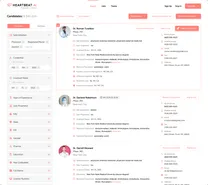
Heartbeat.ai’s database compiles specialist information across all 50 states, including Connecticut, with details built for outreach rather than just directory browsing. Each specialist record can include:
- Addiction medicine specialist name
- Location
- Contact numbers (work, cell, mobile)
- Email address
- Specialization
- Years of experience
- Sole proprietor status
- Licensed states
- License number
- Fax
- Address
Available Addiction Medicine Specialist Lists by State
Explore addiction medicine specialist contact lists for other states below.
| Addiction medicine specialist list by states |
|---|
| Addiction medicine specialist list in Alabama |
| Addiction medicine specialist list in Alaska |
| Addiction medicine specialist list in Arizona |
| Addiction medicine specialist list in Arkansas |
| Addiction medicine specialist list in California |
| Addiction medicine specialist list in Colorado |
| Addiction medicine specialist list in Connecticut |
| Addiction medicine specialist list in Delaware |
| Addiction medicine specialist list in Florida |
| Addiction medicine specialist list in Georgia |
| Addiction medicine specialist list in Hawaii |
| Addiction medicine specialist list in Idaho |
| Addiction medicine specialist list in Illinois |
| Addiction medicine specialist list in Indiana |
| Addiction medicine specialist list in Iowa |
| Addiction medicine specialist list in Kansas |
| Addiction medicine specialist list in Kentucky |
| Addiction medicine specialist list in Louisiana |
| Addiction medicine specialist list in Maine |
| Addiction medicine specialist list in Maryland |
| Addiction medicine specialist list in Massachusetts |
| Addiction medicine specialist list in Michigan |
| Addiction medicine specialist list in Minnesota |
| Addiction medicine specialist list in Mississippi |
| Addiction medicine specialist list in Missouri |
| Addiction medicine specialist list in Montana |
| Addiction medicine specialist list in Nebraska |
| Addiction medicine specialist list in Nevada |
| Addiction medicine specialist list in New hampshire |
| Addiction medicine specialist list in New jersey |
| Addiction medicine specialist list in New mexico |
| Addiction medicine specialist list in New york |
| Addiction medicine specialist list in North carolina |
| Addiction medicine specialist list in North dakota |
| Addiction medicine specialist list in Ohio |
| Addiction medicine specialist list in Oklahoma |
| Addiction medicine specialist list in Oregon |
| Addiction medicine specialist list in Pennsylvania |
| Addiction medicine specialist list in Rhode island |
| Addiction medicine specialist list in South carolina |
| Addiction medicine specialist list in South dakota |
| Addiction medicine specialist list in Tennessee |
| Addiction medicine specialist list in Texas |
| Addiction medicine specialist list in Utah |
| Addiction medicine specialist list in Vermont |
| Addiction medicine specialist list in Virginia |
| Addiction medicine specialist list in Washington |
| Addiction medicine specialist list in West virginia |
| Addiction medicine specialist list in Wisconsin |
| Addiction medicine specialist list in Wyoming |
How We Compile Addiction Medicine Specialist Data for Connecticut
Heartbeat.ai’s contact data is built by aggregating information from over 200 public, private, and official sources covering U.S. healthcare providers, including millions of direct cell phone numbers and personal email addresses. Predictive modeling is used to fill in likely contact details where public records are incomplete, which is why accuracy rates for cell numbers and emails vary and should be treated as estimates rather than guarantees.
Because no single directory captures every provider, we’d recommend spot-checking a sample of records before running a large campaign, particularly for smaller independent practices that may update their information less frequently.
Choosing a Contact Data Provider: What to Check
If you’re evaluating Heartbeat.ai or any similar tool for addiction medicine specialist outreach, a few practical questions are worth asking:
- Does the provider refresh contact records regularly, or is the data a one-time snapshot?
- Can you filter by specific sub-specialty (addiction psychiatry vs. counseling vs. nursing, for example)?
- Are direct cell and email fields available, or just general office lines?
- Does the platform show licensing state and license number for verification purposes?
- What support is available if a contact record turns out to be outdated?
Who Uses This Kind of Contact List?
Addiction medicine specialist contact data gets used by a range of people: recruiters filling clinical roles, marketing teams promoting relevant products or services, sales reps building provider relationships, and researchers or nonprofits doing outreach related to substance use treatment. Individuals occasionally use it for personal referrals as well.
Using the List Responsibly
A few practices make outreach more effective and more respectful of providers’ time:
- Personalize messages based on the specialist’s actual sub-specialty rather than sending generic blasts.
- Verify a contact’s current practice affiliation before reaching out, especially for time-sensitive requests.
- Keep any shared patient or business information confidential and follow applicable privacy regulations.
- Respect opt-out requests promptly and keep your own list hygiene up to date.
Conclusion
Connecticut’s addiction medicine landscape includes both large hospital-affiliated programs and independent practices, which makes manually assembled contact lists hard to keep current. A regularly updated database can narrow that gap, but it’s still worth verifying key contacts before a major outreach push, given how quickly provider information changes.
Frequently Asked Questions
How can I find an addiction medicine specialist in Connecticut?
You can find an addiction medicine specialist in Connecticut by asking for recommendations from a primary care physician, checking with your insurance provider for in-network specialists, or searching a verified contact database.
What qualifications should I look for in an addiction medicine specialist in Connecticut?
Look for board certification in addiction medicine, experience treating substance use disorders, and evidence-based treatment approaches.
Are there specialized addiction medicine clinics in Connecticut?
Yes. Several health systems and independent clinics in Connecticut, including programs run by Hartford HealthCare and Yale New Haven Health, offer dedicated substance use disorder treatment.