What’s on this page:
Key takeaways
- The guide recommends filtering neurosurgeon searches by subspecialty and location.
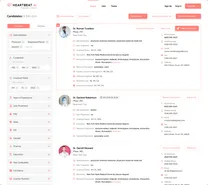
- A contact list may include provider names, locations, contact details, specialties, license information, and addresses.
- Provider contact details can change, so verify them before high-stakes outreach.
- The guide advises segmenting outreach, stating its purpose clearly, and honoring opt-out requests.
- Patients can look for a Utah neurosurgeon through medical directories, their insurance provider, or a primary care physician referral.
Last updated: August 31, 2026
Finding accurate, current contact information for neurosurgeons in Utah can be difficult. For recruiters filling a hospital vacancy, marketers targeting specialty clinics, or business development teams building referral networks, outdated phone numbers and bounced emails can waste time and stall outreach.
This guide explains the challenges of sourcing neurosurgeon contact data in Utah, what a useful contact list may include, and how to use that data responsibly.
Get the Best Email List of Neurosurgeons in Utah from Heartbeat
Heartbeat.ai says its database covers licensed professionals across the United States, including Utah, and offers filters for specialty, location, and other criteria. Whether you’re looking for general neurosurgeons, spine specialists, or pediatric neurosurgery providers, these filters are intended to help narrow your search.
Neurosurgery isn’t one job description. The subspecialties you’re likely to encounter include:
- General neurosurgeons — handle a broad range of brain, spinal cord, and peripheral nerve conditions.
- Pediatric neurosurgeons — focus on congenital conditions and neurodevelopmental disorders in children.
- Spine neurosurgeons — treat herniated discs, spinal stenosis, and spinal tumors.
- Neurovascular surgeons — manage aneurysms, strokes, and other vascular issues in the brain and spine.
- Functional neurosurgeons — work on conditions like Parkinson’s disease, epilepsy, and chronic pain.
- Oncological neurosurgeons — perform surgery for brain and spinal tumors.
- Trauma neurosurgeons — respond to traumatic brain and spinal cord injuries.
Knowing which subspecialty you actually need before you search saves time and prevents outreach to the wrong professional.
Utah’s Healthcare Landscape
Utah’s healthcare system includes major academic and regional medical centers, such as University of Utah Health and Intermountain Medical Center, that support neurosurgical care and research across the state. Beyond these hub facilities, care access varies significantly depending on how close a patient or provider is to Salt Lake City versus more rural counties.
Why Accurate Contact Data Matters
Bad contact data creates problems in three distinct scenarios:
- Recruitment. Hospitals and staffing agencies sourcing neurosurgical talent need working phone numbers and emails to move candidates through screening without delay. A wrong number or dead email address can mean losing a candidate to a competing offer.
- Referral and networking. Physicians and administrators coordinating patient referrals or professional collaboration rely on current contact details to reach the right specialist quickly.
- Vendor and marketing outreach. Companies selling equipment, services, or continuing education to neurosurgery practices need accurate targeting to avoid wasted outreach and compliance headaches.
In each case, the cost of bad data isn’t just wasted time — it’s a missed connection that someone else fills instead.
Why Neurosurgeons in Utah Are Hard to Find
A few factors make sourcing neurosurgeon contacts in Utah more difficult than in larger states:
- Small specialist pool. Neurosurgery is a narrow field nationally, and Utah’s population means fewer practicing neurosurgeons overall compared to states like California or Texas.
- Geographic concentration. Most specialists cluster around Salt Lake City and other urban centers, leaving rural areas with limited direct access.
- Provider turnover and practice changes. Physicians move between hospital systems, private practice, and academic roles, which makes static directories go stale quickly.
Because provider details can change, a regularly refreshed contact database may be more useful than a one-time list pulled from a public directory. Verify details before relying on them.
What a Heartbeat Neurosurgeons Contact List Includes
Heartbeat says its database covers neurosurgeons across the U.S., including Utah, and may include details such as:
- Neurosurgeon’s name
- Location
- Contact numbers (work, cell, mobile)
- Email address
- Specialization
- Years of experience
- Sole proprietor status
- Licensed states
- License number
- Fax
- Address
Available Neurosurgeons in Our Contact List by State
Browse neurosurgeon contact data by state below.
| Neurosurgeons by states |
|---|
| Neurosurgeons in Alabama |
| Neurosurgeons in Alaska |
| Neurosurgeons in Arizona |
| Neurosurgeons in Arkansas |
| Neurosurgeons in California |
| Neurosurgeons in Colorado |
| Neurosurgeons in Connecticut |
| Neurosurgeons in Delaware |
| Neurosurgeons in Florida |
| Neurosurgeons in Georgia |
| Neurosurgeons in Hawaii |
| Neurosurgeons in Idaho |
| Neurosurgeons in Illinois |
| Neurosurgeons in Indiana |
| Neurosurgeons in Iowa |
| Neurosurgeons in Kansas |
| Neurosurgeons in Kentucky |
| Neurosurgeons in Louisiana |
| Neurosurgeons in Maine |
| Neurosurgeons in Maryland |
| Neurosurgeons in Massachusetts |
| Neurosurgeons in Michigan |
| Neurosurgeons in Minnesota |
| Neurosurgeons in Mississippi |
| Neurosurgeons in Missouri |
| Neurosurgeons in Montana |
| Neurosurgeons in Nebraska |
| Neurosurgeons in Nevada |
| Neurosurgeons in New Hampshire |
| Neurosurgeons in New Jersey |
| Neurosurgeons in New Mexico |
| Neurosurgeons in New York |
| Neurosurgeons in North Carolina |
| Neurosurgeons in North Dakota |
| Neurosurgeons in Ohio |
| Neurosurgeons in Oklahoma |
| Neurosurgeons in Oregon |
| Neurosurgeons in Pennsylvania |
| Neurosurgeons in Rhode Island |
| Neurosurgeons in South Carolina |
| Neurosurgeons in South Dakota |
| Neurosurgeons in Tennessee |
| Neurosurgeons in Texas |
| Neurosurgeons in Utah |
| Neurosurgeons in Vermont |
| Neurosurgeons in Virginia |
| Neurosurgeons in Washington |
| Neurosurgeons in West Virginia |
| Neurosurgeons in Wisconsin |
| Neurosurgeons in Wyoming |
How This Data Is Compiled
Heartbeat.ai says it aggregates healthcare provider information from official, private, and public sources and uses verification processes to update records. The company also says it cross-references multiple data streams rather than relying on a single directory.
No dataset covering a fast-moving field like neurosurgery will be perfect. Providers change practices, retire, or update contact details faster than any directory can track in real time. That’s a limitation worth factoring into your outreach plan — treat a purchased list as a strong starting point, not a guaranteed-accurate final answer, and verify before high-stakes outreach like formal recruitment offers.
Who Uses a Neurosurgeons Contact List?
Typical users include:
- Healthcare recruiters and staffing firms sourcing neurosurgical candidates
- Medical device and pharmaceutical sales teams targeting specialty practices
- Hospital business development teams building referral relationships
- Researchers and conference organizers coordinating with specialists
- Marketing teams promoting continuing education or clinical products
Using a Neurosurgeons Email List the Right Way
A contact list is only useful if you use it well. A few practical guidelines:
- Segment before you send. Group contacts by subspecialty and location so your message is relevant to the recipient, not a generic blast.
- Keep messages concise. Neurosurgeons have limited time between clinical duties; get to the point quickly.
- Be transparent about intent. Whether you’re recruiting, selling, or networking, state your purpose clearly in the first line.
- Respect opt-outs and consent requirements. Comply with applicable data protection and communication regulations, and honor unsubscribe requests promptly.
- Verify before critical outreach. For time-sensitive recruitment or contract conversations, confirm a number or email is current before relying on it.
Conclusion
Finding current contact information for neurosurgeons in Utah can be challenging, and provider details may change. A filterable database like Heartbeat’s may help narrow a search, but verify contact details before high-stakes outreach. Recruiters, marketers, and networking professionals should also use contact data responsibly and honor applicable communication requirements.
Frequently Asked Questions
What are the top neurosurgery hospitals in Utah?
Notable facilities include Intermountain Medical Center, University of Utah Hospital, and Primary Children’s Hospital.
How can I find a neurosurgeon in Utah?
You can search medical directory websites, check with your insurance provider, or ask for a referral from your primary care physician.
What conditions do neurosurgeons in Utah treat?
Neurosurgeons treat conditions such as brain tumors, spinal disorders, stroke, epilepsy, and Parkinson’s disease, among others.
What is the average wait time for an appointment with a neurosurgeon in Utah?
Wait times vary by provider and by the urgency of the condition. Contact the neurosurgeon’s office directly for current scheduling information.