What’s on this page:
Key takeaways
- A teletherapy provider email list may include provider names, contact details, specialties, locations, and licensing information, but the fields available can vary.
- Heartbeat describes verification and ongoing maintenance processes; prospective buyers should ask how records are checked and refreshed.
- State filters can support targeting, but they do not confirm current licensure or make an outreach campaign compliant.
- Heartbeat reports database-wide coverage and contact-accuracy figures; ask whether those figures apply to the specific teletherapy records you need.
- Before purchasing or using a list, assess relevance, data freshness, collection methods, and the requirements that apply to your planned outreach.
Last updated: August 28, 2026

Teletherapy has moved from a pandemic-era workaround to a permanent fixture of mental health care. Finding accurate, current contact information for the providers who deliver that care, though, is a different problem entirely. Directories go stale, licenses lapse or transfer across state lines, and independent practitioners change email addresses more often than hospital-employed clinicians. If you’re building an outreach list for recruiting, partnerships, or product marketing, that turnover matters more than most people assume.
Heartbeat AI says it maintains a database of teletherapy provider contacts for recruiting, partnerships, and other outreach. This guide outlines the data fields described, the stated compilation process, and questions to ask before choosing any provider data source.
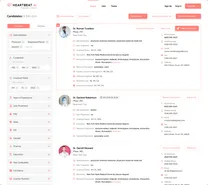
About Heartbeat’s Teletherapy Providers Email List: What You Will Get

Here’s a brief overview of what’s included in Heartbeat’s teletherapy provider email list:
- Targeted audience access: The list is curated for the teletherapy sector, so you’re working with contacts relevant to your outreach rather than a generic healthcare roster.
- Networking opportunities: Use the contacts to build relationships for collaboration, referrals, or knowledge-sharing within the teletherapy space.
- A marketing and outreach tool: If you sell products or services relevant to teletherapy, this gives you a direct line to potential clients or partners in the field.
- Easy integration: The list is formatted to drop into most CRM or email marketing platforms without a lot of manual cleanup.
- Verified contacts: Records go through a verification step before they’re made available, which reduces (though doesn’t eliminate) bounce and outdated-contact issues.
Types of Data Included in Teletherapy Providers Email Lists
- Provider name
- Location
- Contact numbers (work, cell, mobile)
- Email address
- Specialization
- Years of experience
- Sole proprietor status
- Licensed states
- License number
- Fax
- Address
 Accuracy & coverage of personal contact info were unrivaled by other platforms… this gives any healthcare recruiter a competitive advantage when engaging hard-to-reach healthcare providers.
Senior Growth Strategist






Benefits of Using a Valid Teletherapy Provider Mailing List
An accurate teletherapy provider mailing list makes a few specific things easier, rather than magically fixing outreach in general.

Access to a targeted audience
A verified list connects you with individuals actually working in teletherapy, rather than a mixed bag of unrelated healthcare contacts.
Streamlined communication
Whether the goal is marketing, information sharing, or research recruitment, an updated list lets you reach many providers at once instead of tracking down contacts one by one.
Geographic reach
State filters can help narrow a list by location, but they do not establish that a provider is currently licensed to practice in a particular state. Verify a provider’s current license and applicable requirements before relying on that information.
Staying current on regulatory shifts
Telehealth licensure rules and reimbursement policy continue to evolve state by state, so an active contact list also gives you a channel for sharing compliance-relevant updates with providers.
Feedback and quality discussions
Providers can use these channels to solicit feedback on service delivery or discuss practice improvements with peers.
Who You’ll Find in Our Teletherapy Provider Email List by Category
The directory spans several categories of teletherapy-adjacent professionals and organizations, not just solo practitioners.
Available Teletherapy Provider Contacts by State
State filters may help narrow a search by location. They do not, by themselves, make an outreach list compliant or confirm that providers hold current licenses. The article links to state pages below:
How We Compile a Teletherapy Provider Mailing List
Here’s the general process behind building and maintaining this kind of list at Heartbeat:

Gathering data
Raw data is pulled from multiple sources, including provider names, contact details, and service information.
Removing duplicates
Duplicate entries are cleaned out so the list stays accurate and doesn’t inflate contact counts.
Verification
Heartbeat says email addresses and other contact details go through a verification step intended to reduce bounces and outdated records. Ask what is checked, when verification occurs, and how often records are refreshed.
Categorization
Providers are tagged by location, specialization, and other relevant factors, so the list can be filtered for specific outreach needs.
Compliance with regulations
Contact-data requirements depend on the data, the parties involved, and how it is collected and used. Review the rules that apply to your situation; mentioning HIPAA or GDPR does not, by itself, establish that a particular list or campaign complies with them.
Ongoing updates and maintenance
Teletherapy is a fast-moving field — new providers enter regularly and others change practice details. Heartbeat regularly updates and maintains the database to keep records current.
Why Choose Heartbeat.ai’s Teletherapy Provider Mailing List?
A few practical reasons this list tends to work well for healthcare recruitment and outreach:

Comprehensive coverage
Heartbeat says its broader U.S. database covers more than 11 million healthcare professionals. This figure describes the broader database, not necessarily the number of teletherapy providers available in a particular list or search. Compare coverage using the provider criteria you need.
Direct contact information
Heartbeat reports that its broader database includes over 8.8 million cell numbers and 9.3 million personal email addresses. These figures describe the broader database; confirm how many relevant, usable contacts are available for your target group.
Accuracy and speed
Heartbeat reports accuracy rates of 84% for cell phone numbers and 92% for personal emails across its database. Ask how accuracy is defined, how it was measured, and whether the figures apply to the specific records you plan to use.
Advanced search capabilities
The Prospector tool lets you filter by specialty, sub-specialty, and procedures performed, so you can narrow down to the specific type of teletherapy provider you need.
Browser-based tools
The Chrome Extension integrates with platforms like LinkedIn and Facebook, which is useful when you’re researching a specific provider rather than working from a bulk list.
Flexible pricing
Independent recruiters, agencies, and larger enterprises have different volume needs, so Heartbeat offers a range of pricing plans rather than a single flat rate.
What to Consider Before Buying a Teletherapy Provider Email List
Not every provider list is built the same way, and the differences matter once you’re actually sending emails.

Relevance and targeting
Check whether the list includes providers relevant to your offer and whether its targeting criteria are clear. Poor targeting can reduce response rates and increase the risk of spam complaints.
Data accuracy and freshness
Ask when the list was last refreshed and how often it is updated. Outdated addresses can lead to bounced emails.
Legal compliance
Check that the list and your intended use comply with applicable rules, such as GDPR for European contacts or the CAN-SPAM Act in the U.S. Non-compliant use creates legal exposure and reputational risk.
Source and collection method
Understand how the contacts were gathered. Lists built through questionable scraping or purchased-and-resold data tend to be lower quality and riskier to use.
Cost versus quality
Compare price alongside targeting, data freshness, verification methods, and the amount of manual cleanup required. A higher price does not by itself establish better data quality or outreach results.
Who Uses a Teletherapy Provider Email List?
This kind of contact data tends to serve a specific set of use cases rather than general marketing.

Healthcare recruiters and staffing teams
Sourcing licensed therapists, counselors, and psychologists for open teletherapy roles or contract positions.
Healthtech companies
Reaching potential provider partners for platform integrations, pilot programs, or business development conversations.
Insurance and payer organizations
Identifying teletherapy providers who may be candidates for network expansion. Verify their current credentials and participation status before relying on the list for network decisions.
Research institutions
Contacting providers for survey participation or research studies on teletherapy delivery and outcomes.
Mental health advocacy groups
Engaging providers who may want to support awareness campaigns or policy initiatives.
How to Use a Teletherapy Provider Email List Effectively
Having accurate contacts is only half the job. How you use them determines whether the list is worth the investment.

- Segment before you send. Group providers by specialty, license state, or years in practice so your message actually fits the recipient.
- Personalize beyond the first name. Reference something specific about the provider’s practice or specialty — generic mail merges get ignored or reported as spam.
- Lead with something useful. Industry insight, a relevant tool, or a practical tip lands better than a straight pitch.
- Keep it short. Busy clinicians skim. State the point in the first two sentences.
- Give one clear next step. A single CTA — book a call, view a role, join a webinar — outperforms multiple competing asks.
- Respect opt-outs. Comply with CAN-SPAM or GDPR requirements and make unsubscribing easy and immediate.
- Watch the numbers. Open rates, click-throughs, and reply rates tell you whether your segmentation and messaging are actually working — adjust based on what the data shows, not assumptions.
Conclusion
Before using a teletherapy provider email list, check how the data was collected, how often it is refreshed, and whether both the data source and your planned use comply with applicable requirements. Skipping these checks can contribute to bounced emails, wasted outreach time, or compliance risks.
If you’re evaluating options, Heartbeat AI is one place to start comparing coverage and accuracy against your specific outreach needs.
Frequently Asked Questions
Is it legal to use a teletherapy provider email list for marketing?
Generally yes, but you need to comply with laws like the CAN-SPAM Act in the U.S. or GDPR in Europe. It’s worth confirming the list was compiled ethically and that recipients haven’t opted out of this kind of contact.
Can I customize a teletherapy provider email list to target specific specialties?
Most providers of this kind of data allow filtering by specialty — child psychology, marriage counseling, cognitive behavioral therapy, and similar categories — so your outreach stays relevant to the recipient’s practice.
What does a teletherapy provider email list typically cost?
Pricing varies based on list size, level of detail, and how customized the segmentation is. It’s worth weighing the cost against expected response rates rather than choosing based on price alone.