Last updated: August 29, 2026
Reaching telepsychiatrists directly is harder than it sounds. Many work across multiple platforms and licensed states, list a practice or telehealth company as their public point of contact, and don’t show up in standard provider directories with a working email address. A dedicated telepsychiatrists email list solves the discovery problem, but only if the underlying data is current and verified.
This page explains what a Heartbeat AI telepsychiatrists list actually contains, how the data is built and maintained, and what to check before you rely on any third-party contact list for outreach in this specialty.

What’s on this page:
What’s Included in Heartbeat’s Telepsychiatrists Email List

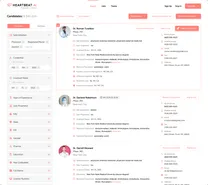
Heartbeat’s telepsychiatrists directory is built to help you find and contact psychiatrists who practice via telehealth, without spending hours cross-referencing directories and license boards yourself. The practical value comes down to a few things:
- Direct contact access: email addresses and phone numbers for telepsychiatrists, rather than a generic practice line or contact form.
- Segmentation for outreach: you can filter by specialty, state, or experience level to build targeted campaigns instead of one blast to everyone.
- Networking and partnership leads: useful for organizations trying to build referral relationships or recruit telepsychiatry providers.
- Ongoing refresh cycles: contact data degrades as people change jobs or platforms, so the list is updated rather than static.
Data Fields Typically Included
- Name
- Location
- Contact numbers (work, cell, mobile)
- Email address
- Specialization
- Years of experience
- Sole proprietor status
- Licensed states
- License number
- Fax
- Address
 Accuracy & coverage of personal contact info were unrivaled by other platforms… this gives any healthcare recruiter a competitive advantage when engaging hard-to-reach healthcare providers.
Senior Growth Strategist






Why a Verified List Matters More Than a Cheap One

Targeted Marketing
A verified list lets you build campaigns around specialty, licensed state, or experience level instead of guessing who might be relevant.
Fewer Wasted Sends
Bad or stale contact data means bounces, wasted sends, and time spent chasing dead ends. Accurate contact details cut that waste.
Networking and Partnerships
A working list of licensed telepsychiatrists makes it realistic to build referral relationships, recruit for telehealth roles, or line up collaborations that would otherwise take months of cold outreach.
Market and Research Signal
Talking to a broad enough set of telepsychiatrists gives you a more honest read on what the specialty actually needs, rather than relying on assumptions.
Lower Cost Per Contact
Targeting the right people instead of a broad, unfiltered list generally produces a better return on your outreach spend.
Compliance Exposure
Outdated or improperly sourced contact lists create legal and reputational risk. This is business-to-business outreach data, not patient health information, but you’re still responsible for how you collect consent and how you send. The CAN-SPAM Act requires that commercial email include accurate sender information, a working physical address, and a clear way to opt out, and recipients must be able to unsubscribe easily. If you’re marketing to patients rather than to providers, HIPAA’s separate rules on using protected health information for marketing apply and are a different, more restrictive framework — worth checking with counsel if your use case touches patient data at all.
Telepsychiatrist Categories in the List
The directory breaks telepsychiatrists into sub-specialties, which matters if your outreach is specific rather than general.
| Telepsychiatrist Categories |
| Child and Adolescent Telepsychiatrists |
| Geriatric Telepsychiatrists |
| Addiction Telepsychiatrists |
| Forensic Telepsychiatrists |
Telepsychiatrists by State
Coverage spans all 50 states, which is useful given how much telepsychiatry licensing hinges on where a provider is authorized to practice.
How the Data Gets Compiled

Building a usable list is less about scraping one big directory and more about combining and cross-checking multiple sources:
Source Collection
Data is pulled from a range of sources, including healthcare directories, professional listings, and public license records, with a focus on getting working cell and email contact points rather than generic office lines.
Filtering
Raw data gets filtered down to records that are actually telepsychiatrists, cutting out noise from adjacent specialties or outdated listings.
Verification
Contact details get checked against other records to confirm the person is still practicing and the information is current. This step catches a lot of the stale data that makes generic scraped lists unreliable.
Assembly
Verified records are compiled into a usable format — names, contact details, and specialty information organized for search and export.
Privacy Handling
Data handling follows applicable privacy requirements throughout the process rather than being bolted on afterward.
Ongoing Refresh
Lists are maintained rather than built once and left alone — providers change jobs, states, and platforms often enough that a one-time list goes stale within months.
Why Use Heartbeat.ai’s Telepsychiatrists List

Database Scale
Our database covers healthcare professionals across the US, including telepsychiatrists, with cell numbers, personal emails, and direct dials.
Search by Specialty
The Prospector tool lets you search by specialty or procedure, so you can pull telepsychiatrists specifically instead of sorting through a mixed psychiatry list.
Outreach Tools Built In
The Chrome Extension works alongside platforms like LinkedIn and Facebook, letting you pull contact info as you find providers and add them to your list without switching tools constantly.
Plans That Scale With You
Pricing options range from individual use to larger team accounts, so the cost structure can match how much outreach volume you actually need.
What to Check Before You Buy a List

- Refresh cadence: ask how often the data is updated. A list that hasn’t been touched in a year will have a meaningful bounce rate no matter how big it is.
- Source transparency: a vendor should be able to explain, at least broadly, where the data comes from. Vague answers are a warning sign.
- Fit for your use case: a list built for research is not necessarily the right one for recruiting or partnership outreach — match the list to the goal.
- Depth of fields: names and emails alone limit how personalized your outreach can be. Specialty, location, and license state let you segment properly.
- Compliance posture: ask how the vendor handles consent and opt-outs, and whether the data was gathered through methods that hold up under CAN-SPAM and general privacy expectations.
Who Actually Uses a List Like This

Healthcare Recruiters and Providers
Practices and health systems use these lists to fill telepsychiatry roles or connect with providers for research and clinical collaboration, subject to the usual ethical and legal constraints on that kind of outreach.
Hospitals and Clinics
Organizations already working with or affiliated with telepsychiatrists use the list to keep communication direct rather than routing everything through a third party.
Pharmaceutical and Biotech Teams
Companies running trials or education programs relevant to psychiatric care use these lists to identify potential collaborators or training partners.
Professional Associations
Membership organizations use verified contact lists to distribute updates on meetings, continuing education, and industry news to their telepsychiatry members.
Academic Programs
Universities and training programs use the list to connect students and faculty with practicing telepsychiatrists for clinical or research purposes.
Getting Outreach Right

A good list still gets wasted with sloppy execution. A few things matter more than people expect:
- Clean the list before sending. Remove anything that’s obviously stale or bounced previously.
- Personalize past the first name. Reference specialty or location, not just a mail-merge field.
- Write subject lines that describe the email. Vague or clickbait subject lines hurt open rates in a professional inbox.
- Lead with something useful. Industry updates, relevant resources, or a specific reason for reaching out land better than a generic pitch.
- End with one clear ask. A meeting, a reply, a link — pick one action rather than three.
- Follow CAN-SPAM basics. Include accurate sender information, a real mailing address, and a working unsubscribe link, and honor opt-outs promptly.
The Bottom Line
A telepsychiatrists email list is only as useful as its accuracy and how well it’s matched to what you’re trying to do — recruit, research, partner, or market. Stale contact data wastes time and money regardless of how the list is packaged. If you’re evaluating a provider, ask about refresh frequency, source transparency, and field depth before committing.
Heartbeat AI maintains a telepsychiatrists database built around verified contact records and regular updates, with tools to search by specialty and pull contacts directly from platforms like LinkedIn.
Frequently Asked Questions
How often is the telepsychiatrists email list updated?
The list is refreshed on an ongoing basis rather than built once and left static, since providers change roles, states, and platforms regularly.
What makes Heartbeat AI’s telepsychiatrists list different from a generic contact list?
It’s built specifically around verified provider contact data with specialty and license-state filtering, rather than a broad scrape of public directories.
Is this data appropriate for marketing directly to patients?
No. This is business-to-business contact data for reaching telepsychiatrists as professionals, not a tool for patient marketing. If your outreach involves patient health information, HIPAA’s marketing rules apply separately and require specific authorization.