Last updated: August 28, 2026

Molecular geneticists are a small, highly specialized group. Most work inside academic labs, hospital genetics departments, biotech firms, or reference laboratories, and their public contact information is often limited to a general lab or department line. That makes outreach slower than it needs to be for recruiters, vendors, conference organizers, and research partners trying to reach them directly.
A dedicated molecular geneticists email list solves the discovery problem, but the value depends entirely on how the data was sourced, how often it’s refreshed, and whether it’s segmented in a way that matches your outreach goals. This guide covers what’s actually in these lists, how to evaluate one, and how to use it without wasting the contacts you paid for.
What’s on this page:
What’s Included in a Molecular Geneticist Email List

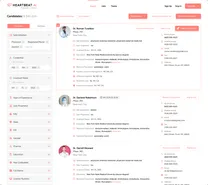
Heartbeat’s molecular geneticist database is organized around a few practical use cases: identifying the right specialist, reaching them through more than one channel, and segmenting outreach by location or experience level. Here’s what that generally looks like in practice:
- Specialized contact records: Email addresses tied specifically to professionals working in molecular genetics, rather than a general genetics or lab science category.
- Segmentation options: Records can typically be filtered by location, specialization, and years of experience, which helps narrow a list before you start emailing.
- Verification cycles: Contact data should be checked and refreshed on a regular basis. Any list you buy should tell you when it was last verified.
- Marketing and research use: Useful for companies promoting products or services to this audience, or for teams running structured market research within the field.
- Time savings: Sourcing and verifying these contacts manually is slow. A maintained list shifts that effort to the vendor so your team can focus on the outreach itself.
Typical Data Fields
- Name
- Location
- Contact numbers (work, cell, mobile)
- Email address
- Specialization
- Years of experience
- Sole proprietor status
- Licensed states
- License number
- Fax
- Address
 Accuracy & coverage of personal contact info were unrivaled by other platforms… this gives any healthcare recruiter a competitive advantage when engaging hard-to-reach healthcare providers.
Senior Growth Strategist






Why a Targeted List Beats General Prospecting
Buying or building a molecular geneticist-specific list makes the most sense when your outreach depends on subject-matter relevance rather than volume. A few reasons this matters:

Targeted Outreach
Molecular geneticists are a niche audience. A list built for this specialty avoids the noise of generic clinician databases and gets your message in front of people who can actually act on it.
Higher Engagement
Content that speaks directly to a geneticist’s area of work tends to get read. Generic pitches sent to a broad genetics or lab-science list usually don’t.
Collaboration and Networking
Access to this network can open doors for joint research, academic partnerships, or advisory relationships that wouldn’t surface through a general search.
Field-Level Feedback
Direct contact with practicing molecular geneticists can surface practical insight into current challenges and priorities in the field, which is useful for product or content teams building for this audience.
Reach Beyond One Region
A well-maintained list can include contacts across multiple states or countries, which matters if your outreach isn’t limited to a single market.
Molecular Geneticist Categories
Molecular genetics covers several distinct specialties, and knowing which one you’re targeting will shape your messaging.
Molecular Geneticists by State
If you’re building a list by geography, here’s the full state breakdown.
How This Kind of Data Gets Built

A defensible molecular geneticist list generally goes through a few stages worth knowing before you buy one:
Collecting Data
Sourcing starts with healthcare databases, professional directories, and public professional networks to identify people working in molecular genetics.
Filtering the Information
The raw pool gets narrowed down to professionals who actually specialize in molecular genetics rather than adjacent fields like general pathology or clinical genetics broadly.
Checking for Accuracy
Names, contact details, and professional backgrounds are verified before the record is considered usable.
Organizing the Data
Verified records are grouped by location, experience, and specialty so buyers can filter down to a relevant subset instead of emailing everyone at once.
Following the Rules
Any legitimate provider should structure its collection and verification process to align with applicable privacy and data protection laws.
Delivering the List
The final output is a usable mailing list, segmented and ready for outreach.
What to Check Before You Buy a List

A few questions worth asking any vendor before you commit to a list:
Source Reputation
Ask where the contacts came from. A vague answer is a red flag; a credible provider can describe its sourcing and verification process.
List Freshness
People change jobs, labs relocate, and email addresses expire. Find out how recently the list was refreshed.
Targeting Capabilities
Confirm you can filter down to the specific subspecialty, region, or experience level you actually need instead of buying an undifferentiated batch.
Compliance with Laws
Contact data used for marketing should be collected and used in a way that’s consistent with applicable privacy and communication regulations, such as GDPR in the EU or the CAN-SPAM Act in the US. Using a non-compliant list can create legal exposure.
Price
Weigh cost against quality. A cheap list with high bounce rates usually ends up more expensive once you factor in wasted sends and deliverability damage.
Delivery Success Rate
Ask about typical delivery performance. Consistently high delivery rates are a decent proxy for overall list quality.
Who Actually Uses This Data

Biotechnology and Pharmaceutical Companies
Used to inform geneticists about new drugs, therapies, or research tools, and to solicit feedback or explore collaboration on product development.
Research Institutions and Laboratories
Used to coordinate on research projects, share findings, or invite participation in studies related to molecular genetics.
Academic Institutions
Used to recruit for teaching or research roles, or to invite speakers to conferences and seminars.
Scientific Conference and Seminar Organizers
Used to promote events and recruit speakers or attendees within the molecular genetics community.
Clinical Trial Organizations
Used to identify geneticists for trial design, oversight, or execution, particularly for genetic therapies or diagnostics.
Getting Outreach Right

A clean list doesn’t guarantee a good response. How you use it matters just as much.
Set a Clear Goal
Decide upfront whether you’re sharing research, promoting a product, or inviting participation in an event. That goal should shape the entire email.
Know the Audience
Molecular geneticists work in a technical field. Content that’s vague or overly promotional tends to get ignored.
Keep It Short
Lead with the point. Skip the long preamble.
Personalize Where Possible
Reference the recipient’s actual specialty or published work when you can. Generic mass emails get lower response rates than personalized ones.
Offer Something Useful
Share something the recipient will find genuinely relevant, such as new research, a useful resource, or a specific opportunity.
Write a Direct Subject Line
Make it clear and specific enough that the recipient knows why the email is worth opening.
Limitations Worth Knowing
- Even well-maintained lists include some outdated or duplicate records; expect a normal margin of bounces regardless of provider.
- Niche specialties like molecular genetics have a smaller total pool of contacts than broader categories, so segment size will be limited by design.
- Compliance with laws like CAN-SPAM or GDPR is the sender’s responsibility as well as the vendor’s; a compliant list doesn’t make every campaign automatically compliant.
Conclusion
A valid molecular geneticist email list is a practical tool for connecting with a small, specialized professional group that’s otherwise hard to reach through general prospecting. The value comes down to sourcing, verification frequency, and segmentation quality, not just the number of records included.
If you’re evaluating a provider, consider Heartbeat AI as one option for sourcing verified molecular geneticist contacts alongside other healthcare provider data.
Frequently Asked Questions
Is there a limit to the number of contacts on a molecular geneticist email list?
List size varies by provider and by how narrowly the specialty is defined. Some lists are broad, others are more tightly filtered by subspecialty or region.
Can I add colleagues to a molecular geneticist contact list I’ve built?
Yes, provided you have a lawful basis for holding and contacting them. If you’re adding people to your own outreach list rather than a licensed database, make sure your process still respects applicable privacy rules.
How quickly do molecular geneticists typically respond to outreach?
Response time depends on the recipient’s workload and how relevant your message is to their work. Well-targeted, concise emails tend to get faster responses than generic ones.