Last updated: August 31, 2026
California employs thousands of psychiatrists across a healthcare system that ranges from major academic medical centers to small rural clinics, but finding and reaching the right ones for recruitment, sales, or partnership outreach is a different challenge than treating patients. This guide covers what the psychiatric workforce in California actually looks like, why contact data quality matters so much in this specialty, and how to build an outreach list that holds up over time.
What’s on this page:
How Many Psychiatrists Practice in California?
California had some 8,432 psychiatrists among its active specialty physicians as of early 2026, according to physician licensing data compiled by Statista. That’s a meaningful workforce, but it’s unevenly spread. The Inland Empire and San Joaquin Valley regions of California have half as many psychiatrists per capita as California overall. A separate regional analysis found that the Bay Area has 19 licensed psychiatrists and 73 licensed psychologists per 100,000 people, significantly more than the state averages of 12 and 44, while the San Joaquin Valley has six psychiatrists and 16 psychologists for the equivalent number of people.
Age is another factor worth understanding if you’re building long-term outreach plans. 45 percent of psychiatrists in California were over 60 years old in 2015, and workforce researchers have warned that California will have a severe shortage of psychiatrists by 2028 unless policymakers take action, because the number of people training to become psychiatrists is not sufficient to replace older psychiatrists who are expected to reduce hours or retire. For recruiters and healthcare vendors, this means the pool of psychiatrists you’re trying to reach is shifting: younger clinicians entering practice, established providers nearing retirement, and a persistent shortage in inland and rural counties.
Why Contact Data Quality Matters More in Psychiatry
Psychiatrists are harder to reach through generic channels than many other specialties. Many split time between hospital systems, private practice, and telehealth platforms, and a fair number are solo or small-group practitioners without a large front-office staff filtering inbound calls. That makes accurate, current contact details — not just a practice’s main line, but a direct number or verified email — the difference between a message that gets seen and one that disappears into a shared inbox.
Outdated contact information creates three distinct problems depending on who’s using it:
- Recruiters lose time chasing disconnected numbers or bounced emails, slowing down hiring for facilities that are already short-staffed in psychiatry.
- Sales and marketing teams see poor response rates and wasted campaign spend when a list hasn’t been refreshed against license and practice changes.
- Referral and networking contacts — other clinicians trying to coordinate care or discuss a case — face delays that have nothing to do with data at all, but everything to do with reaching the right person quickly.
What a Usable Psychiatrist Contact Record Should Include
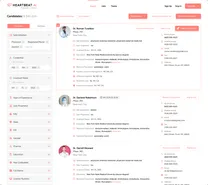
Not every “list” of psychiatrists is equally useful. A record worth paying for or building internally should include enough detail to segment and verify, not just a name and a generic address:
- Full name and credentials
- Practice location and city/region
- Direct or mobile phone number, separate from a front-desk line
- A verified, individual email address
- Subspecialty (child and adolescent, addiction, geriatric, forensic, or general psychiatry, for example)
- Licensed states and license number
- Years in practice
- Practice type — solo, group, hospital-affiliated, or telehealth
Where the Access Gaps Are, and What That Means for Outreach
The uneven distribution of psychiatrists across California isn’t just a patient-access problem — it shapes how outreach should be prioritized. Coastal and metro counties have denser psychiatrist populations, which means more competition for attention in recruiting and sales outreach. Inland counties, by contrast, have fewer psychiatrists but often less outreach competition, which can make personalized, well-timed contact more effective if the goal is recruitment for underserved facilities or filling access gaps through telehealth partnerships.
Some practical filters worth applying before you start a campaign:
- Segment by region, not just state. A California-wide list treats the Bay Area and the San Joaquin Valley as interchangeable, when they clearly aren’t in terms of provider density or need.
- Segment by subspecialty. A message aimed at a child and adolescent psychiatrist rarely fits a forensic psychiatrist’s practice or interests.
- Check license status before sending anything formal. California’s Medical Board maintains licensing records, and a quick check avoids contacting someone whose license has lapsed or moved states.
- Prioritize direct contact info over general practice lines when the goal is a real response rather than a voicemail queue.
Limitations to Keep in Mind
Any third-party contact database, including Heartbeat’s, is a snapshot that ages the moment it’s compiled. Psychiatrists change practices, retire, or shift specialties, and no list is 100% current at all times. Treat accuracy percentages as directional confidence levels rather than guarantees, and build a habit of verifying critical contacts — especially for formal recruitment outreach — before relying on them entirely.
Get a California Psychiatrist Contact List from Heartbeat
Heartbeat.ai’s database covers licensed healthcare professionals across the U.S., including psychiatrists in California by subspecialty, region, and practice type. You can filter by criteria like years of experience, license number, and practice location to build a targeted list rather than working from a generic statewide roster.
 Accuracy & coverage of personal contact info were unrivaled by other platforms… this gives any healthcare recruiter a competitive advantage when engaging hard-to-reach healthcare providers.
Senior Growth Strategist






Psychiatrist Contact Lists Available by State
Heartbeat’s database extends beyond California to cover licensed psychiatrists nationwide.
| Psychiatrists by states |
|---|
| Psychiatrists in Alabama |
| Psychiatrists in Alaska |
| Psychiatrists in Arizona |
| Psychiatrists in Arkansas |
| Psychiatrists in California |
| Psychiatrists in Colorado |
| Psychiatrists in Connecticut |
| Psychiatrists in Delaware |
| Psychiatrists in Florida |
| Psychiatrists in Georgia |
| Psychiatrists in Hawaii |
| Psychiatrists in Idaho |
| Psychiatrists in Illinois |
| Psychiatrists in Indiana |
| Psychiatrists in Iowa |
| Psychiatrists in Kansas |
| Psychiatrists in Kentucky |
| Psychiatrists in Louisiana |
| Psychiatrists in Maine |
| Psychiatrists in Maryland |
| Psychiatrists in Massachusetts |
| Psychiatrists in Michigan |
| Psychiatrists in Minnesota |
| Psychiatrists in Mississippi |
| Psychiatrists in Missouri |
| Psychiatrists in Montana |
| Psychiatrists in Nebraska |
| Psychiatrists in Nevada |
| Psychiatrists in New hampshire |
| Psychiatrists in New jersey |
| Psychiatrists in New mexico |
| Psychiatrists in New york |
| Psychiatrists in North carolina |
| Psychiatrists in North dakota |
| Psychiatrists in Ohio |
| Psychiatrists in Oklahoma |
| Psychiatrists in Oregon |
| Psychiatrists in Pennsylvania |
| Psychiatrists in Rhode island |
| Psychiatrists in South carolina |
| Psychiatrists in South dakota |
| Psychiatrists in Tennessee |
| Psychiatrists in Texas |
| Psychiatrists in Utah |
| Psychiatrists in Vermont |
| Psychiatrists in Virginia |
| Psychiatrists in Washington |
| Psychiatrists in West virginia |
| Psychiatrists in Wisconsin |
| Psychiatrists in Wyoming |
Who Uses Psychiatrist Contact Lists, and For What
Recruiters at hospitals, health systems, and telehealth companies use these lists to source candidates for open psychiatry roles, particularly in underserved regions. Pharmaceutical and medical device companies use them for targeted outreach around new treatments or clinical trial recruitment. Market research firms and healthcare consultancies use them to reach practicing psychiatrists for surveys or advisory panels. Whatever the use case, outreach should follow applicable privacy and communications laws, including opt-out mechanisms for any recurring contact.
A Practical Outreach Checklist
- Confirm the record includes a direct phone number and individual email, not a shared practice line.
- Match your message to the psychiatrist’s subspecialty rather than sending a generic pitch.
- Time cold outreach thoughtfully — psychiatrists in active clinical practice have limited windows for unsolicited calls.
- Always include a clear way to opt out of future contact.
- Re-verify contact details periodically, especially for older or long-held list entries.
Frequently Asked Questions
What services do psychiatrists in California offer?
Psychiatrists in California offer a range of services including therapy, medication management, and diagnosis of mental health conditions.
How can I find a psychiatrist in California?
You can find a psychiatrist in California by searching online directories, asking for referrals from your primary care doctor, or contacting your insurance provider for a list of covered psychiatrists.
What qualifications do psychiatrists in California have?
Psychiatrists in California are medical doctors who have completed specialized training in psychiatry. They must be licensed to practice in the state and may also hold additional certifications or areas of expertise.
How much does it cost to see a psychiatrist in California?
The cost of seeing a psychiatrist in California varies depending on location, the psychiatrist’s experience, and insurance coverage. Check with the psychiatrist’s office or your insurance provider for specific cost information.