Last updated: August 28, 2026

Psychiatric nurses are a niche but active segment of the mental health workforce, and reaching them for recruitment, research, or clinical marketing requires more than a generic nursing contact list. Job titles vary (psychiatric-mental health nurse practitioner, tele-psychiatric nurse, child psychiatric nurse), practice settings shift between inpatient units, outpatient clinics, and telehealth platforms, and contact details change as professionals move between employers or pick up new licenses.
The real challenge with any specialty nursing list isn’t finding names, it’s keeping emails and phone numbers current and correctly matched to the right specialty. A list that was accurate a year ago can be significantly stale today. Below, we cover what a usable psychiatric nurses list should include, how to evaluate a data provider, and how to use the contacts once you have them.
What’s on this page:
About Heartbeat Psychiatric Nurses Email List: What You Will Get
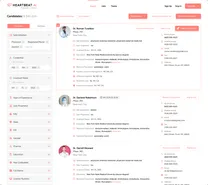
Heartbeat’s psychiatric nurses email database offers detailed and current information for connecting with mental health nursing professionals across the U.S. Here’s what you can expect from this database:
- Detailed contact records: names, locations, phone numbers, email addresses, and specializations, giving you enough context to qualify a contact before you reach out.
- Ongoing data refresh: Heartbeat updates contacts on a recurring basis to cut down on stale or incorrect information sitting in your list.
- State-level filtering: segment by state or region for licensing-specific or geographically targeted outreach.
- Specialty tagging: records include the nurse’s area of focus within psychiatric care, so messaging can be relevant instead of generic.
- Custom list building: filter and export based on the criteria that matter for a specific campaign rather than working from one static file.
Types of Data Included in Psychiatric Nurses Mailing List
- Name
- Location
- Contact numbers (work, cell, mobile)
- Email address
- Specialization
- Years of experience
- Sole proprietor status
- Licensed states
- License number
- Fax
- Address
 Accuracy & coverage of personal contact info were unrivaled by other platforms… this gives any healthcare recruiter a competitive advantage when engaging hard-to-reach healthcare providers.
Senior Growth Strategist






Benefits of Using Valid Psychiatric Nurses Mailing Lists
An accurate, verified list changes the economics of outreach. Instead of guessing whether a message landed, you’re working from contacts that are more likely to be current.
- Direct communication: accurate emails mean your message reaches the intended recipient without delay.
- Better response rates: targeted lists tend to see higher engagement than broad, unfiltered contact dumps.
- Stronger networking: a clean nurses email list makes it easier to build genuine professional connections in psychiatric nursing.
- Lower bounce rates: fewer bounces mean less wasted sending volume and better deliverability over time.
- Trust and credibility: correctly addressed, relevant emails are more likely to be read rather than dismissed as spam.
For those looking to expand their reach within the healthcare sector, our Oncology Nurses Email List and Neonatal Nurses Email List offer further specialized targeting options for adjacent nursing specialties.
Who Are You Likely to See in Our Email List of Psychiatric Nurses?
The psychiatric nursing field covers several distinct roles, each with different responsibilities and different reasons to be contacted.
| Psychiatric Nurses Categories |
| Tele-psychiatric Nurses |
| Child Psychiatrist Nurses |
| Mental Health Nurse Practitioner |
| Psychiatric Nurse Practitioner |
| Psychiatric Mental Health Nurse Practitioners |
Available Psychiatric Nurses in Our Email List by States
Licensing is state-specific, so a state-level breakdown is useful for compliance-sensitive outreach, recruitment for a specific facility, or research limited to a particular region.
| Psychiatric Nurses By States |
| Psychiatric Nurses in Alabama |
| Psychiatric Nurses in Alaska |
| Psychiatric Nurses in Arizona |
| Psychiatric Nurses in Arkansas |
| Psychiatric Nurses in California |
| Psychiatric Nurses in Colorado |
| Psychiatric Nurses in Connecticut |
| Psychiatric Nurses in Delaware |
| Psychiatric Nurses in Florida |
| Psychiatric Nurses in Georgia |
| Psychiatric Nurses in Hawaii |
| Psychiatric Nurses in Idaho |
| Psychiatric Nurses in Illinois |
| Psychiatric Nurses in Indiana |
| Psychiatric Nurses in Iowa |
| Psychiatric Nurses in Kansas |
| Psychiatric Nurses in Kentucky |
| Psychiatric Nurses in Louisiana |
| Psychiatric Nurses in Maine |
| Psychiatric Nurses in Maryland |
| Psychiatric Nurses in Massachusetts |
| Psychiatric Nurses in Michigan |
| Psychiatric Nurses in Minnesota |
| Psychiatric Nurses in Mississippi |
| Psychiatric Nurses in Missouri |
| Psychiatric Nurses in Montana |
| Psychiatric Nurses in Nebraska |
| Psychiatric Nurses in Nevada |
| Psychiatric Nurses in New Hampshire |
| Psychiatric Nurses in New Jersey |
| Psychiatric Nurses in New Mexico |
| Psychiatric Nurses in New York |
| Psychiatric Nurses in North Carolina |
| Psychiatric Nurses in North Dakota |
| Psychiatric Nurses in Ohio |
| Psychiatric Nurses in Oklahoma |
| Psychiatric Nurses in Oregon |
| Psychiatric Nurses in Pennsylvania |
| Psychiatric Nurses in Rhode Island |
| Psychiatric Nurses in South Carolina |
| Psychiatric Nurses in South Dakota |
| Psychiatric Nurses in Tennessee |
| Psychiatric Nurses in Texas |
| Psychiatric Nurses in Utah |
| Psychiatric Nurses in Vermont |
| Psychiatric Nurses in Virginia |
| Psychiatric Nurses in Washington |
| Psychiatric Nurses in West Virginia |
| Psychiatric Nurses in Wisconsin |
| Psychiatric Nurses in Wyoming |
How Do We Compile Our Data to Create a Mailing List of Psychiatric Nurses?
Building a specialty nursing list is a matter of process discipline more than volume. Here’s what goes into it:
- Multiple industry sources: data is pulled from a range of healthcare industry sources rather than a single directory, reducing single-point failure risk.
- Ongoing verification: incoming records are checked against existing data rather than added blindly.
- Deduplication and cleaning: the database is periodically cleaned to remove duplicate or outdated entries.
- Filtering options: users can narrow the list by specialty, state, or other criteria instead of working from one undifferentiated export.
- Regular maintenance: the list is revisited on an ongoing basis rather than treated as a one-time build.
Why Choose Heartbeat.ai’s Psychiatric Nurses Mailing List?
A few factors are worth weighing when comparing providers for a specialty nursing list.

Data Accuracy
Accurate contact data reduces wasted time chasing bounced emails and disconnected numbers, which matters more for a niche specialty like psychiatric nursing where the total pool of contacts is smaller than general nursing.
Database Coverage
A broad underlying healthcare provider database means more room to cross-reference and refine a psychiatric nursing segment rather than working from a thin, static list.
Reliability Over Time
Look for a provider with a demonstrated pattern of keeping data current rather than a one-time snapshot that ages out within months.
Ease of Use
Tools like the Heartbeat prospector let you search by specialty and subspecialty, and the Chrome extension extends contact lookup across LinkedIn, Facebook, and the broader web.
Practical Value
Detailed contact information helps you make more informed decisions about who to reach and how, rather than sending broad, undifferentiated messages.
What to Consider When Getting a Psychiatric Nurses Email List
Before committing to a list, check it against these criteria.

Source Reliability
Data sourced from credible healthcare institutions or professional databases is more likely to reflect real-world accuracy than scraped or purchased lists of unknown origin.
Consent and Privacy
Confirm the list respects applicable privacy and data protection requirements. This is not a formality; it affects deliverability, legal exposure, and professional trust.
Update Frequency
Ask how often the provider refreshes records. Healthcare professionals change employers and contact details often enough that a list updated only once a year will degrade quickly.
Provider Reputation
A provider with an established reputation in healthcare data is generally a safer bet than one offering unusually low prices for unusually large volumes.
Depth of Detail
A useful list goes beyond an email address, including specialization and work setting so you can segment and personalize messaging.
Who Uses a Psychiatric Nurses Email List?
This kind of list serves a fairly specific set of use cases.

Mental Health Researchers
Researchers use these contacts to reach practicing psychiatric nurses for input on treatment approaches and patient care practices, which supports real-world data collection alongside published literature.
Pharmaceutical Companies
Pharma teams use targeted contact lists to share information about clinical trials, seek research collaboration, or distribute educational material about new treatment options relevant to psychiatric care.
Healthcare Recruitment Agencies
Recruiters use specialty nursing contacts to identify and reach candidates directly, and to share job openings or continuing education resources with a qualified, relevant audience.
Research and Academic Institutions
Universities and research bodies use these lists to invite psychiatric nurses to lectures, collaborative studies, or continuing education programs.
Telehealth and Teletherapy Platforms
As virtual mental health care has expanded, platforms use targeted outreach to recruit psychiatric nurses interested in providing remote care.
How to Use a Psychiatric Nurses Email List Effectively
Having accurate contacts is only half the job. What you do with them determines whether the list pays off.

Know Your Audience
Understand the day-to-day realities of psychiatric nursing, common workplace pressures, and what information would genuinely be useful to this group before drafting outreach.
Set a Clear Objective
Decide upfront whether you’re recruiting, promoting a product, or building research relationships. A vague goal produces a vague email.
Write Content Worth Reading
Industry news, relevant research summaries, or professional development opportunities tend to perform better than a generic sales pitch.
Personalize Where It Matters
Using a recipient’s name and referencing their specific role or setting increases the odds an email gets opened rather than deleted.
Treat It as Networking, Not Just Outreach
Some of the best use of a specialty contact list is relationship-building: sharing useful resources, offering to help, or inviting feedback rather than pushing a transaction every time.
Track and Adjust
Open rates, click-through rates, and reply rates tell you what’s working. A list without follow-up measurement is a wasted investment.
Conclusion
A psychiatric nurses email list is only as useful as its accuracy and how thoughtfully it’s used. Source quality, update frequency, and privacy compliance matter more than raw list size. Combined with clear objectives and relevant content, an accurate list becomes a genuinely useful tool for recruitment, research outreach, or clinical marketing in the mental health space.
Heartbeat offers a psychiatric nurses mailing list built to support these use cases with detailed, filterable contact data.
FAQ
How do I integrate the psychiatric nurses email directory into my CRM?
Import the list following your CRM’s standard contact-import process, and confirm you have the right to use the list for that purpose before uploading.
Is it legal to use a psychiatric nurses database for marketing purposes?
This depends on applicable data protection and marketing consent laws, which vary by jurisdiction and use case. Confirm compliance requirements with legal counsel before running campaigns.
What should I do if I receive a high bounce rate from the list?
Clean the list by removing invalid or outdated addresses. Persistent high bounce rates can damage your sender reputation and deliverability.
How is the confidentiality of contacts in the list maintained?
Reputable providers follow privacy and data protection practices for how contact data is stored and used. Ask any provider directly about their specific safeguards before purchasing.