Last updated: August 29, 2026
Reaching oncology nurses by email or phone is harder than it sounds. This group moves between hospital systems, infusion centers, and specialty clinics, and job titles vary from one health system to the next. A generic nursing contact list rarely holds up once you start segmenting by specialty, license state, or years of experience.
This page covers what’s actually in an oncology nurses contact list, how that kind of data gets compiled and verified, and what to check before you buy one. It also breaks down practical use cases for recruiters, marketers, and health system teams who need to reach this specialty group directly.
What’s on this page:
What’s Included in Heartbeat’s Oncology Nurses Email List
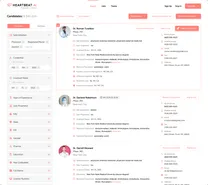
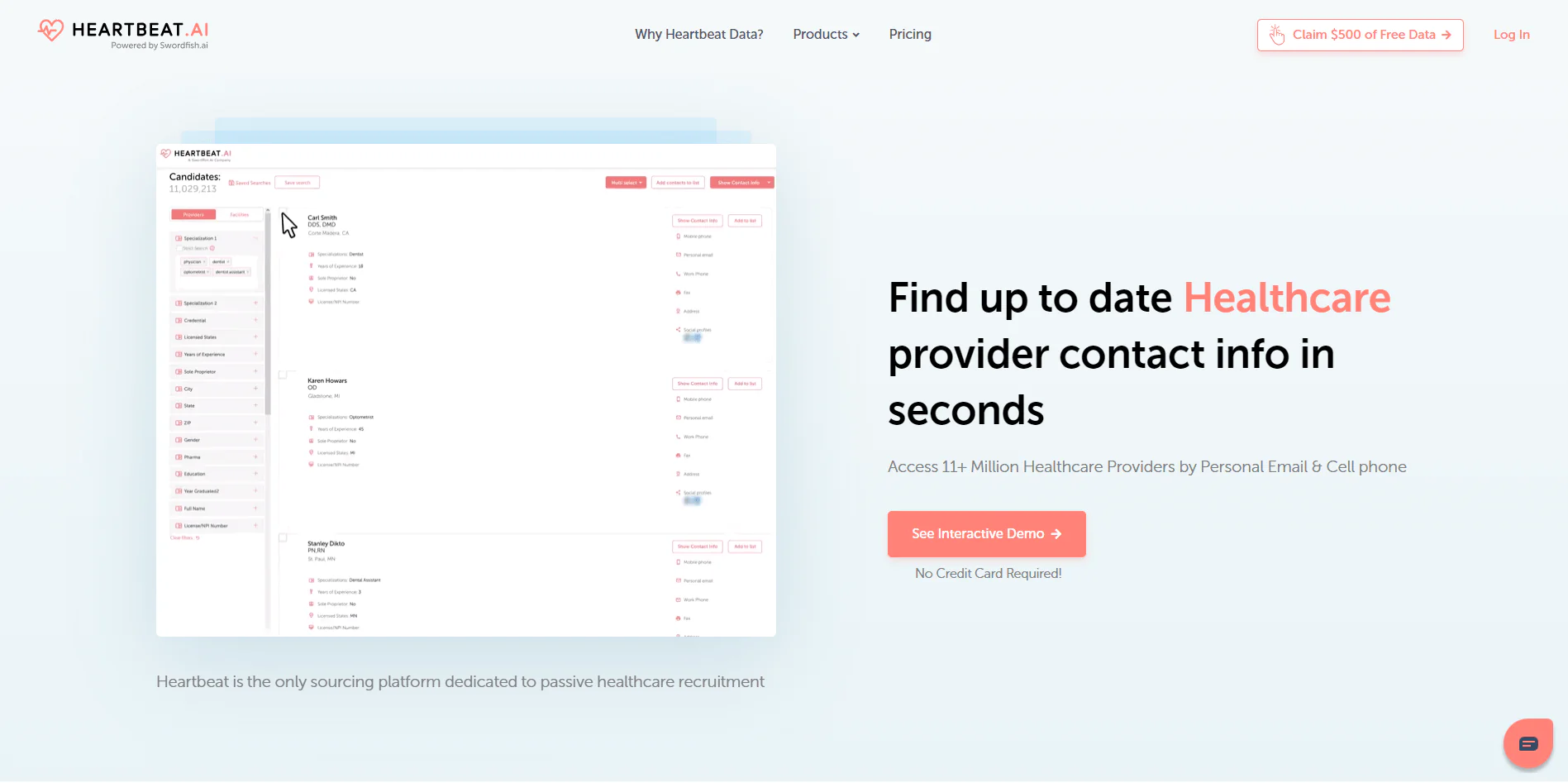
Heartbeat maintains a database of nurse contact records that includes oncology specialists, built from names, locations, phone numbers, email addresses, and specialization details. Our database includes over 5,800,000 nurses’ contact details, including oncology nurses.
A few things distinguish a usable list from a stale spreadsheet:
- Verification, not just collection: Contact records go through a checking process before they’re delivered, which matters more for compliance than most buyers realize.
- CRM-ready formatting: Records are structured to drop into most CRM and outreach tools without a lot of manual cleanup.
- Specific use cases: Recruitment agencies, continuing-education providers, medical publishers, and hospital systems tend to be the primary users of this kind of list, since the audience is narrow and hard to build manually.
Data Fields Typically Included
- Name
- Location
- Contact numbers (work, cell, mobile)
- Email address
- Specialization
- Years of experience
- Sole proprietor status
- Licensed states
- License number
- Fax
- Mailing address
 Accuracy & coverage of personal contact info were unrivaled by other platforms… this gives any healthcare recruiter a competitive advantage when engaging hard-to-reach healthcare providers.
Senior Growth Strategist





Why a Clean Email List Matters
A stale or unverified list doesn’t just waste budget — it can actively hurt deliverability for future campaigns. Bounced emails and spam complaints damage sender reputation, which affects every message you send afterward, not just the one campaign. A few concrete benefits of working from a maintained list:
- Better targeting: Segmented data lets you send messages that actually match a recipient’s role and specialty instead of a generic blast.
- Higher open and deliverability rates: Fewer bounces and spam flags mean your domain stays in good standing with mail providers.
- Compliance groundwork: Data used for outreach should be collected and used in line with applicable rules such as GDPR and CAN-SPAM. Under CAN-SPAM, commercial email must use accurate sender information, avoid misleading subject lines, identify itself as an advertisement, and include a working opt-out mechanism — and these rules apply to B2B email too, not just consumer marketing.
- Lower cost per qualified contact: A properly segmented list reduces wasted sends to nurses who’ve changed employers, retired, or moved specialties.
Oncology Nursing Categories in the List
Oncology nursing isn’t a single job title. The category spans several credential and role types, each with different outreach implications:
| Category |
| Registered Nurses |
| Advanced Practice Nurses |
| Oncology Certified Nurses |
| Nurse Anesthetist |
| Nurse Navigators |
| Licensed Practical Nurses |
Coverage by State
Because licensing is state-based, oncology nurse records are organized by state for compliance and targeting purposes.
| Oncology Nurses By States |
| Oncology Nurses in Alabama |
| Oncology Nurses in Alaska |
| Oncology Nurses in Arizona |
| Oncology Nurses in Arkansas |
| Oncology Nurses in California |
| Oncology Nurses in Colorado |
| Oncology Nurses in Connecticut |
| Oncology Nurses in Delaware |
| Oncology Nurses in Florida |
| Oncology Nurses in Georgia |
| Oncology Nurses in Hawaii |
| Oncology Nurses in Idaho |
| Oncology Nurses in Illinois |
| Oncology Nurses in Indiana |
| Oncology Nurses in Iowa |
| Oncology Nurses in Kansas |
| Oncology Nurses in Kentucky |
| Oncology Nurses in Louisiana |
| Oncology Nurses in Maine |
| Oncology Nurses in Maryland |
| Oncology Nurses in Massachusetts |
| Oncology Nurses in Michigan |
| Oncology Nurses in Minnesota |
| Oncology Nurses in Mississippi |
| Oncology Nurses in Missouri |
| Oncology Nurses in Montana |
| Oncology Nurses in Nebraska |
| Oncology Nurses in Nevada |
| Oncology Nurses in New Hampshire |
| Oncology Nurses in New Jersey |
| Oncology Nurses in New Mexico |
| Oncology Nurses in New York |
| Oncology Nurses in North Carolina |
| Oncology Nurses in North Dakota |
| Oncology Nurses in Ohio |
| Oncology Nurses in Oklahoma |
| Oncology Nurses in Oregon |
| Oncology Nurses in Pennsylvania |
| Oncology Nurses in Rhode Island |
| Oncology Nurses in South Carolina |
| Oncology Nurses in South Dakota |
| Oncology Nurses in Tennessee |
| Oncology Nurses in Texas |
| Oncology Nurses in Utah |
| Oncology Nurses in Vermont |
| Oncology Nurses in Virginia |
| Oncology Nurses in Washington |
| Oncology Nurses in West Virginia |
| Oncology Nurses in Wisconsin |
| Oncology Nurses in Wyoming |
How the Data Gets Compiled
Building a reliable oncology nurse list takes more than scraping a directory once. Our process includes:
- Cross-referencing: Records get checked against multiple sources rather than accepted on a single input.
- Quality control checks: Before delivery, records go through checks meant to catch inaccuracies and outdated entries.
- Sourcing from established channels: Data is gathered from more than 200 sources, including medical directories, healthcare institutions, and professional associations.
- Ongoing refresh cycles: Nurses change employers and roles often, so lists need regular updates to stay useful rather than being treated as a one-time purchase.
- Privacy and compliance awareness: Working within frameworks like GDPR and HIPAA where applicable is part of handling this kind of data responsibly.
What to Check Before Buying a List
Before committing budget to any provider, run through this short checklist:
- Freshness of the data: Ask how recently records were verified — lists that haven’t been touched in a year will have significant drift.
- Consent and compliance basis: Confirm the data was collected and can be used lawfully for your intended purpose, and that opt-out mechanisms are honored on your end.
- Segmentation options: Look for the ability to filter by role, location, and specialty rather than getting one undifferentiated file.
- Support after the sale: A provider that answers questions about data provenance and format issues is worth more than one that disappears after the download link is sent.
- Format compatibility: Check that the file structure matches what your CRM or outreach tool expects before you buy, not after.
Who Uses This Kind of List
A handful of buyer types make up most of the demand for oncology nursing contact data:
- Recruiters: Sourcing candidates for oncology-specific roles is faster with a segmented list than with general job board searches.
- Marketers: Promoting medical products, continuing education, or healthcare services to a defined specialty audience works better than a broad nursing blast.
- Hospital administrators: Networking or building partnerships with oncology nurses outside their own system sometimes starts with direct outreach.
- Oncology nurses themselves: Some use directories to connect with peers or stay current on developments in the field.
- Pharmaceutical companies: Communicating updates on treatments and products to the clinicians who administer them is a common use case.
- Health agencies: Public health communication sometimes needs a direct channel to specialty nursing staff.
Getting More Out of the List
Owning the data is only half the job — how you use it determines the return. A few practical guidelines:
- Match the message to the specialty: Generic pitches land poorly with a technical audience. Reference the actual work oncology nurses do rather than sending a template built for general nursing outreach.
- Keep recruitment emails concrete: Spell out the role, setting, and what makes the position different from a similar one elsewhere — vague “great opportunity” language gets ignored.
- Respect opt-outs immediately: Beyond being a legal requirement under CAN-SPAM, honoring opt-outs quickly protects your sender reputation for future campaigns.
- Segment before sending: Splitting the list by role, specialization, or state lets you tailor content instead of sending one message to everyone.
- Lead with something useful: Continuing education notices, research updates, or clearly relevant job openings perform better than pure promotional copy.
Bottom Line
Accurate, well-segmented contact data makes it possible to reach oncology nurses directly instead of hoping a generic campaign happens to land with the right person. That matters for recruiters filling specialized roles, marketers promoting relevant products or education, and health system teams trying to build professional connections.
The tradeoff is that this kind of data ages quickly and carries real compliance obligations. A provider that verifies records regularly, sources from legitimate channels, and supports proper segmentation is worth more than one offering a larger but stale file.
Frequently Asked Questions
How can an oncology nurses’ email list benefit recruiters?
A segmented list narrows the candidate pool to nurses with the relevant specialty and location, cutting down time spent sorting through general nursing job boards.
Can healthcare organizations benefit from an oncology nurses’ email list?
Yes — it can support networking, partnership building, and outreach for specialized programs that require connecting with oncology nursing staff outside a single institution.
How is list accuracy maintained?
Through cross-referencing multiple sources, periodic re-verification, and sourcing from established medical directories and professional associations rather than a single scrape.
How does the Oncology Nurses Email List relate to other nursing specialties?
Oncology care often overlaps with other specialties because cancer patients frequently need support beyond oncology-specific treatment. For example:
- Psychiatric nurses often support the mental health and emotional needs of cancer patients and their families. Learn more through our Psychiatric Nurses Email List.
- Dialysis nurses become relevant when cancer patients need renal care due to certain cancers or treatment side effects. Our Dialysis Nurses Email List can help you reach these specialists.