Last updated: August 28, 2026

Pediatric hematology-oncology is a small subspecialty. Industry estimates put the number of actively practicing pediatric hematologist-oncologists in the US somewhere in the low thousands, which makes this one of the harder physician groups to reach through generic outreach lists. A list that’s even slightly outdated can mean a large share of wasted sends.
Getting a working contact list for this specialty means dealing with a small, tightly clustered pool of specialists concentrated at academic medical centers and children’s hospitals. This article walks through what a usable pediatric hematology-oncologist contact list should include, how that data typically gets compiled, and what to check before you commit to a vendor.
What’s on this page:
About Heartbeat Pediatric Hematology-Oncologists Email Lists: What You Will Get
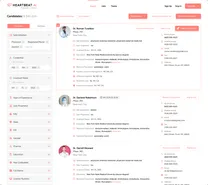
Heartbeat’s pediatric hematology-oncologists email list is built to support outreach across marketing, recruitment, and research use cases involving this specialist group.

- Broad range of contacts: Coverage spans pediatric hematology-oncologists across numerous locations, which matters given how thin this specialty is spread geographically.
- Customizable lists: You can filter by geography or sub-specialty within pediatric hematology-oncology rather than pulling the entire national list.
- Multipurpose usefulness: The same dataset supports marketing campaigns, educational outreach, recruitment, and collaborative research projects.
- Verified information: Contact data is checked against current sources on an ongoing basis, which helps reduce bounce rates compared with static, one-time-built lists.
- Professional detail beyond contact info: Records typically include specialization, practice location, and other identifying professional details, not just a name and email.
Types of Data Included in the Pediatric Hematology-Oncologists Database
- Pediatric Hematology-Oncologist Name
- Location
- Contact Numbers (Work, Cell, Mobile)
- Email Address
- Specialization
- Years of Experience
- Sole Proprietor Status
- Licensed States
- License Number
- Fax
- Address
 Accuracy & coverage of personal contact info were unrivaled by other platforms… this gives any healthcare recruiter a competitive advantage when engaging hard-to-reach healthcare providers.
Senior Growth Strategist






Why an Accurate Contact List Matters More in a Small Specialty
With a broader specialty like primary care, a few outdated records barely register. With a specialty as small as pediatric hematology-oncology, every bad email or disconnected phone number represents a meaningful chunk of your addressable audience. That’s the practical case for prioritizing accuracy over sheer list size.
- Targeting the right audience: A current list keeps your outreach focused on practicing pediatric hematology-oncologists rather than physicians who’ve retired, relocated, or changed specialties.
- Better response rates: Messages that land in an active inbox and speak to the recipient’s actual specialty tend to get more engagement than generic blasts.
- Lower cost per contact: Fewer bounces and undeliverable emails mean your budget goes further, especially important given how few specialists exist to reach in the first place.
- Room for personalization: Accurate specialization and location fields let you tailor messages instead of sending one-size-fits-all copy.
- Fresher contact details: Regular data refreshes matter more in a field where physicians frequently move between academic centers and children’s hospitals.
Who You’re Likely to See in a Pediatric Hematology-Oncologists Contact List
A comprehensive database in this space typically includes adjacent specialists whose work overlaps with pediatric hematology-oncology, including:
| Pediatric Hematology-Oncologists Categories |
| Pediatric Oncologists |
| Orthopaedic Oncologists |
| Pediatric Surgeons |
| Medical Oncologists |
| Musculoskeletal Pathologists |
| Musculoskeletal Radiologists |
| Radiation Oncologists |
| Surgical Oncologists |
Available Pediatric Hematology-Oncologists in Our Email List by State
Looking for coverage in a specific state? The table below links to our state-level breakdowns.
How This Kind of Data Gets Compiled
Building a mailing list for a niche specialty like this generally involves a few consistent steps:
- Pulling from multiple sources: Combining data from several partners produces broader, more reliable coverage than relying on a single directory.
- Verifying continuously: Contact details are cross-checked against current sources rather than validated once at build time.
- Applying filters: Users can narrow by geography or sub-specialty to match their specific outreach goals.
- Working from a consent-based model: Records are included based on established consent practices, which matters for both deliverability and compliance.
- Refreshing regularly: Ongoing maintenance catches job changes, retirements, and new licensure that a static list would miss.
Why Consider Heartbeat.ai’s Pediatric Hematology-Oncologists Mailing List
Heartbeat’s list is built around a few core strengths worth weighing against other options in the market.

Broad Coverage With Customization Options
The list spans pediatric hematology-oncologists across the US and can be filtered down to the audience segment that matches your campaign.
Compliance-Minded Data Practices
Data is compiled with attention to consent and applicable communication regulations, which is a baseline requirement for responsible healthcare outreach.
Access to a Larger Provider Database
Heartbeat.ai maintains a database covering millions of US healthcare professionals, so pediatric hematology-oncologist records sit within a broader network you can also tap for adjacent specialties.
Flexible Data Use
Heartbeat Prospector supports different targeting approaches, so the same underlying data can serve marketing, recruitment, or research workflows.
Direct Marketing and Specific Targeting
Filtering options make it easier to build campaigns aimed at a defined subset within pediatric hematology-oncology rather than the whole specialty.
Chrome Extension for Cross-Platform Lookups
The Chrome extension lets you look up contact details while browsing platforms like LinkedIn, adding a research option beyond the core list.
What to Check Before Buying a Pediatric Hematology-Oncologists Email Database
A few questions are worth asking any vendor before you commit budget to a list.

Accuracy and Legal Compliance
Ask how contact details are verified and whether the collection process follows applicable healthcare communication regulations.
Consent and Privacy Practices
Confirm that email addresses were gathered in a way that respects the privacy of the pediatric hematology-oncologists on the list.
Fit With Your Actual Needs
A list should match your target geography or sub-specialty rather than force you to sort through irrelevant records.
Update Frequency
Ask how often records are refreshed. A list updated quarterly behaves very differently from one updated in real time.
Source Transparency
Vendors that can explain where their data comes from are generally more trustworthy than those that treat sourcing as a black box.
Depth of Professional Detail
Look for fields beyond email addresses, such as specialization and practice location, that let you personalize outreach.
Who Typically Uses This Kind of List
A pediatric hematology-oncologist contact list tends to serve a handful of recurring use cases.

Clinical Research Organizations
CROs use these lists to recruit for trials, propose research collaborations, or share findings relevant to pediatric blood disorders and cancers.
Medical Marketing Agencies
Agencies handling healthcare marketing campaigns use the list to keep outreach focused on an audience actually working in this specialty.
Educational Institutions
Medical schools and residency programs use contact lists to invite specialists to guest-lecture or participate in training and mentorship.
Pharmaceutical Companies
Pharma teams use the list to communicate about new treatments, drug approvals, or clinical trial opportunities relevant to pediatric oncology practice.
Medical Device Manufacturers
Device makers with products relevant to pediatric hematology and oncology use the list to introduce new equipment or gather clinical feedback.
A Practical Workflow for Using This List Well
Having the list is only the first step. How you use it affects response rates as much as list accuracy does.

- Understand your recipients. Know the clinical and professional context pediatric hematology-oncologists work in before drafting anything.
- Set a clear objective per campaign. A product update, a conference invitation, and a research request all need different messaging.
- Write messages worth reading. Reference relevant research, industry news, or case material rather than generic sales copy.
- Personalize where it counts. Using a recipient’s name and specialty context increases the odds your message gets opened.
- Use email for relationship-building, not just pitches. Invitations to webinars or conferences build longer-term connections than one-off promotional sends.
- Track results and adjust. Open rates, click-throughs, and reply rates tell you what’s working and what to change next time.
Limitations Worth Knowing
No purchased or licensed list is perfect. Contact data changes as physicians move between institutions, retire, or shift specialties, so even a well-maintained list needs periodic re-verification on your end. Given how small this specialist pool is, expect narrower total reach than you’d get targeting larger specialties, and plan your campaign volume accordingly.
Conclusion
Reaching pediatric hematology-oncologists effectively comes down to two things: starting with contact data that’s actually current, and using it with messaging that respects how small and specialized this physician group is. A well-maintained list solves the first problem; a thoughtful outreach workflow solves the second.
If you’re evaluating options for this kind of outreach, Heartbeat.ai’s data covers pediatric hematology-oncologists alongside a broader healthcare professional database.
FAQs
Can I promote products or services using a pediatric hematology-oncologists contact list?
Yes, as long as the content is relevant to the recipient’s practice and complies with applicable healthcare communication regulations.
Are there alternatives to email lists for reaching pediatric hematology-oncologists?
Professional networking platforms, industry conferences, and medical journal advertising are common alternatives or complements to email outreach.
Can I get regional or sub-specialty-specific lists?
Yes, lists can typically be filtered to specific geographic areas or sub-specialties within pediatric hematology-oncology.
Can the list be customized to my specific business needs?
Yes, customization by geography, sub-specialty, or other criteria is generally available to match your outreach goals.