Last updated: August 31, 2026
Nuclear medicine specialists work at the intersection of imaging and treatment, using radioactive tracers to help diagnose and manage conditions ranging from thyroid disorders to certain cancers. In Michigan, these professionals work across hospital systems, diagnostic imaging centers, and academic medical centers. For recruiters, medical device or pharma sales teams, and healthcare marketers, reaching this group directly is harder than it sounds — nuclear medicine is a small specialty, and public directories rarely include working phone numbers or current email addresses.
This page walks through what makes contact discovery difficult in this specialty, what a usable contact list should include, and how Heartbeat’s provider data can support outreach to nuclear medicine specialists in Michigan.
What’s on this page:
Nuclear Medicine in Michigan’s Healthcare Landscape
Michigan has a well-established academic and hospital-based healthcare system, with major health systems such as Michigan Medicine (University of Michigan) and Beaumont Health operating nuclear medicine and diagnostic imaging services. Nuclear medicine specialists in the state typically work alongside radiology, cardiology, and oncology teams, since radioactive tracer imaging supports diagnosis and treatment planning across those specialties.
Because the specialty requires specific board certification and equipment, the number of practicing nuclear medicine specialists in any single state is relatively small compared to primary care or general radiology. That scarcity is part of why finding accurate, current contact information matters — there’s less room for outdated data to be offset by sheer volume.
Why Accurate Contact Data Matters Here
Outdated or incomplete contact information causes real friction for a few different groups:
- Recruiters lose time chasing disconnected numbers or bounced emails when trying to fill a vacancy in a specialty with a limited talent pool.
- Healthcare marketers and pharma or device reps need a reliable way to reach specialists who influence imaging and treatment decisions.
- Referring providers and administrators benefit from having verified, direct lines to specialists rather than routing through general hospital switchboards.
In a specialty this narrow, one wrong number or stale email can mean missing the only specialist available in a given region or facility.
Why This Specialty Is Hard to Build a List For
A few factors make nuclear medicine specialist contact data harder to compile than for larger specialties:
- Small practitioner pool. Fewer professionals means fewer public records to cross-reference.
- Privacy and licensing rules. Contact details are often withheld from public license lookups beyond basic practice location.
- Job movement. Specialists move between hospital systems, academic appointments, and private practice, which makes static lists go stale quickly.
- Fragmented sourcing. Information is scattered across hospital directories, state licensing boards, and professional association listings, none of which is a single source of truth.
Databases that combine multiple verified data sources and refresh regularly tend to hold up better than one-time directory scrapes, simply because they can catch changes in practice location or credentials sooner.
What a Nuclear Medicine Specialist Contact List Should Include
A usable list should go beyond a name and a general hospital line. At minimum, look for:
- Full name and specialization
- Direct or mobile phone number
- Professional email address
- Current practice location
- Licensed state(s) and license number
- Years of experience
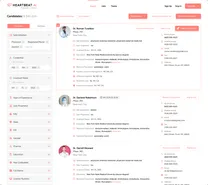
Heartbeat.ai compiles this kind of data for licensed healthcare professionals, including nuclear medicine specialists, drawing on multiple public and licensed data sources rather than a single directory. Records typically include contact numbers, email addresses, practice details, and licensing information, which supports more targeted outreach than a generic hospital directory search.
Nuclear Medicine Specialist Lists by State
Explore nuclear medicine specialist contact data sorted by state.
| Nuclear medicine specialist list by states |
|---|
| Nuclear medicine specialist list in Alabama |
| Nuclear medicine specialist list in Alaska |
| Nuclear medicine specialist list in Arizona |
| Nuclear medicine specialist list in Arkansas |
| Nuclear medicine specialist list in California |
| Nuclear medicine specialist list in Colorado |
| Nuclear medicine specialist list in Connecticut |
| Nuclear medicine specialist list in Delaware |
| Nuclear medicine specialist list in Florida |
| Nuclear medicine specialist list in Georgia |
| Nuclear medicine specialist list in Hawaii |
| Nuclear medicine specialist list in Idaho |
| Nuclear medicine specialist list in Illinois |
| Nuclear medicine specialist list in Indiana |
| Nuclear medicine specialist list in Iowa |
| Nuclear medicine specialist list in Kansas |
| Nuclear medicine specialist list in Kentucky |
| Nuclear medicine specialist list in Louisiana |
| Nuclear medicine specialist list in Maine |
| Nuclear medicine specialist list in Maryland |
| Nuclear medicine specialist list in Massachusetts |
| Nuclear medicine specialist list in Michigan |
| Nuclear medicine specialist list in Minnesota |
| Nuclear medicine specialist list in Mississippi |
| Nuclear medicine specialist list in Missouri |
| Nuclear medicine specialist list in Montana |
| Nuclear medicine specialist list in Nebraska |
| Nuclear medicine specialist list in Nevada |
| Nuclear medicine specialist list in New hampshire |
| Nuclear medicine specialist list in New jersey |
| Nuclear medicine specialist list in New mexico |
| Nuclear medicine specialist list in New york |
| Nuclear medicine specialist list in North carolina |
| Nuclear medicine specialist list in North dakota |
| Nuclear medicine specialist list in Ohio |
| Nuclear medicine specialist list in Oklahoma |
| Nuclear medicine specialist list in Oregon |
| Nuclear medicine specialist list in Pennsylvania |
| Nuclear medicine specialist list in Rhode island |
| Nuclear medicine specialist list in South carolina |
| Nuclear medicine specialist list in South dakota |
| Nuclear medicine specialist list in Tennessee |
| Nuclear medicine specialist list in Texas |
| Nuclear medicine specialist list in Utah |
| Nuclear medicine specialist list in Vermont |
| Nuclear medicine specialist list in Virginia |
| Nuclear medicine specialist list in Washington |
| Nuclear medicine specialist list in West virginia |
| Nuclear medicine specialist list in Wisconsin |
| Nuclear medicine specialist list in Wyoming |
How Heartbeat Approaches Contact Data
Heartbeat.ai builds its healthcare provider database from a combination of public licensing records, professional listings, and other verified sources, rather than relying on a single directory. Records are cross-referenced and updated to reduce the likelihood of outdated numbers or emails, which matters more in a small specialty like nuclear medicine where there’s less redundancy to fall back on if one contact point is wrong.
Typical record fields include name, location, specialization, direct and mobile phone numbers, email address, license number and state, years of experience, and practice address.
Who Uses This Kind of List
Contact data for nuclear medicine specialists gets used differently depending on the role:
- Healthcare recruiters sourcing candidates for imaging or nuclear medicine roles at hospitals and clinics.
- Medical device and pharmaceutical teams reaching specialists who influence imaging protocol or treatment decisions.
- Marketing teams running targeted campaigns for continuing education, conferences, or new imaging technology.
- Referral coordinators and administrators who need a direct line rather than a general hospital switchboard number.
A Few Practical Notes on Outreach
A short list matters more than a long one in this specialty. A handful of verified, current contacts will usually outperform a large list padded with stale entries. When reaching out to specialists directly:
- Keep messages brief and specific about why you’re reaching out.
- Reference the specialist’s actual area within nuclear medicine (diagnostic imaging, therapy, cardiology-adjacent work) rather than a generic pitch.
- Respect that clinical schedules are tight — a short, clear message gets read faster than a long one.
- Confirm licensing and current practice location before assuming a contact is still active, since specialists in this field do move between institutions.
None of this replaces verifying credentials directly with a state licensing board when accuracy matters for compliance or credentialing purposes — a purchased or aggregated contact list is a starting point for outreach, not a substitute for that verification.
Frequently Asked Questions
How can I find a list of nuclear medicine specialists in Michigan?
Online provider databases, hospital and health system directories, and specialty-focused data providers like Heartbeat.ai are practical starting points. Local hospitals and imaging centers can also refer you to specialists on staff.
What qualifications should I look for in a nuclear medicine specialist?
Board certification in nuclear medicine and completion of an accredited residency or fellowship are standard baseline qualifications. Additional certifications or subspecialty training may be relevant depending on the clinical need.
Are there recommended nuclear medicine specialists in Michigan?
Specific recommendations fall outside the scope of a contact data resource. Referrals from a primary care physician, hospital referral coordinator, or patient reviews are more appropriate ways to identify a specific specialist for clinical needs.
Can you provide a current list of nuclear medicine specialists in Michigan?
Specialist rosters change as professionals move between institutions, so a static published list would go out of date quickly. Provider data platforms that refresh regularly, such as Heartbeat.ai, are better suited to keeping pace with those changes than a fixed list.