Last updated: August 30, 2026
Finding accurate contact information for nephrologists in Utah matters for a specific set of people: healthcare recruiters filling renal care openings, medical device and pharma reps targeting kidney specialists, and organizations building referral or research networks. Contact data that’s outdated by even a few months can mean wasted outreach, missed hiring windows, and bounced emails.
This guide covers the state of nephrology in Utah, why contact accuracy is harder than it looks in a state with large rural stretches, and how Heartbeat.ai’s contact database can support outreach to this specialty.
What’s on this page:
Get an Email List of Nephrologists in Utah from Heartbeat
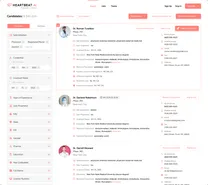
Heartbeat.ai’s database covers licensed healthcare professionals across the United States, including nephrologists practicing in Utah. Filters let you narrow results by location, specialization, years of experience, and licensing status, so you can build a targeted list instead of working through a generic directory.
The list includes general nephrologists as well as subspecialists in pediatric nephrology, transplant nephrology, interventional nephrology, and dialysis care. Each of these roles requires a different outreach approach, so knowing which type of specialist you’re contacting before you reach out saves time on both sides.
If you need a broader nephrology directory or a narrower slice focused on one subspecialty, Heartbeat.ai’s platform lets you adjust your search criteria and export the results you need.
Nephrology Care in Utah: A Quick Overview
Utah’s healthcare system includes a meaningful number of practicing nephrologists, though counts vary by source and change over time. One directory reported 95 nephrologists in Utah, and 74 of those doctors practice at a U.S. News Best Regional Hospital. Major systems providing renal care in the state include University of Utah Health, Intermountain Health, and regional hospitals across the Salt Lake Valley and beyond.
University of Utah Health’s kidney transplant program has been caring for patients with end-stage renal disease since 1965, and the university’s nephrology division also trains fellows in general and transplant nephrology. Intermountain Health operates nephrology clinics tied to multiple hospital campuses across the state, including facilities outside the Salt Lake City metro area, which matters for reaching providers based in less densely populated regions.
Why Accurate Contact Information Matters
Bad contact data has different consequences depending on who’s using it.
- Patients and families lose time trying to schedule appointments or reach a provider’s office when numbers or emails are outdated.
- Recruiters and hiring managers miss candidates entirely, or spend hours confirming information that a current database would have provided instantly.
- Industry professionals and researchers building referral networks or conducting outreach face delays and dead ends that slow down collaboration.
None of these problems are unique to nephrology, but the specialty’s relatively small provider pool in a state like Utah makes each inaccurate contact a bigger loss relative to the total addressable audience.
Why Finding Nephrologists in Utah Can Be Difficult
A few factors make this specialty harder to search for than more common ones:
- Population distribution. Much of Utah outside the Salt Lake Valley is rural, and specialist coverage tends to concentrate in urban and suburban hubs.
- Fragmented listings. Provider directories maintained by individual hospital systems don’t always sync with each other, so a nephrologist’s current affiliation or contact details can lag behind reality.
- Limited public awareness. Nephrology is a less visible specialty than primary care or cardiology, which means fewer general-purpose directories keep detailed, current listings.
Centralized databases that pull from multiple sources and get refreshed regularly help close this gap. Filtering by location, specialization, and availability turns a scattered search into something closer to a direct lookup. Telehealth options, where offered, can also reduce the practical burden of distance for patients in rural counties, though availability varies by provider and by payer.
What’s Included in Heartbeat’s Nephrologist Contact Data
Heartbeat.ai’s records for nephrologists typically include the following fields, where available:
- Name
- Location
- Contact numbers (work, cell, mobile)
- Email address
- Specialization
- Years of experience
- Sole proprietor status
- Licensed states
- License number
- Fax
- Address
Available Nephrologists in Our Contact List by State
Browse nephrologist contact data for other states below.
| Nephrologists by states |
|---|
| Nephrologists in Alabama |
| Nephrologists in Alaska |
| Nephrologists in Arizona |
| Nephrologists in Arkansas |
| Nephrologists in California |
| Nephrologists in Colorado |
| Nephrologists in Connecticut |
| Nephrologists in Delaware |
| Nephrologists in Florida |
| Nephrologists in Georgia |
| Nephrologists in Hawaii |
| Nephrologists in Idaho |
| Nephrologists in Illinois |
| Nephrologists in Indiana |
| Nephrologists in Iowa |
| Nephrologists in Kansas |
| Nephrologists in Kentucky |
| Nephrologists in Louisiana |
| Nephrologists in Maine |
| Nephrologists in Maryland |
| Nephrologists in Massachusetts |
| Nephrologists in Michigan |
| Nephrologists in Minnesota |
| Nephrologists in Mississippi |
| Nephrologists in Missouri |
| Nephrologists in Montana |
| Nephrologists in Nebraska |
| Nephrologists in Nevada |
| Nephrologists in New hampshire |
| Nephrologists in New jersey |
| Nephrologists in New mexico |
| Nephrologists in New york |
| Nephrologists in North carolina |
| Nephrologists in North dakota |
| Nephrologists in Ohio |
| Nephrologists in Oklahoma |
| Nephrologists in Oregon |
| Nephrologists in Pennsylvania |
| Nephrologists in Rhode island |
| Nephrologists in South carolina |
| Nephrologists in South dakota |
| Nephrologists in Tennessee |
| Nephrologists in Texas |
| Nephrologists in Utah |
| Nephrologists in Vermont |
| Nephrologists in Virginia |
| Nephrologists in Washington |
| Nephrologists in West virginia |
| Nephrologists in Wisconsin |
| Nephrologists in Wyoming |
How Heartbeat Compiles This Data
Heartbeat.ai aggregates provider information from a range of public and private sources and cross-references it to keep records current. The goal is to reduce the manual verification work that typically slows down recruiting and outreach — checking a provider’s license status, current practice location, and contact details one by one across multiple directories.
No contact database is perfect. Providers change practices, retire, or update their contact preferences faster than any directory can track in real time. Treat Heartbeat’s data as a strong starting point for outreach, not a guarantee that every field is current at the moment you search.
Who Uses Nephrologist Contact Lists?
A few common use cases:
- Recruiters and staffing agencies sourcing candidates for renal care positions at hospitals, dialysis centers, or private practices.
- Medical device, pharma, and diagnostics companies building targeted outreach to specialists relevant to kidney care.
- Researchers and non-profits engaging nephrologists for studies, surveys, or advocacy work.
- Referral coordinators connecting patients with specialists based on location or subspecialty.
Anyone using this kind of data should be mindful of privacy regulations and professional communication norms — an accurate contact isn’t an invitation to spam.
How to Use a Nephrologist Contact List Effectively
- Segment before you send anything. A general nephrologist and a pediatric transplant specialist have different priorities. Group your list accordingly.
- Lead with something specific. Generic outreach gets ignored. Reference the recipient’s subspecialty, location, or practice setting.
- Respect their time. Keep messages short and get to the point in the first line or two.
- Match the channel to the goal. Email tends to work better for detailed information; a phone call may be more appropriate for time-sensitive recruiting.
- Follow up once, not repeatedly. A single, well-timed follow-up is usually more effective than repeated messages.
- Stay compliant. Make sure your outreach practices align with applicable privacy and communication regulations before sending bulk messages.
Summing Up
Utah’s nephrology workforce is concentrated around a handful of major health systems, with fewer providers spread across its rural areas. That combination makes accurate, current contact data more valuable than it would be in a specialty with a larger, more evenly distributed provider base. A well-maintained database narrows the gap between knowing a specialist exists and actually being able to reach them.
Frequently Asked Questions
What is a nephrologist?
A nephrologist is a medical doctor who specializes in the diagnosis and treatment of kidney diseases.
How can I find nephrologists in Utah?
You can search online directories, contact local hospitals or clinics, or ask for a referral from your primary care physician.
What services do nephrologists provide?
Nephrologists diagnose and manage kidney disease, oversee dialysis care, support kidney transplant patients, and manage related conditions such as electrolyte and fluid imbalances.