Last updated: August 31, 2026
Finding accurate contact information for nephrologists in Florida is a recurring problem for healthcare recruiters, medical device sales teams, and clinical partnership managers. Kidney specialists move between practices, hospital systems merge, and public directories go stale fast. This guide covers what nephrology care looks like in Florida, why contact accuracy matters for outreach, and how to build a workable data sourcing strategy.
What’s on this page:
Nephrology Care in Florida: A Quick Overview
Florida’s nephrology landscape includes major academic and health system programs alongside independent kidney practices. The Department of Nephrology and Hypertension at Cleveland Clinic in Florida provides complete care for common and complex kidney diseases, and its kidney medicine specialists help people who have kidney disease, high blood pressure and other kidney-related issues. Its team offers comprehensive kidney services including medications, dialysis management, and kidney transplant care.
Mayo Clinic Florida is a comprehensive medical center belonging to the Mayo Clinic in Jacksonville, Florida. On the transplant side, Mayo Clinic Florida continues to maintain a solid annual volume in kidney, pancreas and simultaneous kidney-pancreas transplantation and has exceeded two hundred kidney transplants per year for several years, while the Cleveland Clinic Florida Kidney Transplant Treatment Program performs between 150-200 kidney transplants annually. Independent groups such as Florida Kidney Physicians also operate multiple locations across the Tampa Bay, Jacksonville, and Southwest Florida regions, reflecting how dispersed the state’s nephrology workforce actually is.
It’s worth noting what nephrologists actually do clinically, since this affects how you segment outreach lists. Nephrologists are medical doctors who specialize in diagnosing and managing kidney disease, including monitoring how other chronic conditions, such as diabetes and high blood pressure, affect the kidneys, and they typically do not perform surgery. That distinction matters if you’re building lists for surgical device outreach versus medication or dialysis-related communications — a general nephrology list will include very few surgeons, since transplant surgery is usually handled by separate transplant surgery teams working alongside nephrologists.
Why Contact Accuracy Matters More Than List Size
A long list of names is only useful if the phone numbers connect and the emails land in an inbox someone checks. For healthcare recruiters, an outdated contact means a missed placement window — nephrology hiring cycles move fast, and a candidate who’s already accepted another offer by the time you reach them is a wasted lead. For clinical partnership or sales teams, a bounced email or wrong number burns time that should go toward qualified conversations.
There’s also a compliance angle. Outreach to licensed medical professionals still needs to respect general privacy and communication norms, even though B2B contact data isn’t the same category as protected patient health information. Keeping records current, honoring opt-outs, and limiting the scope of outreach to relevant specialties all reduce risk and improve response rates.
Common Challenges in Sourcing Nephrologist Contact Data
- Provider turnover: Nephrologists move between hospital systems, join group practices, or shift from clinical roles into research or administration.
- Fragmented practice types: The specialty includes pediatric, transplant, interventional, dialysis-focused, and geriatric nephrologists, each often working in different facility types with separate contact channels.
- Geographic spread: Florida’s nephrologists are concentrated in metro areas like Tampa, Jacksonville, Orlando, and South Florida, with sparser coverage in rural counties — a gap that affects both patient access and how evenly distributed your prospect list will be.
- Directory decay: Public listings and hospital staff pages are rarely updated in real time, so a name pulled from a directory six months ago may already be outdated.
A Practical Workflow for Building a Nephrologist Contact List
- Define the specialty scope first. Decide whether you need general nephrologists, or a subset such as pediatric, transplant, interventional, or dialysis nephrologists. This narrows your list before you start sourcing and avoids wasted outreach.
- Cross-reference multiple sources. No single directory is complete. Combining licensing board records, hospital staff directories, and a specialized healthcare contact database reduces blind spots.
- Verify license status. Confirming a provider’s active license and state of practice avoids contacting someone who has relocated or retired.
- Segment by facility type. Academic medical centers, independent nephrology groups, and dialysis-focused practices often warrant different messaging and different points of contact.
- Refresh on a schedule. Contact lists degrade over time as providers change roles. Building in a periodic refresh, rather than treating a list as a one-time purchase, keeps outreach effective.
How Heartbeat.ai Supports This Process
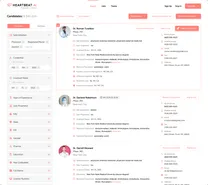
Heartbeat.ai’s platform is built to help healthcare recruiters, sales teams, and partnership managers find current contact details for licensed providers, including nephrologists in Florida and other states. You can filter by specialty type — pediatric, transplant, interventional, dialysis, and geriatric nephrology among others — and pull details relevant to your outreach.
A typical record can include the provider’s name, location, contact numbers, email address, specialization, years of experience, licensed states, license number, and practice address. If you’re looking for a nephrologist type not readily available, reaching out to Heartbeat’s team directly is usually the fastest way to get an answer.
- Nephrologist name
- Location
- Contact numbers (work, cell, mobile)
- Email address
- Specialization
- Years of experience
- Sole proprietor status
- Licensed states
- License number
- Fax
- Address
Nephrologist Contact Lists by State
Browse nephrologist contact information by state below.
| Nephrologists by states |
|---|
| Nephrologists in Alabama |
| Nephrologists in Alaska |
| Nephrologists in Arizona |
| Nephrologists in Arkansas |
| Nephrologists in California |
| Nephrologists in Colorado |
| Nephrologists in Connecticut |
| Nephrologists in Delaware |
| Nephrologists in Florida |
| Nephrologists in Georgia |
| Nephrologists in Hawaii |
| Nephrologists in Idaho |
| Nephrologists in Illinois |
| Nephrologists in Indiana |
| Nephrologists in Iowa |
| Nephrologists in Kansas |
| Nephrologists in Kentucky |
| Nephrologists in Louisiana |
| Nephrologists in Maine |
| Nephrologists in Maryland |
| Nephrologists in Massachusetts |
| Nephrologists in Michigan |
| Nephrologists in Minnesota |
| Nephrologists in Mississippi |
| Nephrologists in Missouri |
| Nephrologists in Montana |
| Nephrologists in Nebraska |
| Nephrologists in Nevada |
| Nephrologists in New hampshire |
| Nephrologists in New jersey |
| Nephrologists in New mexico |
| Nephrologists in New york |
| Nephrologists in North carolina |
| Nephrologists in North dakota |
| Nephrologists in Ohio |
| Nephrologists in Oklahoma |
| Nephrologists in Oregon |
| Nephrologists in Pennsylvania |
| Nephrologists in Rhode island |
| Nephrologists in South carolina |
| Nephrologists in South dakota |
| Nephrologists in Tennessee |
| Nephrologists in Texas |
| Nephrologists in Utah |
| Nephrologists in Vermont |
| Nephrologists in Virginia |
| Nephrologists in Washington |
| Nephrologists in West virginia |
| Nephrologists in Wisconsin |
| Nephrologists in Wyoming |
How the Data Is Sourced
Heartbeat.ai aggregates provider information from a wide range of official, private, and public sources, then cross-checks details to keep records current. This matters because no single source — not a hospital directory, not a licensing board, not a claims database — captures every active nephrologist accurately on its own. Combining sources and refreshing regularly is what keeps a contact list usable rather than a static snapshot that ages out within a few months.
Who Uses Nephrologist Contact Lists
Contact lists like this typically serve healthcare recruiters filling open nephrology roles, medical device and pharmaceutical sales teams targeting kidney care specialists, research organizations recruiting study participants or investigators, and hospital business development teams building referral networks. Anyone using this type of data should apply it carefully — respecting opt-outs, avoiding excessive contact frequency, and staying within relevant professional communication norms.
Getting More Out of Outreach to Nephrologists
A few practical points worth keeping in mind when reaching out to nephrologists directly:
- Segment by sub-specialty and practice setting before drafting outreach — a message relevant to a transplant nephrologist rarely fits a dialysis-focused one.
- Keep messaging concise and specific; physicians tend to respond better to direct, relevant asks than to lengthy pitches.
- Include a clear opt-out option in every communication.
- Track response and bounce rates over time — a rising bounce rate on emails or disconnected numbers is usually the clearest sign a list segment needs refreshing.
Limitations to Keep in Mind
No contact database, regardless of source, is perfectly current. Providers change jobs, retire, or shift specialties faster than most directories can track. Treat any purchased or aggregated list as a strong starting point rather than a guaranteed-accurate roster, and build verification steps — such as confirming license status before outreach — into your process.
Frequently Asked Questions
What is the role of nephrologists in Florida?
Nephrologists in Florida are medical professionals who specialize in diagnosing, treating, and managing kidney diseases and related disorders such as chronic kidney disease and hypertension.
How can I find nephrologists in Florida?
You can find nephrologists in Florida through hospital staff directories, licensing board records, referrals from primary care physicians, or a specialized healthcare contact database.
What conditions do nephrologists in Florida treat?
Nephrologists in Florida commonly treat chronic kidney disease, kidney stones, kidney infections, hypertension, electrolyte disorders, and kidney failure. They typically do not perform surgery themselves.