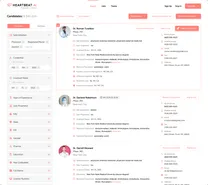
In 2024, there were a lot of counselors, about 110,339, who helped people with mental health issues, behavior problems, and addiction. The Bureau of Labor Statistics says this kind of job will grow by 22% in the next ten years.
However, It’s hard to find these counselors because their contact info is often old or missing. That’s where a mental health counselors email list comes in. It connects you directly to these counselors.
Heartbeat AI stands out as a trustworthy resource for obtaining an email list of valid and licensed mental health counselors. We offer up-to-date contact details, ensuring seamless communication.
Keep reading to learn how Heartbeat AI can help you connect with these counselors for your work.
What’s on this page:
About HeartBeat’s Mental Health Counselors Email Lists: What You Will Get

HeartBeat AI has a simple but powerful resource for professionals in mental health counselors email directory. It makes networking and communicating easier. Let us break down what you get from this list:
- Wide Network Access: You can reach out to many mental health counselors. It grows your professional circle.
- Custom Contacts: We make lists that fit what you need. It means you talk to the right people, making interactions more effective.
- Continually Updated: Our lists are constantly refreshed. You’ll always have the latest contacts, connecting you with active experts.
- Saves Time: This list cuts down on the work of finding contacts. It’s ready to use, reliable, and saves a lot of time.
- Supports Many Goals: Whether it’s for marketing, research, or education, these lists are flexible. These lists help with all sorts of projects.
- Easy to Use: We make sure the list is user-friendly. You can easily add it to your update systems or processes.
Types of Data Included in Mental Health Counselors Email Database
- Names of Mental Health Counselors
- Location
- Contact Numbers (Work, Cell, Mobile)
- Email Address
- Specialization
- Years of Experience
- Sole Proprietor Status
- Licensed States
- License Number
- Fax
- Address

Accuracy & coverage of personal contact info were unrivaled by other platforms… this gives any healthcare recruiter a competitive advantage when engaging hard-to-reach healthcare providers.
Senior Growth Strategist



Claim $500 of Free Data
Trusted by


By submitting this form, you are agreeing to Heartbeat’s
Benefits of Using the Valid Mental Health Counselors Email Directory
Using a good email list of mental health counselors helps your business, research, or medical partnerships. Let’s explain why it’s a great resource:

Direct Expert Access
This list lets you talk straight to the experts. You can ask for advice, team up, or offer what you’ve got directly to them.
Saves Time
Looking up contacts one by one takes ages. With this list, you save time and can focus on your message or product instead.
Accurate and Relevant
The list is kept up-to-date. It means you’re less likely to email people who aren’t involved in mental health counselling anymore.
Choose What You Need
You can pick and choose counselors based on where they are, their experience, and more. It all depends on your goals.
Better Communication
Talking directly to these counselors means more transparent, quicker conversations. There’s no one else in the way.
Boost Your Marketing
If your job is selling things to healthcare professionals, this list is like a treasure. You can customize your marketing to the right crowd, which can lead to better results.
Who Are You Likely to See in Our Mental Health Counselors Email List by Category?
In our email directory, we have lots of mental health counselors. These experts offer a wide range of knowledge and skills, making them valuable resources in the field. Below is the categories of mental health counselors we’ve in the list:
| Mental Health Counselors Categories |
| Clinical Psychologists |
| Psychiatrists |
| Marriage and Family Therapists |
| Substance Abuse Counselors |
| Behavioral Therapists |
| Trauma and PTSD Specialists |
Available Mental Health Counselors in Our Email List by States
If you’re looking for a list of mental health counselors by cities, we’ve got a big list for you. Our table shows an email list of these counselors from every state across the United States.
How Do We Compile Our Data to Create a Mailing List of Mental Health Counselors?
Heartbeat AI makes a mental health counselors mailing list, and here’s how we do it in simple steps:

Collecting Data
First, we gather basic info from 200 trusted sources. These include medical directories and professional websites. They give us the names and contact details of the counselors.
Checking Information
Next, we use software to make sure the emails and other details are correct. It is essential to keep the list valuable and updated.
Adding More Details
We then add extra info. Things like the counselor’s expertise, experience, and where they work. We get this from professional profiles and other reliable places.
Updating Regularly
The medical world has changed a lot. Counselors move or switch contacts. So, we keep updating our list to make sure it’s always up-to-date.
Following the Law
While doing all this, we stick to privacy laws. We’re careful to meet standards like HIPAA in the U.S. and GDPR in Europe.
Making It Fit Your Needs
You may need something specific. That’s why we let you ask for a list that fits your particular needs, like a specific location or specialty.
Double-Checking Quality
Lastly, we recheck everything for accuracy. We want to make sure you get a list that’s reliable and high-quality.
Why Choose Heartbeat.ai’s Mental Health Counselors Mailing List?
If you’re looking for a reliable and comprehensive mental health counselors email database, Heartbeat.ai stands out as a top choice. Here’s why:

Comprehensive Database
Heartbeat.ai is your go-to for a vast network, boasting over 11 million healthcare professionals in the USA. This extensive list ensures that you have a wide array of mental health counselors at your fingertips, ensuring no potential contact is missed.
Reliable Contact Information
The platform excels in offering direct contact details, a common hurdle in healthcare networking. By supplying immediate access to phone numbers and email addresses, Heartbeat ensures you have a straight line to the counselors you need to reach.
High Accuracy and Dependability
Accuracy is key in outreach. Heartbeat offers an impressive 84% accuracy rate for cell phone numbers and 92% for personal emails, minimizing the chances of encountering outdated or incorrect information.
Targeted Search Capabilities
Their system allows detailed searches by specialty and sub-specialty, making it especially beneficial when you’re looking for niche professionals like mental health counselors.
User-Friendly Interface and Tools
Heartbeat enhances your experience with easy-to-use resources, like a Chrome Extension. This feature integrates seamlessly with platforms such as LinkedIn and Facebook, streamlining your search and outreach process.
Flexible Pricing for All Needs
Whether you’re working solo or with a large organization, Heartbeat offers a range of pricing plans to fit your budget. This adaptability means you can use their services easily without spending too much.
What to Consider When Getting a Mental Health Counselors Email List?
When you’re thinking about getting a list of mental health counselors with email addresses, there are a few key things to keep in mind. Here’s a straightforward guide to help you make the right choice:

Stay Up-to-Date
Always get an update list. Old data could be a better use of time. Ask how often they update it and the methods they use for accuracy.
Where’s the Info From?
Know where the data are coming from. Is it from well-known medical groups or directly from hospitals? Good sources mean you can trust the list.
Follow the Law
The list should stick to privacy laws like HIPAA in the US and GDPR in Europe. Doing so could avoid legal issues.
Make It Yours
Check if you can tweak the list to fit what you need. You may want counselors from certain areas or with specific skills. A customizable list is more accessible.
Cost vs. Value
Think about what you’re paying versus what you’re getting. The cheapest is only sometimes the best. Look for good value.
Support After Purchase
See if they offer help after you buy the list. Good support is essential for any questions or problems later on.
User-Friendly Data
Lastly, ensure the data works well with your systems and is easy to handle. If it’s complicated, it will be of little use.
Now, Who Can Use the Mental Health Counselors Email List?
The email list of mental health counselors is primarily designed for professionals and organizations that require direct communication with mental health counselors. Here are some main groups that would find this list useful:

Healthcare Marketing Professionals
For those in healthcare marketing, this list of mental health professionals and counselors is a goldmine. It connects directly to mental health experts, opening avenues for targeted campaigns and collaborations.
Pharmaceutical Companies
Companies that develop mental health medications or therapeutic resources could use this list to inform counselors about new treatments, seek their insights, or promote adoption.
Research Institutions
Researchers focusing on mental health issues could reach out to counselors for surveys and studies or to share findings that could enhance therapy practices.
Networking and Collaborations
Professionals seeking to build a network in the mental health field could use the list to find potential collaborators or mentors.
Educational Institutions
Universities and training institutes might use the list to promote advanced courses or training programs customized for mental health professionals.
How to Utilize Mental Health Counselors Database Effectively
If you have a list of mental health counselors with email addresses, here’s a straightforward guide on how to use it effectively:

Identify Your Objectives
Before diving into the database, clarify your goals. Are you looking to market a product, seek expertise for a study, or build a professional network? Clear objectives will guide your approach to using the database.
Segment the Data
Mental health counselors have varied specializations and interests. Segment the data to target specific groups, such as those specializing in adolescent therapy, substance abuse, or stress management. This customized approach increases engagement.
Personalize Communication
When reaching out, personalize your messages. Address counselors by name and reference their specific areas of expertise. Personalized interactions are more likely to elicit responses and build meaningful connections.
Offer Value
Whether it’s informative content, invitations to events, or opportunities for professional growth, ensure that your outreach provides value to the counselors. This approach fosters positive relationships and enhances receptivity.
Utilize Multi-Channel Outreach
Don’t limit yourself to just email. Consider integrating other channels like social media, direct mail, or even phone calls where appropriate. A multi-channel strategy can increase visibility and response rates.
Track and Analyze Responses
Monitor how counselors interact with your communications. Which emails do they open? What links do they click? Analyzing these patterns can help refine your strategy and make future outreach more effective.
Network and Collaborate
Use the database to find opportunities for networking and collaboration. Attend relevant events or webinars where these professionals gather. Networking can result in important collaborations and fresh understanding.
Conclusion
We’ve just explored how important it is to have a good mental health counselors email list. In healthcare, this kind of list is beneficial. It helps doctors and counselors share important info quickly, which is great for patients, too.
If you’re looking for a reliable source for this kind of list, try Heartbeat AI. We make it easy to find and connect with the right counselors. This way, you can build good relationships in the mental health counselling world.
Frequently Asked Questions
Can I customize the list according to specific needs?
Yes, Heartbeat AI allows customization of the list based on location, specialization, and other criteria, making your outreach more targeted and effective.
How does this email list help in healthcare marketing?
Marketers can directly reach out to mental health professionals, customize their campaigns more effectively, and establish valuable connections within the healthcare community.
What support does Heartbeat AI offer after purchasing the list?
Heartbeat AI provides customer support for any queries or assistance needed in utilizing the list effectively after purchase.