Last updated: August 30, 2026
Finding reliable contact information for medical group practices in Colorado is harder than it should be. Group practices merge, physicians move between systems, and front-desk numbers rarely reach the person a recruiter or vendor actually needs. This guide covers what a Colorado-focused contact list should include, where the data challenges typically show up, and how Heartbeat’s database approaches sourcing.
What’s on this page:
Get a Medical Group Practice Email List for Colorado from Heartbeat
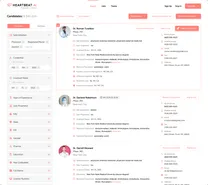
Whether you’re targeting cardiology groups, mental health practices, dental offices, orthopedic clinics, hospital-managed groups, primary care networks, or multi-specialty organizations, Heartbeat.ai’s platform lets you filter licensed provider profiles and build a list matched to your outreach goals.
Instead of manually researching each practice, you can pull a filtered list and get straight to outreach. That said, no contact database is perfect — provider turnover means even recently verified records can go stale within months, so it’s worth spot-checking key contacts before a large campaign.
Colorado’s Healthcare Landscape
Colorado’s provider network includes large multi-specialty systems such as HealthOne and Centura Health, along with independent group practices, hospital-affiliated networks, and academic medical centers. Institutions like the University of Colorado Hospital and Children’s Hospital Colorado also play a significant role in training and specialized care, which means the state’s healthcare workforce includes a mix of established group practices and academic-affiliated providers.
For anyone building outreach lists, this mix matters: a provider’s affiliation (independent group vs. hospital system vs. academic center) often determines which contact channel — direct cell, work email, or a general practice line — is actually reachable.
Why Accurate Contact Data Matters
Outdated or incorrect contact information creates friction in three common scenarios:
- Patient-facing needs: Wrong numbers delay appointment scheduling or routing to the right department.
- Recruitment: Recruiters who reach out through stale contact details often lose qualified candidates to competitors who respond faster.
- Professional networking: Referral partnerships and vendor relationships depend on being able to reach the right decision-maker directly, not a general office line.
In each case, the cost of bad data isn’t just wasted time — it’s a missed connection that a competitor with better information picks up instead.
Common Challenges When Sourcing Colorado Practice Contacts
A few recurring obstacles show up when researching medical group practices in Colorado:
- Publicly available directories often lag behind actual staffing changes.
- Practice websites may list general office numbers rather than direct lines for specific providers.
- Specialty-specific searches (e.g., filtering by insurance accepted or sub-specialty) aren’t well supported by most free directories.
- Geographic spread across Colorado’s urban and rural regions makes manual research time-consuming.
Technology-driven solutions — filterable databases, predictive contact modeling, and centralized licensing records — address most of these gaps by consolidating scattered information into a searchable format, though they don’t eliminate the need for periodic verification.
What’s Included in a Heartbeat Medical Group Practice Contact List
A Heartbeat contact record for a medical group practice is built to give you more than a name and a switchboard number. Typical fields include:
- Medical group practice name
- Location
- Contact numbers (work, cell, mobile)
- Email address
- Specialization
- Years of experience
- Sole proprietor status
- Licensed states
- License number
- Fax
- Address
 Accuracy & coverage of personal contact info were unrivaled by other platforms… this gives any healthcare recruiter a competitive advantage when engaging hard-to-reach healthcare providers.
Senior Growth Strategist






Medical Group Practice Lists by State
Heartbeat maintains contact lists for medical group practices across the country. Browse other states below:
| Medical group practice by states |
|---|
| Medical group practice in Alabama |
| Medical group practice in Alaska |
| Medical group practice in Arizona |
| Medical group practice in Arkansas |
| Medical group practice in California |
| Medical group practice in Colorado |
| Medical group practice in Connecticut |
| Medical group practice in Delaware |
| Medical group practice in Florida |
| Medical group practice in Georgia |
| Medical group practice in Hawaii |
| Medical group practice in Idaho |
| Medical group practice in Illinois |
| Medical group practice in Indiana |
| Medical group practice in Iowa |
| Medical group practice in Kansas |
| Medical group practice in Kentucky |
| Medical group practice in Louisiana |
| Medical group practice in Maine |
| Medical group practice in Maryland |
| Medical group practice in Massachusetts |
| Medical group practice in Michigan |
| Medical group practice in Minnesota |
| Medical group practice in Mississippi |
| Medical group practice in Missouri |
| Medical group practice in Montana |
| Medical group practice in Nebraska |
| Medical group practice in Nevada |
| Medical group practice in New hampshire |
| Medical group practice in New jersey |
| Medical group practice in New mexico |
| Medical group practice in New york |
| Medical group practice in North carolina |
| Medical group practice in North dakota |
| Medical group practice in Ohio |
| Medical group practice in Oklahoma |
| Medical group practice in Oregon |
| Medical group practice in Pennsylvania |
| Medical group practice in Rhode island |
| Medical group practice in South carolina |
| Medical group practice in South dakota |
| Medical group practice in Tennessee |
| Medical group practice in Texas |
| Medical group practice in Utah |
| Medical group practice in Vermont |
| Medical group practice in Virginia |
| Medical group practice in Washington |
| Medical group practice in West virginia |
| Medical group practice in Wisconsin |
| Medical group practice in Wyoming |
How Heartbeat Compiles Contact Data
Heartbeat’s platform draws from roughly 200 official, private, and public sources to keep provider records current. The database includes an estimated 11 million U.S. healthcare professionals, with roughly 8.8 million cell phone numbers and 9.3 million personal email addresses. Predictive modeling is used to surface the most likely current contact details, with Heartbeat citing approximately 84% accuracy on cell numbers and 92% on personal emails for first results.
These figures describe Heartbeat’s overall national database rather than a Colorado-specific count — treat any state-level claim of “50+ practices” or similar figures with caution unless verified against a current directory, since group practice counts change as systems consolidate.
Who Uses a Medical Group Practice Contact List
Contact lists like this are typically used by:
- Healthcare recruiters and staffing agencies
- Sales and marketing teams selling into medical practices
- Business development and partnership teams
- Independent agents (insurance, real estate) working with medical professionals
- Researchers and consultants needing verified provider data
A Practical Workflow for Using the List
- Define the objective first. Recruiting, product marketing, and referral outreach each call for a different message and cadence.
- Filter before you export. Narrow by specialty, location, or practice type rather than pulling an entire state list — smaller, relevant batches convert better than broad blasts.
- Verify high-priority contacts. For your top targets, a quick manual check (LinkedIn, practice website) catches recent job changes the database may not yet reflect.
- Keep outreach concise. Providers have limited time between patients; a short, specific message outperforms a long pitch.
- Track response and bounce rates. Use these as a feedback loop to flag records that may need refreshing.
Limitations to Keep in Mind
No contact database — Heartbeat included — can guarantee real-time accuracy for every provider. Physicians switch practices, retire, or change specialties, and small independent groups are harder to track than large hospital systems. Predictive accuracy rates describe likelihood, not certainty, on any single record. Building in a light verification step for important outreach reduces wasted contacts.
Conclusion
Locating accurate contact information for medical group practices in Colorado takes more effort than a basic web search, given how often practice affiliations and staff change. A filterable, regularly updated database like Heartbeat’s can cut down the manual research involved, though it works best paired with spot-checks for your highest-priority contacts. The same approach applies whether you’re recruiting, marketing, or building referral relationships across Colorado’s provider network.
Frequently Asked Questions
What is a medical group practice?
A medical group practice is a group of healthcare providers — physicians, nurses, and specialists — who work together to deliver coordinated medical care under a shared organizational structure.
How can I find a medical group practice in Colorado?
Online directories such as Healthgrades or Zocdoc let you search by location, specialty, and other criteria. For bulk outreach or recruitment purposes, a filterable contact database is generally more efficient than manual directory searches.
What are the benefits of choosing a medical group practice?
Group practices typically offer coordinated care among multiple providers, streamlined scheduling, shared medical records, and easier communication between specialists involved in a patient’s care.
Can I choose my primary care physician within a medical group practice?
In most cases, yes — many group practices let patients select a primary care provider based on preference, though some assign one initially depending on availability.