What’s on this page:
Key takeaways
- Confirm a hospital CIO’s current title and reporting structure before outreach.
- The article identifies Intermountain Health and University of Utah Health as examples of Utah health systems, but does not provide a complete current CIO roster.
- The article reports that Ryan Smith began as Intermountain Health’s CDIO in early 2025; verify his current role and remit with the system.
- Heartbeat.ai describes its database as including contact details for healthcare and hospital IT leaders; check its verification methods and record freshness.
- Tailor outreach to the person’s role, use appropriate communication channels, and follow applicable privacy and marketing requirements.
Last updated: August 30, 2026
For finding a hospital CIO in Utah, the key is confirming that the contact details and role are still current before reaching out. Titles change, executives move between systems, and older directories may list people who have left a role. For healthcare recruiters, vendors, and partnership teams, checking the information first can help avoid wasted outreach and protect credibility.
This piece walks through what makes Utah’s hospital IT leadership landscape distinct, why accurate contact information matters more in this role than in most, and how Heartbeat.ai’s contact data can support outreach to this audience.
Get an Email List of Hospital CIOs in Utah from Heartbeat
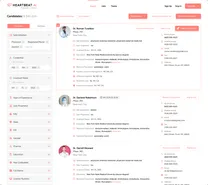
Heartbeat.ai says its platform lets users search and filter healthcare professional and hospital IT leadership contacts by role, location, and specialty. The article describes contact details as verified; users should confirm what verification means and when each record was last checked before relying on it.
Our list spans CIOs and IT leadership across different hospital types — multi-specialty systems, rehabilitation centers, psychiatric care facilities, and general and surgical hospitals. Whether you’re a med-tech vendor, a service provider, or a recruiter, the goal is the same: get you to the right contact without wading through outdated directories.
You can browse and purchase contact data directly through Heartbeat.ai’s platform. If you need help narrowing down a list or understanding what’s included, our team is available to walk through it with you.
Utah’s Healthcare Landscape and Hospital IT Leadership
Utah’s healthcare system includes large integrated systems, independent hospitals, and specialty facilities. Intermountain Health is a major health system in the state and has been noted for its digital health strategy.
The article reports that Intermountain Health named Ryan Smith as its next chief digital and information officer (CDIO), with Smith beginning the role in early 2025 after a national search. It also says Smith previously served as Intermountain’s chief information officer from 2020 to 2022 before joining Graphite Health as chief operating officer. The article describes his CDIO remit as leading Digital Technology Services, including DTS Operations, Digital Services, Data Services, Clinical Informatics, Information Security, and Information Technology. Confirm his current title and responsibilities with Intermountain before using this information for outreach.
The article also reports that Intermountain named Tamara Moores Todd, MD, as chief health informatics officer and Jason McClellan as chief clinical informatics officer, both reporting to Smith. Reporting lines and titles can affect who owns a decision or budget; confirm current organizational details before outreach rather than relying on an older directory.
Beyond Intermountain, Utah’s hospital network includes University of Utah Health and other regional systems, each with its own IT leadership structure. The article does not provide a current, system-by-system CIO roster, so confirm specific names and titles with the relevant health system before reaching out.
Why Accurate Contact Information Matters for This Role
A hospital CIO sits at the center of decisions involving technology vendors, data infrastructure, and increasingly, clinical informatics governance. Reaching the wrong person, or a person who’s changed roles, wastes an introduction that may not come again easily.
For recruitment, a CIO may be a decision-maker or an influencer in health information systems hiring, depending on the organization. Vendors and sales teams should identify the appropriate contact and follow the organization’s preferred channels. For professional networking, verify that the person still holds the relevant role before sending a message.
Common Challenges in Finding the Right Hospital CIO in Utah
Finding qualified hospital CIOs can be challenging. The role may call for experience in healthcare IT, informatics, cybersecurity, and data privacy, although requirements vary by organization.
A practical approach to narrowing the search:
- Confirm current title and reporting structure before reaching out — digital and clinical informatics functions at large systems get reorganized more often than static directories reflect.
- Use a data provider with recent verification rather than a static list scraped once and left unchanged.
- Check for recent executive announcements from the health system’s newsroom or trade press, since leadership moves in this space tend to get press coverage.
- Segment by facility type — a CIO at a large integrated system faces different priorities than one at a standalone rehabilitation or psychiatric facility.
What You Get with Heartbeat’s Hospital CIO Contact Data
Heartbeat.ai describes its database as aggregating contact details for healthcare professionals, including hospital IT and executive leadership. Check the provider’s current documentation for coverage, verification methods, and the fields available for each record.
- Hospital CIO name
- Location
- Contact numbers (work, cell, mobile)
- Email address
- Specialization
- Years of experience
- Sole proprietor status
- Licensed states
- License number
- Fax
- Address
Hospital CIO Contact Lists by State
Explore our comprehensive email list of Hospital CIOs, sorted by state, available for you.
| Hospital CIO by State |
|---|
| Hospital CIO in Alabama |
| Hospital CIO in Alaska |
| Hospital CIO in Arizona |
| Hospital CIO in Arkansas |
| Hospital CIO in California |
| Hospital CIO in Colorado |
| Hospital CIO in Connecticut |
| Hospital CIO in Delaware |
| Hospital CIO in Florida |
| Hospital CIO in Georgia |
| Hospital CIO in Hawaii |
| Hospital CIO in Idaho |
| Hospital CIO in Illinois |
| Hospital CIO in Indiana |
| Hospital CIO in Iowa |
| Hospital CIO in Kansas |
| Hospital CIO in Kentucky |
| Hospital CIO in Louisiana |
| Hospital CIO in Maine |
| Hospital CIO in Maryland |
| Hospital CIO in Massachusetts |
| Hospital CIO in Michigan |
| Hospital CIO in Minnesota |
| Hospital CIO in Mississippi |
| Hospital CIO in Missouri |
| Hospital CIO in Montana |
| Hospital CIO in Nebraska |
| Hospital CIO in Nevada |
| Hospital CIO in New Hampshire |
| Hospital CIO in New Jersey |
| Hospital CIO in New Mexico |
| Hospital CIO in New York |
| Hospital CIO in North Carolina |
| Hospital CIO in North Dakota |
| Hospital CIO in Ohio |
| Hospital CIO in Oklahoma |
| Hospital CIO in Oregon |
| Hospital CIO in Pennsylvania |
| Hospital CIO in Rhode Island |
| Hospital CIO in South Carolina |
| Hospital CIO in South Dakota |
| Hospital CIO in Tennessee |
| Hospital CIO in Texas |
| Hospital CIO in Utah |
| Hospital CIO in Vermont |
| Hospital CIO in Virginia |
| Hospital CIO in Washington |
| Hospital CIO in West Virginia |
| Hospital CIO in Wisconsin |
| Hospital CIO in Wyoming |
How We Compile Hospital CIO Contact Data for Utah
Heartbeat.ai says it uses public, private, and official sources to build and maintain contact profiles for healthcare professionals, including hospital executives, and that records are refreshed on an ongoing basis. Because titles and reporting lines can change, check when a specific record was last verified and confirm it with the health system before outreach.
Who Uses a Hospital CIO Contact List?
Sales representatives, marketing teams, recruiters, and business development staff may use contact lists to identify people for professional outreach. Agencies and vendors serving healthcare IT may also use them to find relevant decision-makers. Any use of contact data should comply with applicable privacy and marketing requirements and respect the recipient’s communication preferences.
Getting the Most Out of a Hospital CIO Contact List
A few practices tend to separate effective outreach from outreach that gets ignored:
- Lead with something specific. Reference a recent initiative, a known priority, or a shared connection rather than a generic pitch.
- Respect the constraints of the role. Hospital CIOs manage large teams and competing priorities; a concise, direct message performs better than a long one.
- Segment your list. A message aimed at a CIO overseeing enterprise digital strategy should read differently than one aimed at an IT leader at a smaller specialty facility.
- Verify before you send. Titles change. A quick check against a recent announcement or an updated database saves you from an outreach that lands with the wrong person.
Where This Leaves You
Utah’s hospital IT leadership includes major systems such as Intermountain Health, and organizational changes can affect titles and reporting lines. The article names several Intermountain leaders but does not provide a current CIO roster for Utah hospitals as a whole. Whether recruiting, selling, or networking, verify each person’s role and contact details before reaching out.
Frequently Asked Questions
What does a hospital CIO in Utah do?
A hospital CIO oversees technology and information systems strategy within a healthcare organization, aligning digital infrastructure, data management, and cybersecurity efforts with the system’s broader goals.
What background do hospital CIOs in Utah typically have?
Hospital CIOs generally come from backgrounds in healthcare IT, informatics, or business administration, often having worked up through senior technology roles within a health system before stepping into the top IT leadership position.
How do hospital CIOs in Utah approach data security and compliance?
Hospital CIOs typically work with their IT and security teams to implement safeguards, conduct audits, and maintain compliance with regulations such as HIPAA, while tracking emerging cybersecurity risks relevant to healthcare data.