Last updated: August 30, 2026

Genomics has grown from a niche research area into a field with real commercial and clinical weight, and the number of specialists working in cancer genomics, pharmacogenomics, neurogenetics, and related disciplines has expanded accordingly. Finding accurate, current contact information for these researchers is a separate challenge from finding the researchers themselves — directories go stale, affiliations change, and generic institutional emails rarely get read.
A genomic researchers email list solves a narrow but practical problem: it gives you verified names, specialties, and direct contact details so outreach doesn’t start with a dead end. Heartbeat AI maintains this type of list, with a review process aimed at keeping contact details current. The rest of this page covers what’s included, how the data is compiled, and how to use it without wasting a researcher’s time.
What’s on this page:
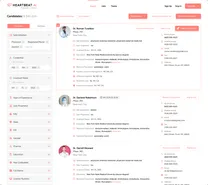
About HeartBeat’s Genomic Researchers Email Lists: What You Will Get

HeartBeat AI builds email lists for teams that need to reach genomic researchers directly rather than through institutional gatekeepers. A few things define the service:
- Broad network: Access to a wide pool of genomic researchers across specialties and regions.
- Customized lists: Lists filtered to your criteria — location, sub-specialty, or years of experience — rather than a one-size-fits-all export.
- Regularly refreshed data: Contact records are updated on an ongoing basis to reduce bounce rates and outdated affiliations.
- Time savings: Skips the manual work of cross-referencing directories, university pages, and professional associations one by one.
- Multiple use cases: Suitable for marketing, recruiting, research collaboration, or educational outreach.
- Exportable format: Data arrives in a format that drops into a CRM or outreach tool without extra cleanup.
Types of Data Included in Genomic Researchers Email Directory
- Name
- Location
- Contact numbers (work, cell, mobile)
- Email address
- Specialization
- Years of experience
- Sole proprietor status
- Licensed states
- License number
- Fax
- Address
 Accuracy & coverage of personal contact info were unrivaled by other platforms… this gives any healthcare recruiter a competitive advantage when engaging hard-to-reach healthcare providers.
Senior Growth Strategist






Benefits of Using a Valid Genomic Researchers Email List
A well-maintained list changes how outreach works in practice, not just in theory. Here’s where it actually helps:

Quick contact with specialists
When you need input from a genomic research expert, or want to propose a collaboration, having a working contact ready removes a step that otherwise eats up days.
Time savings
Manually tracking down individual contacts is slow. A compiled list lets you focus effort on the outreach message itself.
Current, relevant contacts
Lists that are refreshed regularly reduce the odds you’re emailing someone who’s changed roles or institutions, which cuts down on wasted sends.
Targeted segmentation
Filtering by location, experience, or sub-specialty means your message reaches people for whom it’s actually relevant.
Direct communication
Reaching a researcher’s personal or direct professional email, rather than a general institutional inbox, tends to get faster responses.
More focused marketing
For healthcare marketing efforts, a narrowly targeted list beats a broad blast — fewer wasted impressions, more relevant replies.
Useful for networking
Beyond marketing, these lists help identify potential mentors, collaborators, or partners already active in genomic research.
Who Is in Our Genomic Researchers Email Database, by Category?
Our genomic researchers email directory spans a range of sub-specialties, including:
| Genomic Researchers Categories |
| Cancer Genomics Specialists |
| Genetic Disorder Researchers |
| Pharmacogenomics Specialists |
| Agricultural Genomics Researchers |
| Neurogenetics Experts |
| Microbial Genomics Researchers |
Available Genomic Researchers in Our Email List by State
Looking for genomic researchers in a specific state? The table below links out to state-level pages.
How We Compile Data for a Genomic Researchers Mailing List
The process behind the list matters as much as the list itself. Here’s the general workflow:

Gathering data
Initial contact and professional details are collected from medical directories, healthcare websites, and genomic research associations.
Verifying information
Records are checked for accuracy using verification tools, which is the step that separates a usable list from a scraped one.
Adding detail
Additional context — specialty focus, years in practice, hospital affiliations, and location — gets layered onto the base record.
Ongoing updates
Contact records are refreshed periodically to reflect job changes, relocations, or new credentials.
Privacy compliance
Data collection follows applicable privacy frameworks, including HIPAA in the U.S. and GDPR where applicable.
Customization
Lists can be filtered by geography, sub-specialty, or other criteria depending on the campaign.
Quality checks
Before release, lists go through a review pass to confirm accuracy and internal consistency.
Why Choose Heartbeat.ai’s Genomic Researchers Mailing List?

Wide range of contacts
Heartbeat.ai maintains a large database of healthcare professionals across the U.S., including genomic researchers.
Direct contact info
You get direct cell numbers and personal email addresses instead of generic institutional inboxes, which typically improves response rates.
Accuracy modeling
Predictive modeling is used to improve match accuracy on cell phone and email records, which reduces bounces and dead numbers over time.
Efficient platform
Aggregating multiple data sources into one system cuts down the manual research time needed to build an outreach list from scratch.
Specialty-based search
You can search by specialty to isolate genomic researchers rather than sorting through a general healthcare provider list.
Browser integration
The Chrome Extension allows contact lookups directly from LinkedIn and Facebook profiles, fitting into an existing prospecting workflow.
Flexible pricing
Pricing plans scale from small teams to larger organizations.
What to Consider Before Getting a Genomic Researchers Email List
A few checks before committing to any list will save time later:

Update frequency
An outdated list isn’t worth much. Ask how often records are refreshed and what verification method is used.
Source reliability
Data pulled from medical associations, conferences, and hospital records tends to hold up better than scraped or purchased bulk lists.
Legal compliance
Confirm the list provider follows applicable privacy laws — HIPAA in the U.S., GDPR in the EU — since compliance gaps create real legal exposure.
Customization options
A list you can filter by region or sub-specialty is more useful than a flat, unsegmented export.
Cost versus value
The cheapest option isn’t automatically the best one — weigh accuracy and coverage against price.
User feedback
Reviews from past customers can flag accuracy or support issues before you commit.
Who Uses a Genomic Researchers Email List?
This type of list serves several groups working at the intersection of genomics and healthcare:

Biotech companies
Useful for collaboration outreach, research partnerships, or marketing products tied to genomic studies.
Academic institutions
Universities and research institutes can identify potential faculty, guest lecturers, or collaborators for joint genomics research.
Pharmaceutical firms
Helpful for finding researchers involved in drug development, particularly around genetic disease or personalized medicine.
Healthcare providers
Hospitals and clinics may use the list to connect with researchers for advanced genomic testing or consultation on complex genetic cases.
Using a Genomic Researchers Email List Effectively
Having accurate contacts is only half the job — how you use them determines whether outreach actually lands.

Know the audience
Genomic researchers work in genetics and DNA studies. Keep content relevant — recent research developments, technical tools, or field-specific events.
Respect privacy and compliance
Follow applicable email and privacy regulations. This audience tends to be attentive to how their information is used, given the sensitivity of their work.
Lead with value
Share information tied directly to genomics — study findings, new tools, or collaboration opportunities. Off-topic content increases unsubscribes.
Personalize where possible
Use the recipient’s name and reference something specific to their work or specialty. Generic mass emails get ignored.
Keep the ask clear
Whether it’s a conference invite, a product introduction, or a research collaboration proposal, the call to action should be obvious.
Consider timing
Sending during working hours, rather than very early or late, tends to improve open rates for a professional audience.
Conclusion
A genomic researchers email list is a practical tool for anyone doing outreach in this field — biotech teams, academic recruiters, pharma researchers, or healthcare marketers. The value isn’t in the list alone; it’s in pairing accurate, current contact data with relevant, well-timed outreach.
Heartbeat maintains this kind of list with ongoing verification and customization options for teams that need to reach genomic research specialists directly.
Frequently Asked Questions
How can I get access to the genomic researchers email list?
You can access the list through Heartbeat AI’s platform, which offers different pricing tiers depending on your needs.
What makes genomic researchers email lists valuable for marketing?
They target a specific professional group, which keeps outreach focused and more likely to reach genuinely interested recipients.
How does Heartbeat AI ensure list quality?
Through a multi-step process: collecting data from reliable sources, verifying it, updating it regularly, and following applicable privacy laws.