What’s on this page:
Key takeaways
- A fertility specialists contact list may include names, locations, phone numbers, email addresses, and specialty information.
- Lists may be filtered by state or specialty, but buyers should confirm which filters and fields are actually available.
- Ask providers how contact details are sourced, checked, and refreshed before buying or using a list.
- A provider’s claims about accuracy, coverage, or compliance should be verified rather than assumed.
- Outreach teams should check applicable privacy and marketing requirements before contacting people on a list.
Last updated: August 28, 2026
A fertility specialists email list can help device companies, healthcare recruiters, and marketing teams reach professionals in reproductive medicine, including reproductive endocrinologists, andrologists, and fertility clinic staff. Contact details can change as practices merge, physicians relocate, and clinics update their contact information, so verify how recently a list was checked before using it.
This guide covers what a usable fertility specialists list should include, who typically relies on this kind of data, and what to check before you commit budget to any provider. Heartbeat maintains a fertility specialists contact database built for these use cases.

What’s Included in Heartbeat’s Fertility Specialists Email Lists
Heartbeat’s fertility specialists lists are built for connecting with professionals in reproductive medicine across U.S. states. Here’s what’s typically included:

- Verified contact data: Records are checked for accuracy so outreach reaches current, working contact points rather than outdated ones.
- Ongoing refresh cycles: Contacts are updated on a recurring basis to account for specialists entering practice or changing contact information.
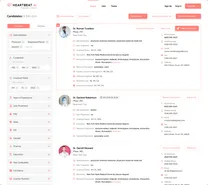
- Detailed professional profiles: Names, locations, phone numbers, email addresses, and area of specialization, rather than a bare name-and-email row.
- State-level targeting: Lists can be filtered to a single state or a combination of states, depending on your territory or campaign scope.
- Specialty segmentation: Because fertility medicine spans several sub-specialties, lists can be narrowed to specific treatment focus areas.
Data Fields Typically Included
- Fertility specialist name
- Location
- Contact numbers (work, cell, mobile)
- Email address
- Specialization
- Years of experience
- Sole proprietor status
- Licensed states
- License number
- Fax
- Address
 Accuracy & coverage of personal contact info were unrivaled by other platforms… this gives any healthcare recruiter a competitive advantage when engaging hard-to-reach healthcare providers.
Senior Growth Strategist






Why an Accurate List Matters
An outdated list wastes budget and time regardless of how good the campaign creative is. Here’s what accuracy actually buys you:
- Precise targeting: Messages land with the intended recipients instead of a former employee or a defunct inbox.
- More efficient campaigns: Focused lists let you build messaging around a specific specialty rather than a generic pitch.
- Credibility with recipients: Sending relevant, correctly addressed communication matters in a field where professional trust affects response rates.
- Better return on spend: Fewer misdirected sends means more of your budget reaches people who can actually act on your message.
- Lower bounce rates: Current contact data reduces the number of emails that fail to deliver, which also protects your sender reputation over time.
Specialties Covered in a Fertility Specialists List
A well-segmented fertility list usually spans several related roles, not just reproductive endocrinologists:
| Fertility Specialists |
| Fertility clinic staff |
| Andrologists |
| Reproductive immunologists |
| Reproductive endocrinologists |
| Reproductive surgeons |
Fertility Specialists by State
If you’re building territory-specific outreach, here’s the state-level breakdown:
How This Kind of List Gets Compiled
Building a usable fertility specialists list is more involved than scraping a directory. A reasonable process includes:
- Sourcing from multiple channels: Pulling from a range of reliable sources reduces reliance on any single database that might be stale or incomplete.
- Verifying contact details: Email addresses and phone numbers get checked so outreach doesn’t bounce or dead-end.
- Allowing filters: Users should be able to narrow by location, specialization, or experience level rather than working from one flat file.
- Checking for compliance: Data practices need to align with applicable data privacy and marketing regulations.
- Refreshing on a schedule: Static lists degrade. Ongoing maintenance keeps records current as specialists move or update their information.
What Heartbeat.ai’s Fertility Specialists List Offers

Broad, Refreshed Contact Coverage
Heartbeat says its database covers over 11 million U.S. healthcare professionals, including fertility specialists. Before relying on its contact information, ask how accuracy is measured and how often email addresses and phone numbers are checked.
A Straightforward Interface
Heartbeat prospector is built to be usable without a steep learning curve, whether you’re new to outbound healthcare marketing or you’ve been doing it for years. It sits on top of a large contact database without burying that data behind a complicated workflow.
More Than Just Contact Info
Beyond a name and email, records typically include specialty area, location, and direct phone numbers, which lets you tailor outreach instead of sending a one-size-fits-all message.
Compliance-Minded Data Practices
Heartbeat describes its data collection and list-building practices as compliance-minded. This does not establish that every campaign using the data will comply with applicable privacy and marketing rules; verify the requirements that apply to your organization and outreach.
National Coverage With Ongoing Updates
Heartbeat says its coverage spans fertility specialists across the U.S. and that the database is refreshed on an ongoing basis. Ask the provider for details about coverage and refresh cadence.
What to Check Before Buying a Fertility Specialists List

Where the Data Comes From
Ask the vendor directly about data sources and how they are maintained. Understanding the sourcing process can help you assess whether the list fits your needs and how current its records may be.
How Much Detail Is Included
A bare name-and-email row limits what you can do with the list. Specialization, location, and years of experience let you segment campaigns instead of blasting everyone the same message.
Whether It Actually Fits Your Target Audience
A national list is useless if you only need three states. Check whether the provider lets you filter down before you pay for records you’ll never use.
How Often the Data Is Cleaned
Ask about refresh cadence specifically, rather than relying on a general claim that data is "regularly updated." Contact information can change, so confirm when records were last checked and how updates are handled.
Cost Relative to Expected Return
Weigh list price against realistic response rates for your campaign type. A cheaper list with a high bounce rate can cost more in wasted sending than a pricier, cleaner one.
Who Actually Uses This Kind of List

Medical Device and Pharmaceutical Companies
Teams selling fertility-related devices or medications use these lists to introduce new products or share research directly with the specialists likely to recommend them.
Healthcare Marketing Agencies
Agencies running campaigns for fertility-related services or events rely on segmented lists to keep outreach relevant to the audience rather than generic.
Recruitment and Staffing Agencies
Recruiters use these lists to reach fertility specialists directly for open roles at clinics and hospitals, cutting down on the time spent hunting for contact information manually.
Educational and Research Institutions
Universities and research groups use specialist contact data to find collaborators, guest lecturers, or subject matter experts for academic work.
Conference and Event Organizers
Organizers use these lists to invite fertility specialists to speak at or attend industry events, adding clinical expertise to the program.
Getting More Out of a Fertility Specialists List

A few practical habits separate outreach that gets read from outreach that gets deleted:
- Know who you’re contacting. Understanding a specialist’s sub-specialty and recent focus areas makes your message more relevant than a generic pitch.
- Set a clear goal for each email. Whether it’s a product introduction, a recruiting message, or a research request, a defined objective shapes better content.
- Personalize beyond the first name. Reference their specific role or specialty rather than sending an identical template to everyone on the list.
- Include one clear call to action. Asking for a single next step, rather than several, increases the odds of a response.
- Write a subject line that earns the open. Vague or overly promotional subject lines get ignored in a busy inbox.
The Bottom Line
A fertility specialists list can support marketing, recruiting, and research outreach in reproductive medicine, but its usefulness depends on whether the data is current and appropriately segmented. Before choosing a provider, verify data sources, refresh frequency, and whether the list matches your target geography and specialty focus.
Heartbeat maintains a fertility specialists contact database built around verified emails and mobile numbers, with filtering by state and specialty.
FAQs
How often is a fertility specialists email database updated?
Update frequency varies by provider. Ask directly about refresh cadence rather than assuming “regularly updated” means the same thing across vendors.
How does a fertility specialists mailing list aid professional networking?
Direct contact information makes it easier to reach specialists for collaboration, knowledge sharing, or partnership discussions without going through gatekeepers.
Can I customize a fertility specialists list to target specific regions or specialties?
Yes. Most providers, including Heartbeat, allow filtering by state and by sub-specialty so you’re not paying for contacts outside your target scope.