Last updated: August 28, 2026

Emergency medicine is one of the largest physician specialties in the country. AAMC workforce data put active emergency medicine physicians at 46,857, based on 2021 figures reported in the 2022 Physician Specialty Data Report. That’s a large pool of specialists to sort through if you’re trying to reach the right ones by phone or email, and generic directories rarely get you there efficiently.
A verified, segmented email list narrows that pool down to the people relevant to your outreach — whether you’re recruiting, marketing medical products, or coordinating continuing education. Below is a practical look at what a usable emergency medicine contact list should include, how it’s typically built, and what to check before you buy one.
What’s on this page:
About HeartBeat’s Emergency Medicine Email Lists: What You Will Get

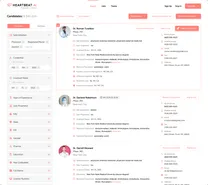
Heartbeat‘s emergency medicine database is built around a few core features:
- Extensive Database: Coverage spans hospitals and clinics across regions, not just a handful of major metro areas.
- Regularly Updated Contacts: Contact records are refreshed on an ongoing basis rather than compiled once and left static.
- Segmentation for Targeted Marketing: Lists can be filtered so outreach goes to the specialists most relevant to your product or service, not a broad, unfiltered pool.
- CRM Integration: Data is formatted for import into common CRM systems, which cuts down on manual cleanup before a campaign launches.
- Detailed Professional Information: Specialization, qualifications, and areas of expertise are included so you can personalize messaging instead of sending one generic email to everyone.
Types of Data Included in Emergency Medicine Email Lists
- Names of emergency medicine specialists
- Location
- Contact numbers (work, cell, mobile)
- Email address
- Specialization
- Years of experience
- Sole proprietor status
- Licensed states
- License number
- Fax
- Address
 Accuracy & coverage of personal contact info were unrivaled by other platforms… this gives any healthcare recruiter a competitive advantage when engaging hard-to-reach healthcare providers.
Senior Growth Strategist






Benefits of Using a Valid Emergency Medicine Mailing List
A well-maintained list changes the economics of outreach in a few concrete ways:

Reaching the Right People
Messages go directly to physicians who specialize in emergency medicine, instead of a broad, unfiltered physician database where most recipients have no relevant interest.
Getting More Responses
Narrowing the audience to specialists who actually work in the field tends to raise response rates compared to blasting a generic list.
Saving Money
Every email sent to an uninterested or mismatched contact is wasted spend. Targeting the right specialty reduces that waste.
Customizing Your Messages
A verified list lets you tailor messaging to what these specialists actually care about, which increases the odds they engage rather than delete.
Having Up-to-Date Contacts
Regularly refreshed records mean fewer bounces and less time spent chasing outdated information.
Getting More Value
Better targeting generally means a better return on the time and budget spent on outreach.
Who Are You Likely to See in Our Emergency Medicine Email List by Category?
The emergency medicine field overlaps with several adjacent specialties. Here’s a breakdown of the professional categories commonly represented:
| Emergency Medicine Specialist Categories |
| Emergency Physicians |
| Trauma Surgeons |
| Pediatric Emergency Medicine Specialists |
| Critical Care Specialists |
| Anesthesiologists |
| EMS (Emergency Medical Services) Personnel |
| Toxicologists |
| Cardiologists |
| Neurologists |
| Obstetricians |
| Pulmonologists |
| Orthopedic Surgeons |
| Ophthalmologists |
| ENT (Ear, Nose, and Throat) Specialists |
Available Emergency Medicine Contacts by State
Below is a state-by-state breakdown of where emergency medicine contact data is available:
| Emergency Medicine By States |
| Emergency Medicine in Alabama |
| Emergency Medicine in Alaska |
| Emergency Medicine in Arizona |
| Emergency Medicine in Arkansas |
| Emergency Medicine in California |
| Emergency Medicine in Colorado |
| Emergency Medicine in Connecticut |
| Emergency Medicine in Delaware |
| Emergency Medicine in Florida |
| Emergency Medicine in Georgia |
| Emergency Medicine in Hawaii |
| Emergency Medicine in Idaho |
| Emergency Medicine in Illinois |
| Emergency Medicine in Indiana |
| Emergency Medicine in Iowa |
| Emergency Medicine in Kansas |
| Emergency Medicine in Kentucky |
| Emergency Medicine in Louisiana |
| Emergency Medicine in Maine |
| Emergency Medicine in Maryland |
| Emergency Medicine in Massachusetts |
| Emergency Medicine in Michigan |
| Emergency Medicine in Minnesota |
| Emergency Medicine in Mississippi |
| Emergency Medicine in Missouri |
| Emergency Medicine in Montana |
| Emergency Medicine in Nebraska |
| Emergency Medicine in Nevada |
| Emergency Medicine in New Hampshire |
| Emergency Medicine in New Jersey |
| Emergency Medicine in New Mexico |
| Emergency Medicine in New York |
| Emergency Medicine in North Carolina |
| Emergency Medicine in North Dakota |
| Emergency Medicine in Ohio |
| Emergency Medicine in Oklahoma |
| Emergency Medicine in Oregon |
| Emergency Medicine in Pennsylvania |
| Emergency Medicine in Rhode Island |
| Emergency Medicine in South Carolina |
| Emergency Medicine in South Dakota |
| Emergency Medicine in Tennessee |
| Emergency Medicine in Texas |
| Emergency Medicine in Utah |
| Emergency Medicine in Vermont |
| Emergency Medicine in Virginia |
| Emergency Medicine in Washington |
| Emergency Medicine in West Virginia |
| Emergency Medicine in Wisconsin |
| Emergency Medicine in Wyoming |
How the Data Gets Compiled

Here’s a general outline of how a mailing list of emergency medicine specialists typically gets built and maintained at Heartbeat:
Data Collection and Integration
Data collection starts with official data partners, including hospitals, pharmacies, and emergency medical services, to identify specialists who work in emergency medicine.
Automated Analysis
Details from different sources get cross-referenced to catch mistakes or outdated entries before they make it into a usable list.
Sorting by Expertise
Since emergency medicine covers a wide range of sub-areas, specialists are grouped by what they actually practice — trauma, toxicology, pediatric emergency care, and so on — so lists stay specific and useful rather than one giant undifferentiated pool.
Regulatory Compliance Checking
Compliance with healthcare regulations and data privacy laws gets checked as part of the process, particularly around patient privacy and data security standards.
Pattern Analysis
Beyond basic contact details, the data gets reviewed for signals about which specialists are actively practicing, engaged with new research, or influential voices in the field.
Ongoing Updates and Maintenance
Specialists change jobs, move between institutions, and enter or leave practice. Lists need continual updates to stay accurate rather than being treated as a one-time purchase.
Why Choose Heartbeat.ai’s Emergency Medicine Mailing List?

Comprehensive Database Access
Access extends to over 11 million healthcare providers in the USA, covering a wide range of contacts beyond just emergency medicine.
Sourcing Tool for Recruitment
Heartbeat.ai is built for passive healthcare recruitment, which matters when you’re trying to reach candidates who aren’t actively job hunting but might respond to the right outreach.
Diverse Search Capabilities
You can search by specialty, sub-specialty, and performed procedures, which helps narrow results to the specific type of emergency medicine professional relevant to your project.
Integration with Social Media Platforms
The Chrome Extension extends contact-finding across platforms like LinkedIn and Facebook, useful for networking outreach beyond straight email campaigns.
Flexible Pricing Plans
Pricing plans include options for bulk data extraction, team management, and API access, so the cost structure can scale with organizational size and use case.
What to Consider Before Buying an Emergency Medicine Email List

Source and Quality of Data
Confirm the list comes from a provider known for accurate, up-to-date data. Missing or stale entries lead to bounced emails and undermine campaign performance before it starts.
Permission and Legal Compliance
Check that contacts on the list are appropriate to email under applicable rules, and follow data protection laws such as GDPR in Europe or CAN-SPAM in the U.S. to avoid legal exposure from unsolicited email.
Relevance to Your Target Audience
Define exactly who you want to reach within emergency medicine — physicians, nurses, or paramedics — and confirm the list matches. Segmenting by location, specialty, or job title makes personalized messaging realistic.
Maintaining and Updating the List
Ask how often the provider refreshes records and how they handle unsubscribes and bounces. A list that isn’t actively maintained degrades quickly.
Cost and Value for Your Investment
Compare pricing across providers against your expected returns — new leads, conversions, or increased awareness — rather than picking on price alone.
Who Actually Uses an Emergency Medicine Email List?

Healthcare Professionals
Physicians, nurses, and paramedics use these lists to stay informed on medical advancements and to connect with colleagues in the field.
Healthcare Institutions
Hospitals, emergency departments, and clinics use lists to communicate with staff and coordinate training sessions or conferences.
Medical Suppliers and Manufacturers
Companies selling equipment, pharmaceuticals, or other healthcare products use targeted outreach to reach relevant emergency medicine buyers directly.
Continuing Education Providers
Organizations offering continuing education use lists to market programs to potential participants in the field.
Emergency Medicine Associations and Societies
Professional associations use lists to reach members with event details, research opportunities, and advocacy updates.
How to Use an Emergency Medicine Email List Effectively

Segment by Role
Split the list into categories like doctors, nurses, paramedics, and administrators, and write for each group’s actual interests rather than one generic message.
Share Useful Information
Lead with content that has real value — updates on medical advancements, emergency procedures, or industry news — rather than pure promotion.
Personalize Your Emails
Address recipients by name and tailor content to their specialty or demonstrated interests. Generic blasts get ignored faster than personalized ones.
Optimize for Mobile
Many specialists check email primarily on their phones between shifts. Test formatting across devices before sending at scale.
Follow Email Regulations
Stick to CAN-SPAM or GDPR requirements depending on your audience’s location. Include clear subscribe and unsubscribe options and respect frequency preferences.
Track and Improve
Monitor open rates, click-throughs, and unsubscribes, and use that data to adjust your approach over time rather than repeating the same campaign structure indefinitely.
Conclusion
A reliable emergency medicine email list narrows a workforce of roughly 47,000 specialists down to the contacts that actually matter for your outreach. That’s the practical value: less time spent on dead-end addresses, more time spent talking to the right people.
Heartbeat AI maintains verified, updated contact data built for this kind of targeted outreach, with segmentation and CRM compatibility that make campaigns easier to run from start to finish.
Frequently Asked Questions
Can I promote products or services to contacts on an emergency medicine email list?
Some lists come with specific guidelines on promotional content, so review provider terms before sending product or service information.
Are there alternatives to email lists for networking in emergency medicine?
Yes — online forums, social media groups, and in-person conferences all serve as valuable channels for networking and information exchange in the field.
Are there regional or specialized emergency medicine email lists?
Yes, lists are often available broken down by state or by subspecialty within emergency medicine, as shown in the tables above.