Last updated: August 31, 2026
Building a reliable outreach list of chiropractors in Utah takes more effort than typing a search term into a directory. Contact details go stale fast, licensing boards don’t publish marketing-ready data, and general web listings rarely separate a sports-injury specialist from a general practice chiropractor. This guide walks through what makes Utah’s chiropractic contact landscape tricky, and how a verified provider database changes the workflow for recruiters, marketers, and healthcare networking teams.
What’s on this page:
Get a Chiropractor Contact List for Utah from Heartbeat
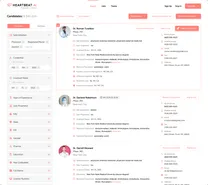
Heartbeat.ai’s platform lets you search licensed healthcare professionals across the United States, including chiropractors in Utah, and filter by specialty, location, and other criteria to build a targeted list in minutes.
Chiropractic practice covers more ground than most people expect. Beyond general spinal care, you’ll find practitioners focused on pediatrics, sports injuries, neurology, nutrition, orthopedics, occupational health, and radiology. Matching outreach to the right specialty matters, whether you’re recruiting for a multi-disciplinary clinic or marketing a product built for a specific patient population.
The platform is built to cut down the manual research typically required to compile these lists. A few filters narrow the pool to the right profiles, and from there you can export contact details directly into your outreach workflow. If a project needs a more customized pull, the Heartbeat team can help tailor a list to specific requirements.
Chiropractic Care Within Utah’s Healthcare System
Chiropractic care sits alongside larger institutional providers in Utah’s broader healthcare framework. Systems such as University of Utah Health and Intermountain Healthcare anchor much of the state’s clinical infrastructure and, in some cases, incorporate musculoskeletal and rehabilitative services that overlap with chiropractic practice.
Chiropractic physicians in Utah are licensed through the state’s Division of Occupational and Professional Licensing under Title 58, Chapter 73, which sets requirements around education, national board exams, and a state-specific law and rules exam. Licenses are renewed periodically, and practitioners must complete continuing education hours to maintain active status.
Exact counts of active chiropractors in the state change over time as licenses are issued, renewed, or lapse, so anyone building a list for recruitment or marketing purposes should treat headcount figures as directional rather than fixed, and verify current numbers against the licensing board when precision matters.
Why Accurate Contact Information Matters
Bad contact data creates friction at every stage of an outreach or hiring process.
For recruitment teams, an outdated email or a disconnected phone number means a lost candidate, a delayed hire, or a wasted follow-up call. Multiply that across dozens of chiropractor profiles, and the recruiting timeline stretches out considerably.
For marketing and sales teams, sending materials to inactive addresses hurts deliverability and skews campaign metrics, making it harder to judge whether a message actually landed with the right audience.
For networking and referral purposes, having a dependable way to reach practicing chiropractors supports collaboration between clinics, continuing education partners, and specialty referral networks.
Why Finding Chiropractors in Utah Can Be Difficult
A few recurring obstacles show up when compiling chiropractor contact data in Utah:
- Geographic spread. Utah’s mix of dense urban corridors and rural counties means chiropractor availability varies significantly by region, and directories built around zip codes alone can miss context about actual coverage gaps.
- Specialty fragmentation. A general listing rarely distinguishes between a sports-medicine chiropractor and one focused on pediatric care, which slows down targeted outreach.
- Data decay. Practices relocate, close, merge, or change staff, and public directories often lag behind those changes by months or longer.
- Inconsistent verification. Not every listing confirms whether a license is active, which matters if the goal is reaching a currently practicing provider rather than a former one.
A centralized, regularly refreshed database addresses most of these problems by consolidating specialty, location, and licensing details into one searchable record, rather than requiring manual cross-referencing across multiple sources.
What’s Included in Heartbeat’s Chiropractor Contact Lists
Heartbeat.ai’s contact lists for chiropractors are built to support both regional campaigns and broader national outreach. Each record is designed to include the details needed to reach a specific provider directly, along with enough context to prioritize outreach by specialty or experience level.
- Chiropractor name
- Location
- Contact numbers (work, cell, mobile)
- Email address
- Specialization
- Years of experience
- Sole proprietor status
- Licensed states
- License number
- Fax
- Address
Chiropractor Contact Lists by State
Browse chiropractor contact lists for other states below.
| Chiropractors by states |
|---|
| Chiropractors in Alabama |
| Chiropractors in Alaska |
| Chiropractors in Arizona |
| Chiropractors in Arkansas |
| Chiropractors in California |
| Chiropractors in Colorado |
| Chiropractors in Connecticut |
| Chiropractors in Delaware |
| Chiropractors in Florida |
| Chiropractors in Georgia |
| Chiropractors in Hawaii |
| Chiropractors in Idaho |
| Chiropractors in Illinois |
| Chiropractors in Indiana |
| Chiropractors in Iowa |
| Chiropractors in Kansas |
| Chiropractors in Kentucky |
| Chiropractors in Louisiana |
| Chiropractors in Maine |
| Chiropractors in Maryland |
| Chiropractors in Massachusetts |
| Chiropractors in Michigan |
| Chiropractors in Minnesota |
| Chiropractors in Mississippi |
| Chiropractors in Missouri |
| Chiropractors in Montana |
| Chiropractors in Nebraska |
| Chiropractors in Nevada |
| Chiropractors in New hampshire |
| Chiropractors in New jersey |
| Chiropractors in New mexico |
| Chiropractors in New york |
| Chiropractors in North carolina |
| Chiropractors in North dakota |
| Chiropractors in Ohio |
| Chiropractors in Oklahoma |
| Chiropractors in Oregon |
| Chiropractors in Pennsylvania |
| Chiropractors in Rhode island |
| Chiropractors in South carolina |
| Chiropractors in South dakota |
| Chiropractors in Tennessee |
| Chiropractors in Texas |
| Chiropractors in Utah |
| Chiropractors in Vermont |
| Chiropractors in Virginia |
| Chiropractors in Washington |
| Chiropractors in West virginia |
| Chiropractors in Wisconsin |
| Chiropractors in Wyoming |
How Heartbeat Compiles Chiropractor Contact Data
Heartbeat.ai pulls from a wide range of public, private, and official sources to build and refresh its healthcare provider records, aiming to reflect active, current professionals rather than static or stale listings. That includes standard fields like names, locations, and specialties, alongside direct dials, cell numbers, and personal emails.
Predictive modeling is used to help estimate and validate contact details before they’re surfaced in a list. As with any large-scale contact database, accuracy varies by field and record freshness, so it’s worth spot-checking a sample of records against known sources before launching a large campaign, especially for time-sensitive recruitment outreach.
Who Uses Chiropractor Contact Lists
A range of teams rely on chiropractor contact data for different reasons: marketing and sales teams promoting relevant products or services, recruiters filling clinical roles, research firms studying practice trends, and organizations coordinating continuing education or referral partnerships.
Whatever the use case, outreach should stay within applicable privacy and anti-spam regulations. That’s a baseline requirement, not optional, for any list-based communication in healthcare.
Getting More Out of a Chiropractor Contact List
A contact list is only as useful as the outreach strategy behind it. A few practical habits make a difference:
- Segment by specialty before sending anything. A pediatric-focused chiropractor and a sports-injury specialist respond to different messaging.
- Keep messages short and specific. Chiropractors, like most clinicians, have limited time between patients, so a clear ask lands better than a long pitch.
- Lead with something useful. Whether it’s a role, a partnership, or a resource, giving the recipient a reason to respond improves engagement more than volume ever will.
- Verify license status when it matters. For recruitment specifically, confirming a candidate’s license is active through Utah’s Division of Occupational and Professional Licensing avoids wasted time later in the hiring process.
Where This Leaves You
Utah’s chiropractic community is specialized and geographically spread out, which makes generic directories a weak starting point for serious outreach. A database built around verified, specialty-tagged contact records gives recruiters, marketers, and healthcare networking teams a more direct path to the right person, without the manual cross-checking that comes with piecing together public listings.
Frequently Asked Questions
What services do chiropractors in Utah offer?
Chiropractors in Utah typically offer spinal adjustments, physical therapy referrals, massage therapy, and rehabilitation exercises, with some practices specializing further in sports injuries, pediatrics, or occupational health.
How much does a chiropractic session cost in Utah?
Costs vary by clinic, treatment type, and whether insurance applies. Contacting individual practices directly is the most reliable way to get current pricing.
Are chiropractors in Utah licensed and regulated?
Yes. Chiropractic physicians in Utah are licensed through the state’s Division of Occupational and Professional Licensing under Title 58, Chapter 73, which requires completion of an accredited chiropractic degree, national board exams, and a state law and rules exam.
Are chiropractic treatments covered by insurance in Utah?
Coverage depends on the specific insurance plan. Patients and referring providers should confirm details directly with the insurer before scheduling treatment.