What’s on this page:
Key takeaways
- A contact list for child psychiatric nurses should be evaluated for specialty, location, license information, and current contact details.
- Contact records can become outdated when clinicians change employers, credentials, or states.
- Ask data vendors how they verify records, measure accuracy, and handle information inferred through predictive modeling.
- Spot-check records and verify current licensure with the appropriate Minnesota licensing authority when required.
- Check privacy and communication requirements before using a list for outreach.
Last updated: August 30, 2026
Recruiters, marketers, and healthcare organizations looking to reach child psychiatric nurses in Minnesota may find that professional directories become outdated and general job boards do not segment results by specialty or location. This guide explains what to look for in a contact list, challenges in sourcing for this role, and how Heartbeat.ai describes its data platform.
Get a Contact List of Child Psychiatric Nurses in Minnesota from Heartbeat
Heartbeat.ai says its platform lets users filter healthcare professional records by specialty, state, and other criteria, then export contact details. Verify the platform’s current features and the accuracy of specific records before relying on them.
The term "child psychiatric nurse" can encompass related roles, including pediatric mental health nurses and adolescent psychiatric nurses. These clinicians work with children and teens who have mental health or developmental conditions, which may include anxiety, depression, ADHD, or autism spectrum disorder.
Whether you’re staffing a facility, promoting a clinical product, or organizing outreach, a segmented list may reduce the time spent cross-referencing state licensing boards and hospital directories.
Minnesota’s Child Psychiatric Care Landscape
Minnesota has institutions involved in pediatric mental health care, including academic medical centers with children’s programs. The specific services and staffing needs vary by organization and location.
Access to specialized mental health resources can vary across Minnesota, including between rural areas and the Twin Cities metro area. For recruitment outside a single metro area, consider whether relocation or telehealth options are relevant to the role.
Why Accurate Contact Information Matters Here
Outdated or incomplete contact data creates real friction in three common scenarios:
- Recruitment: Recruiters need working phone numbers and emails to move candidates through interviews without delays caused by bounced messages or disconnected lines.
- Professional networking: Nurses looking to collaborate, mentor, or share clinical resources need reliable ways to reach peers across facilities.
- Vendor and product outreach: Companies marketing tools, training, or services to this specialty need to reach the right license type, not just anyone with “nurse” in a job title.
A list built from a single outdated source may underperform. Healthcare professionals’ contact information can change when they switch employers, add credentials, or move between states, so records should be periodically refreshed and checked.
Why Finding Child Psychiatric Nurses in Minnesota Is Difficult
A few factors make this specialty harder to source for than general nursing roles:
- Specialized demand: Growing recognition of pediatric mental health needs has increased demand for these nurses faster than the supply of qualified candidates in some regions.
- Rural coverage gaps: Facilities outside the metro area often have fewer applicants and fewer resources to run a full search process.
- Fragmented directories: State licensing boards, hospital staff pages, and professional associations each hold partial information, and none of them are built for bulk outreach.
- Manual sourcing is slow: Building a list by hand from LinkedIn searches or hospital directories takes far longer than using a centralized, filterable database.
A centralized database with filters for specialty, geography, experience, and license status may give hiring teams and marketers a repeatable alternative to one-off manual searches. Confirm which filters are available and how the data is verified.
What’s Included in a Heartbeat Child Psychiatric Nurse Contact List
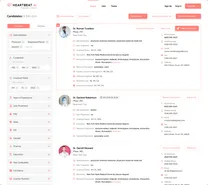
Heartbeat.ai says it compiles contact and professional details into an exportable format. The company describes a typical record as including:
- Child psychiatric nurse name
- Location
- Contact numbers (work, cell, mobile)
- Email address
- Specialization
- Years of experience
- Sole proprietor status
- Licensed states
- License number
- Fax
- Address
Child Psychiatric Nurses by State
Browse contact lists for child psychiatric nurses in other states below.
| Child psychiatric nurse by states |
|---|
| Child psychiatric nurse in Alabama |
| Child psychiatric nurse in Alaska |
| Child psychiatric nurse in Arizona |
| Child psychiatric nurse in Arkansas |
| Child psychiatric nurse in California |
| Child psychiatric nurse in Colorado |
| Child psychiatric nurse in Connecticut |
| Child psychiatric nurse in Delaware |
| Child psychiatric nurse in Florida |
| Child psychiatric nurse in Georgia |
| Child psychiatric nurse in Hawaii |
| Child psychiatric nurse in Idaho |
| Child psychiatric nurse in Illinois |
| Child psychiatric nurse in Indiana |
| Child psychiatric nurse in Iowa |
| Child psychiatric nurse in Kansas |
| Child psychiatric nurse in Kentucky |
| Child psychiatric nurse in Louisiana |
| Child psychiatric nurse in Maine |
| Child psychiatric nurse in Maryland |
| Child psychiatric nurse in Massachusetts |
| Child psychiatric nurse in Michigan |
| Child psychiatric nurse in Minnesota |
| Child psychiatric nurse in Mississippi |
| Child psychiatric nurse in Missouri |
| Child psychiatric nurse in Montana |
| Child psychiatric nurse in Nebraska |
| Child psychiatric nurse in Nevada |
| Child psychiatric nurse in New hampshire |
| Child psychiatric nurse in New jersey |
| Child psychiatric nurse in New mexico |
| Child psychiatric nurse in New york |
| Child psychiatric nurse in North carolina |
| Child psychiatric nurse in North dakota |
| Child psychiatric nurse in Ohio |
| Child psychiatric nurse in Oklahoma |
| Child psychiatric nurse in Oregon |
| Child psychiatric nurse in Pennsylvania |
| Child psychiatric nurse in Rhode island |
| Child psychiatric nurse in South carolina |
| Child psychiatric nurse in South dakota |
| Child psychiatric nurse in Tennessee |
| Child psychiatric nurse in Texas |
| Child psychiatric nurse in Utah |
| Child psychiatric nurse in Vermont |
| Child psychiatric nurse in Virginia |
| Child psychiatric nurse in Washington |
| Child psychiatric nurse in West virginia |
| Child psychiatric nurse in Wisconsin |
| Child psychiatric nurse in Wyoming |
How This Data Gets Compiled
Heartbeat.ai says it uses official, private, and public sources to build and refresh U.S. healthcare provider contact records, including cell phone numbers and personal email addresses. The company also says it uses predictive modeling to fill gaps in public records. Ask the vendor how it defines and measures verification and accuracy, and how it handles inferred information, before relying on these records.
Quick Evaluation Checklist for Any Provider Data Source
- Does it separate work numbers from personal cell numbers?
- Does it show a specialty or license type, not just “nurse”?
- Can you filter by state and, ideally, by region within a state?
- Does the vendor disclose accuracy rates rather than just total record counts?
- Is there a way to refresh or re-verify records over time?
Who Uses a List Like This
Potential users of segmented provider contact data include healthcare recruiters and staffing agencies, marketing teams promoting clinical products or continuing education, nonprofits running mental health initiatives, and researchers conducting outreach. Independent agents and small practices may also use such data for prospecting.
Use of provider contact lists must comply with applicable privacy and communication laws, including rules governing unsolicited outreach. Check the requirements for your intended use with qualified legal counsel; a vendor’s data does not by itself establish that a particular outreach campaign is compliant.
Using the List Effectively
A few practices make outreach to this audience more productive:
- Segment by role — a pediatric mental health nurse and an adolescent psychiatric nurse may have different day-to-day priorities even within the same broader specialty.
- Keep messages short, specific, and clearly relevant to their clinical focus.
- Respect time constraints; these are working clinicians, not full-time job seekers.
- Always get consent before adding someone to an ongoing campaign.
- Track bounce and response rates so you can flag records that need re-verification.
Limitations to Keep in Mind
No contact database is perfect. Licensing status, employer, and contact details can change between data refreshes, so spot-check a sample before a large campaign. Contact data is not a substitute for verifying current licensure directly with the appropriate Minnesota licensing authority when needed for credentialing or compliance.
Frequently Asked Questions
What does a child psychiatric nurse do?
A child psychiatric nurse provides care and support for children and adolescents dealing with mental health disorders, working alongside physicians and other clinicians on assessment and ongoing care.
What qualifications are typically involved in this role in Minnesota?
Most paths start with RN licensure through a nursing degree and passing the NCLEX-RN exam. Nurses who want to specialize further in psychiatric-mental health care can pursue additional board certification in that area; requirements vary depending on whether the role is an RN or an advanced practice position such as a psychiatric-mental health nurse practitioner.
Where can I find child psychiatric nursing jobs in Minnesota?
Openings typically appear through hospital systems, psychiatric facilities, residential treatment centers, and outpatient clinics, as well as general job boards and healthcare staffing agencies.
What conditions do child psychiatric nurses commonly work with?
Common conditions include ADHD, depression, anxiety disorders, autism spectrum disorder, and conduct disorder, among other mental health and developmental concerns affecting children and teens.